CN
Quanzhou
Quanzhou Travel Guide: Things to Do, Itinerary and Tips (2026)
Approximate reading time: 8 minutes.
Quanzhou rewards travelers who slow down. The historic center is not a sealed monument district. Incense drifts from working temples, snack shops fill old arcades, and traces of medieval maritime trade appear in Buddhist, Islamic, Confucian and folk-religious sites within the same urban fabric.
UNESCO inscribed Quanzhou: Emporium of the World in Song-Yuan China on the World Heritage List in 2021. Its 22 component sites document the institutions, religious communities, workshops, bridges, docks and navigation landmarks that supported a major Asian trading port from the 10th to the 14th centuries. Arabic and Western records knew the port as Zayton.
Two days give first-time visitors a useful introduction. Spend the first in the old city, then use the second for Luoyang Bridge and a traditional performance or another heritage site outside the central walking circuit. Add a third day if you want to explore the wider municipality, which includes coastal communities, kiln sites and mountain areas.
Why is Quanzhou worth visiting?
Quanzhou makes the history of maritime China tangible. Its World Heritage designation applies to a network rather than one palace or archaeological park. Religious buildings show how merchants and communities from different regions settled in the port. Production sites represent the ceramics and iron that moved through its trading system. Bridges, docks and pagodas explain how goods traveled between the hinterland, city and sea.
The old city is the easiest place to begin. An official walking route links Kaiyuan Temple, West Street, the Bell Tower, the Confucius Temple, Qingjing Mosque, Tianhou Temple, the Deji Gate site and the remains of Shunji Bridge. This sequence is useful even if you do not enter every compound: it reveals how commercial streets, places of worship and former transport infrastructure occupied the same city.
Quanzhou also has living performance traditions. Nanyin, inscribed by UNESCO on the Representative List of the Intangible Cultural Heritage of Humanity in 2009, combines instrumental music, voice and ballads sung in the Quanzhou dialect. Puppet theater and local opera provide other entry points into Minnan culture. Performance calendars change, so check the current cultural-center or theater program after arriving.
What should you see in Quanzhou Old City?
Kaiyuan Temple and West Street
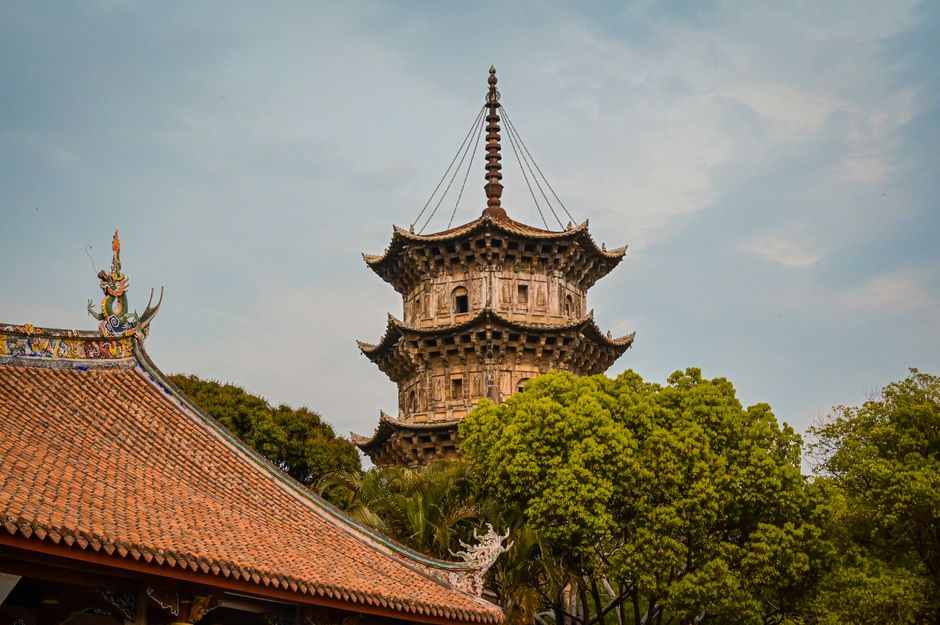
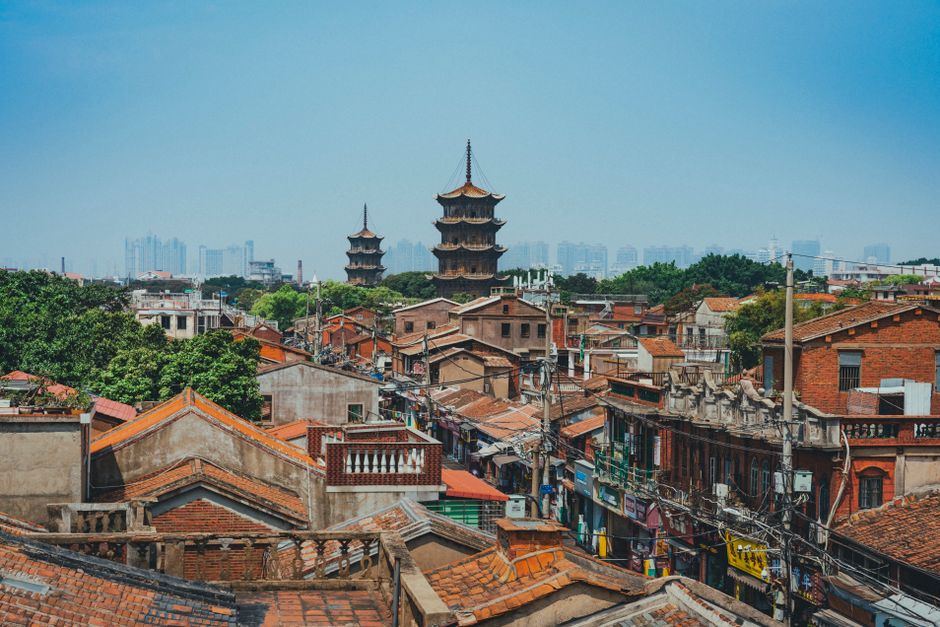
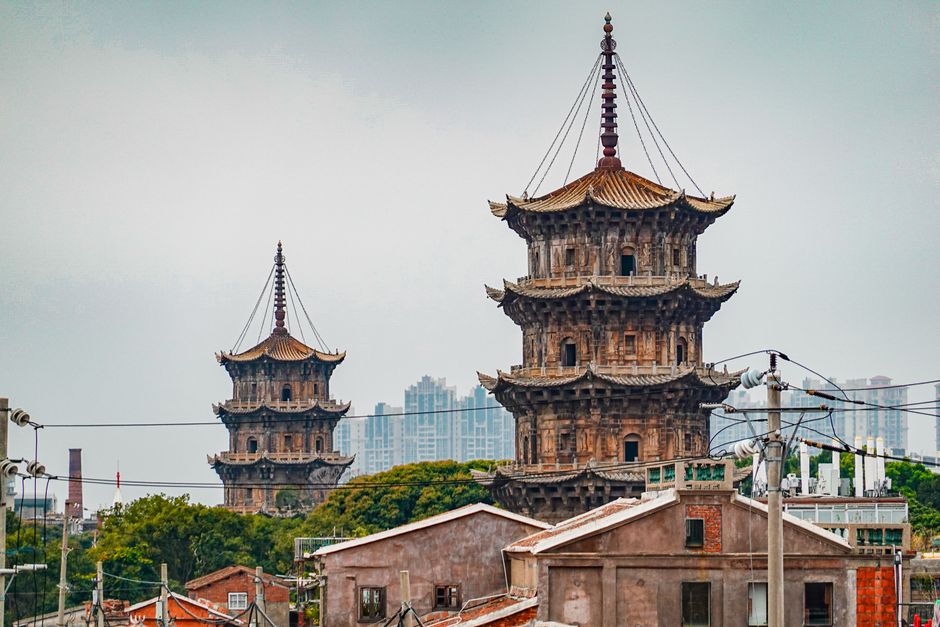
Start at Kaiyuan Temple before continuing along West Street. The temple was founded in 686, and the official heritage account identifies it as Fujian’s largest surviving Buddhist temple complex. Its present layout developed over several dynasties, while the East and West Pagodas form Quanzhou’s best-known skyline.
Treat the compound as a religious site, not only a photography stop. Keep voices low in worship areas, avoid blocking doorways and follow posted restrictions on photography or incense. West Street outside is better for browsing snacks and small shops, although its busiest sections can become crowded during weekends and national holidays.
Confucius Temple, Qingjing Mosque and Tumen Street
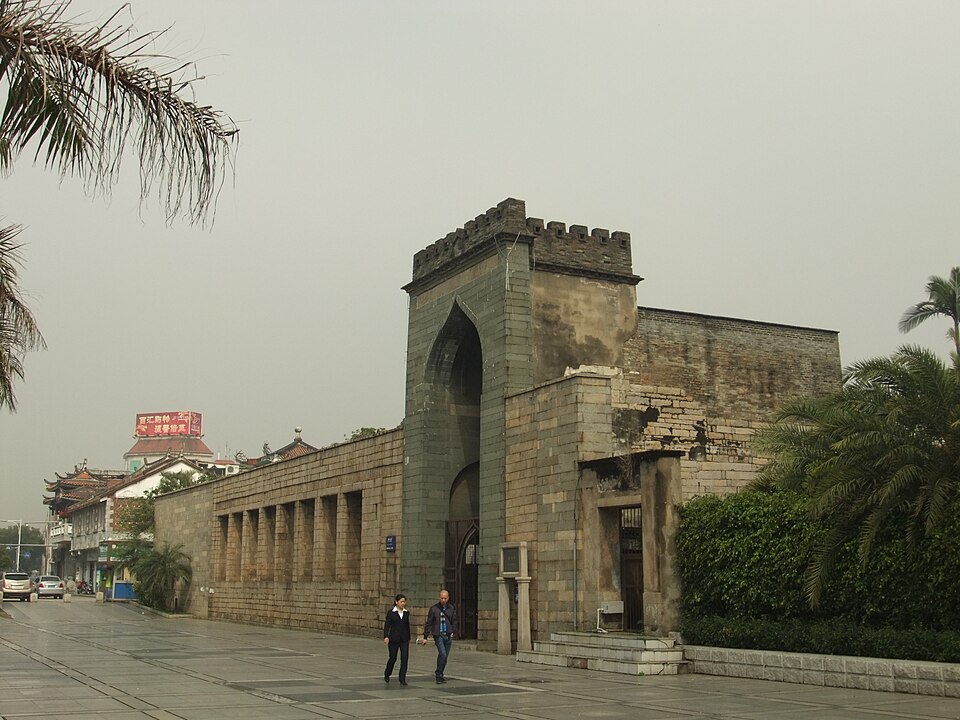
Continue toward the Confucius Temple and Qingjing Mosque. Founded in 1009 and originally named Masjid al-Ashab, Qingjing Mosque preserves Islamic architectural elements and inscriptions connected with Quanzhou’s overseas communities. Some areas remain religious spaces. Wear clothing that covers shoulders and knees, observe signs and do not interrupt prayer.
Tumen Street also places Islamic heritage close to Chinese temples and everyday commerce. The value of this walk lies in those short distances. Rather than treating each building as an isolated attraction, look for evidence of the communities that lived around the medieval port.
Tianhou Temple, Deji Gate and Shunji Bridge site
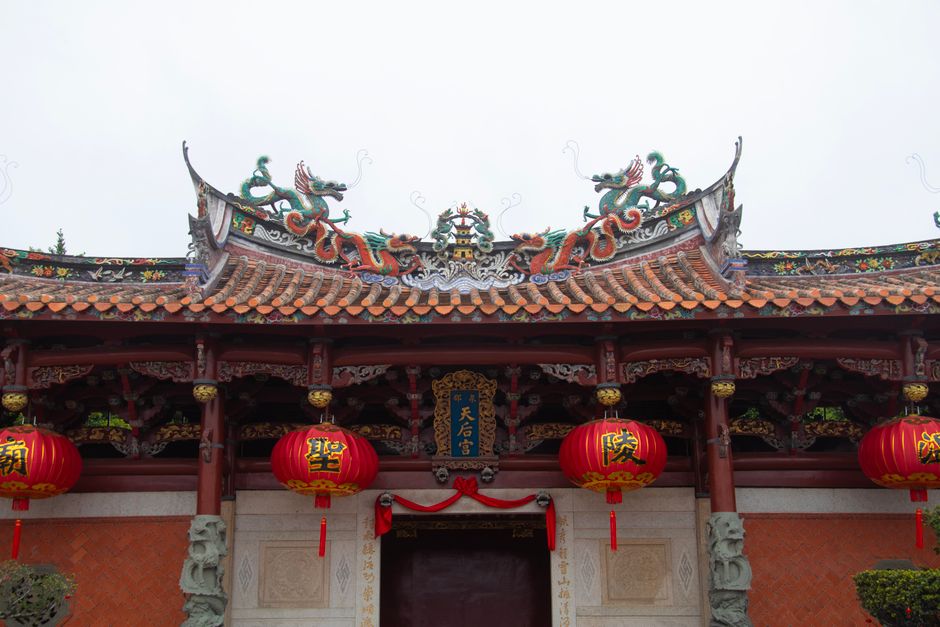
Finish the southbound route around Tianhou Temple and the Deji Gate archaeological site. Tianhou Temple represents the worship of Mazu, a protective maritime deity closely connected with sailors and coastal communities. Nearby remains of the city gate and bridge help explain how traffic once entered the commercial quarter.
These are protected heritage places with different operating arrangements. Check posted hours and any reservation notices on the day of your visit. Do not rely on an old blog for admission rules, especially during public holidays or conservation work.
How can you plan a two-day Quanzhou itinerary?
| Day | Suggested route | Main focus |
|---|---|---|
| 1 | Kaiyuan Temple, West Street, Bell Tower, Confucius Temple, Qingjing Mosque, Tianhou Temple and Deji Gate | Old-city streets, religious diversity and food |
| 2 | Luoyang Bridge, followed by a Nanyin, puppet or local-opera program | Maritime transport engineering and living traditions |
On day one, begin early enough to experience Kaiyuan Temple before the central streets fill. Walk east through West Street and use the Bell Tower as a visual reference. Continue south toward the Confucius Temple and Qingjing Mosque, stopping for lunch between visits. End around Tianhou Temple and Deji Gate. The complete route involves repeated stops, so allow room for tea, food and unplanned temple visits instead of turning it into a race.
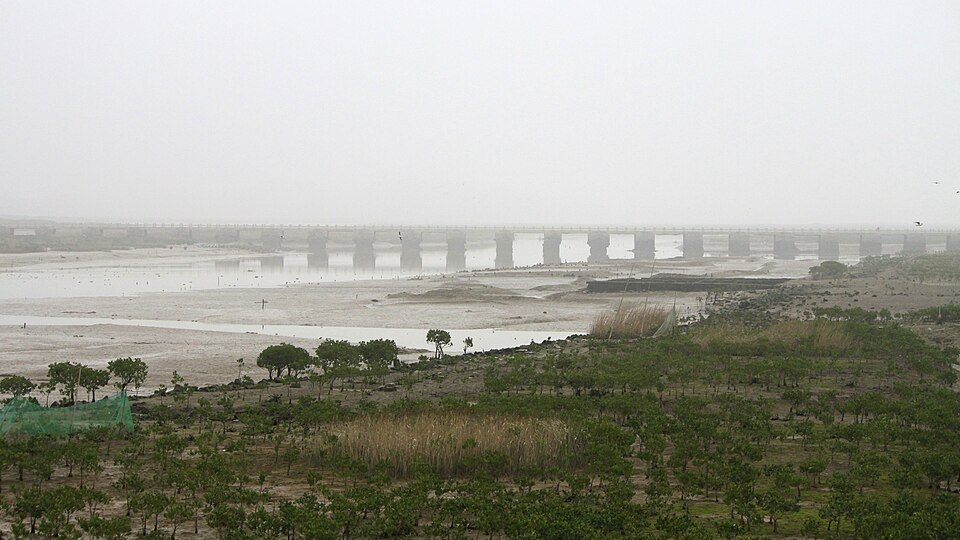
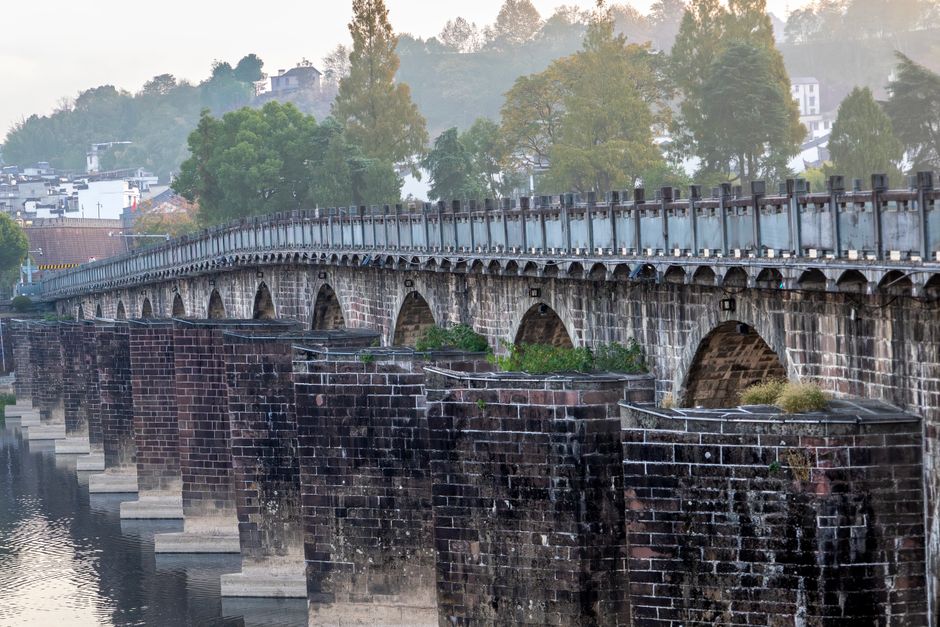
On day two, travel to Luoyang Bridge, northeast of the old city. Construction began in 1053 and ended in 1059. The surviving stone bridge extends for about 731 meters across the Luoyang River estuary and is one of the World Heritage components representing Quanzhou’s transport network. Its granite beams, piers and river setting are easier to understand when the tide and weather permit an unhurried walk.
Return to the center for a cultural program. Nanyin is the strongest choice if a performance is available, but puppet theater or a local opera can work just as well. Ask your accommodation to write the venue name in Chinese and confirm the starting time before leaving.
Travelers with a third day can spend more time in the old city or choose another component from Quanzhou’s World Heritage network. Distances across the municipality can make a multi-stop day impractical, so check locations and return transport before setting out.
What food should you try in Quanzhou?
Quanzhou’s food is an essential part of the trip, not an evening afterthought. The municipal gastronomy guide repeatedly features ginger duck, mianxianhu, oyster omelets, vinegar pork, taro cakes, sticky-rice dumplings and sweet four-fruit soup.
Mianxianhu is a thick, savory noodle breakfast that may be customized with seafood, meat or offal. Ask what each topping is before ordering if you have allergies or dietary restrictions. Ginger duck arrives aromatic and rich from aged ginger and sesame oil. Oyster omelets combine oysters with egg and a starch-based batter, producing a texture that is softer and chewier than a plain omelet. Four-fruit soup offers a lighter finish in warm weather, although ingredients vary by shop.
Order several small portions when eating with companions. This gives you room to compare savory snacks, soups and sweets without committing to one large meal. Carry the Chinese names of any ingredients you cannot eat. Vegetarian travelers should confirm that broth, lard, dried seafood and oyster sauce are absent rather than relying only on the visible ingredients.
When is the best time to visit Quanzhou?
Quanzhou has a subtropical marine monsoon climate. Fujian’s climate is marked by long warm periods, distinct wet and dry phases and exposure to heavy rain, coastal wind and typhoon-related disruption. For walking-focused trips, spring and autumn are sensible starting points, but conditions vary from year to year.
Summer calls for sun protection, drinking water and a flexible indoor option during the hottest or wettest part of the day. In any season, check the local forecast shortly before traveling. Weather warnings matter if your plan includes bridges, docks, coastal sites or long road transfers. During a typhoon alert, follow transport and venue announcements instead of trying to preserve the original itinerary.
National holidays bring additional visitors and special cultural activities. They can be lively times to visit, but accommodation and transport require earlier planning. A weekday outside a holiday period is better for travelers who value quieter temple courtyards and easier photography.
How do you get to and around Quanzhou?
If you arrive by train, check the complete station name on your booking and compare the onward road transfer with the location of your accommodation. Do not assume that every station shown in a search result is equally convenient for the old city.
Quanzhou Jinjiang International Airport is another entry point. The Fujian provincial government reports ground links from the airport plaza to central Quanzhou, Jinjiang Railway Station and other cities in the province. Routes and departure times can change, so confirm the current service at the airport information desk rather than building a tight connection around an old timetable.
Inside the historic center, walking is the most informative way to connect the main sites. Use a taxi or ride-hailing service for Luoyang Bridge and other outlying components. Save destination names and addresses in Chinese before leaving Wi-Fi. A screenshot of your accommodation’s Chinese address is useful when returning at night.
Where should you stay?
Choose the old city or its edge if your priority is heritage, food and evening walks. This reduces repeated transfers and lets you revisit West Street after day-trip crowds thin. A room outside the busiest pedestrian sections may offer a quieter night.
A hotel closer to a railway station can make sense for a late arrival or early departure, but it is less convenient for spontaneous old-city walks. Before booking, check the driving route rather than judging distance from the map alone. Quanzhou’s heritage components spread well beyond the center.
Quanzhou travel questions
Is one day enough for Quanzhou?
One day can cover the core old-city route, but two days are more comfortable. The extra day creates space for Luoyang Bridge and a performance without compressing every temple and meal into a single walk.
Do I need a guide?
A guide is not essential for the central route, but interpretation adds value because many remains make sense as parts of a trading system. If traveling independently, read the UNESCO overview first and use the official heritage descriptions at individual sites.
Are opening hours and tickets the same throughout the year?
No single rule covers all 22 component sites. They include religious compounds, archaeological remains, bridges and production sites managed in different ways. Confirm official notices for your dates and respect temporary closures.
Is Quanzhou suitable for travelers who do not speak Chinese?
Yes, with preparation. Save Chinese place names, your hotel address and dietary notes on your phone. Translation software helps with menus and transport, while official English heritage pages provide useful background before the trip.
Quanzhou works best when you follow the old port’s connections: temple to market, gate to bridge, workshop to sea. Build the first day around the historic center, reserve the second for one outlying heritage site and a performance, and leave enough time to eat without rushing.
Highlights
- Follow an official old-city route from Kaiyuan Temple and West Street to Qingjing Mosque, Tianhou Temple and Deji Gate.
- See how Quanzhou’s 22 World Heritage components connect religion, production, transport and maritime trade.
- Walk across the Song-era Luoyang Bridge, a key surviving part of the historic transport network.
- Hear Nanyin, a Minnan musical tradition inscribed by UNESCO in 2009, if a performance is scheduled.
- Try ginger duck, mianxianhu, oyster omelets, vinegar pork and four-fruit soup.
- Use two days for the old city, Luoyang Bridge and one traditional performance without rushing.
Travel Tips
Check the complete station name
Check the station shown on your ticket and compare its onward road transfer with your accommodation before booking.
Carry destinations in Chinese
Save your hotel, heritage sites and dietary restrictions in Chinese so drivers and restaurant staff can assist quickly.
Respect working religious sites
Dress modestly, keep voices low and follow local photography rules at temples and Qingjing Mosque.
Verify same-day notices
Opening arrangements, performances and transport can change. Use current official notices, especially during holidays or severe weather.