China
Beijing
Beijing has been China's political and cultural capital for more than 700 years, first under the Ming and Qing emperors and now as a fast-moving megacity of more than 21 million people. The old imperial city still shapes how the modern one reads: a 7.8 km line of gates, halls and towers called the Beijing Central Axis runs straight through the center, from the Bell and Drum Towers in the north to Yongdingmen Gate in the south, threading past the Forbidden City and Tiananmen Square on the way. UNESCO added the axis to the World Heritage List in 2024, on top of the Beijing sites it had already listed. Spend a single day here and you can stand in an imperial throne hall, walk a wild stretch of the Great Wall, and ride a driverless subway line back into a skyline of glass towers. For most first-time visitors to China, Beijing is the natural place to start, and our 4-day Beijing itinerary lays out one way to sequence it.
Palaces, temples and the wall
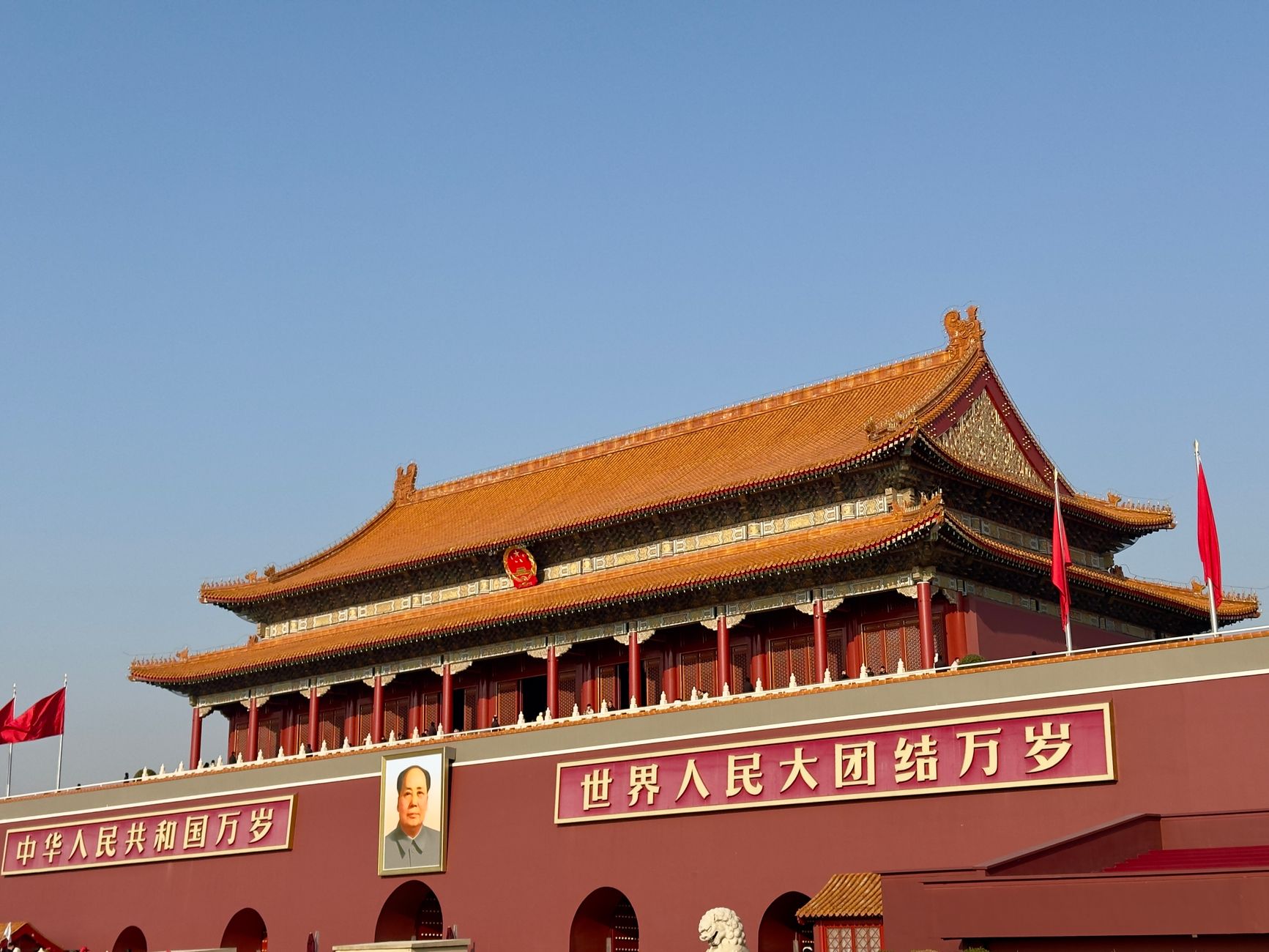
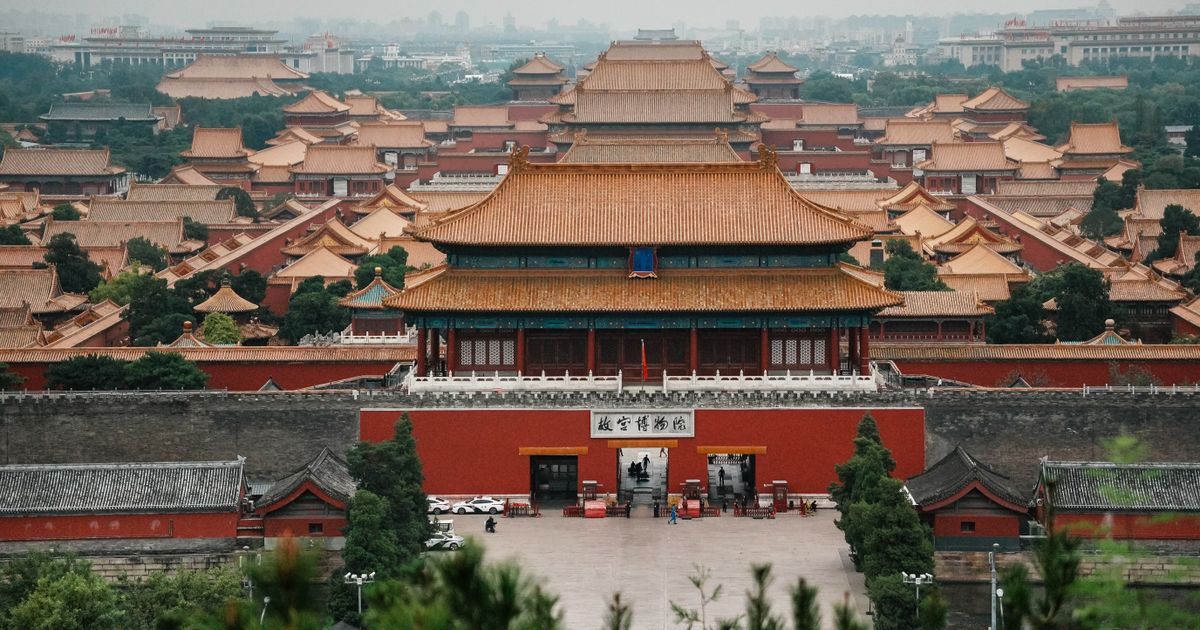
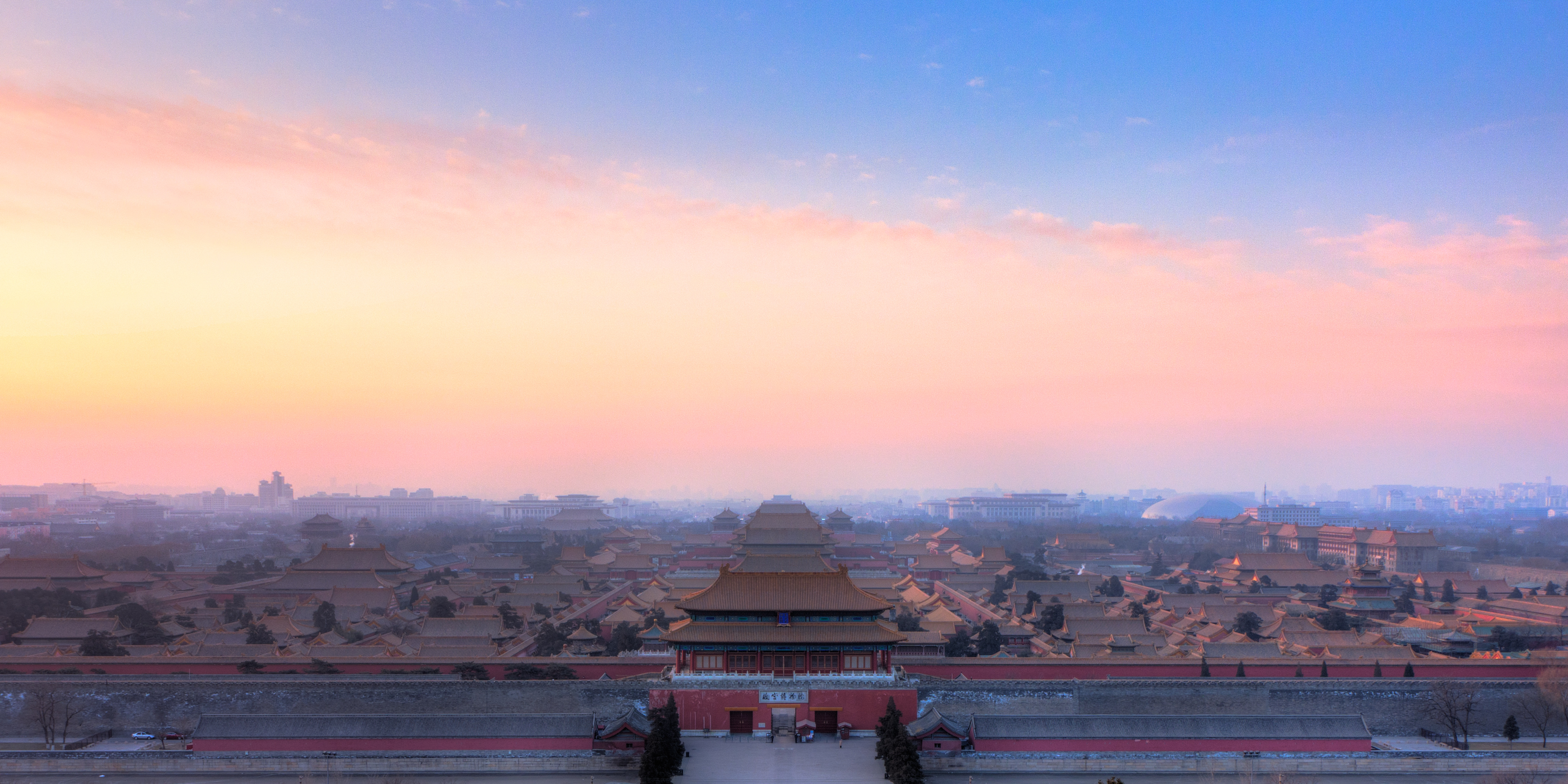
The Forbidden City (Palace Museum), the world's largest surviving palace complex with roughly 980 buildings inside its moat and crimson walls, is the anchor of any visit. There's essentially no walk-up ticket window anymore: booking is online only, tied to your passport, and new dates typically open about a week ahead, so lock one in as soon as your trip is confirmed. The museum closes on Mondays, public holidays aside. Jingshan Park, just north of the palace, gives the classic hilltop view over its golden roofs and is the spot for the postcard sunset shot.
Sunset over the Forbidden City seen from Jingshan Park's Coal Hill, Beijing
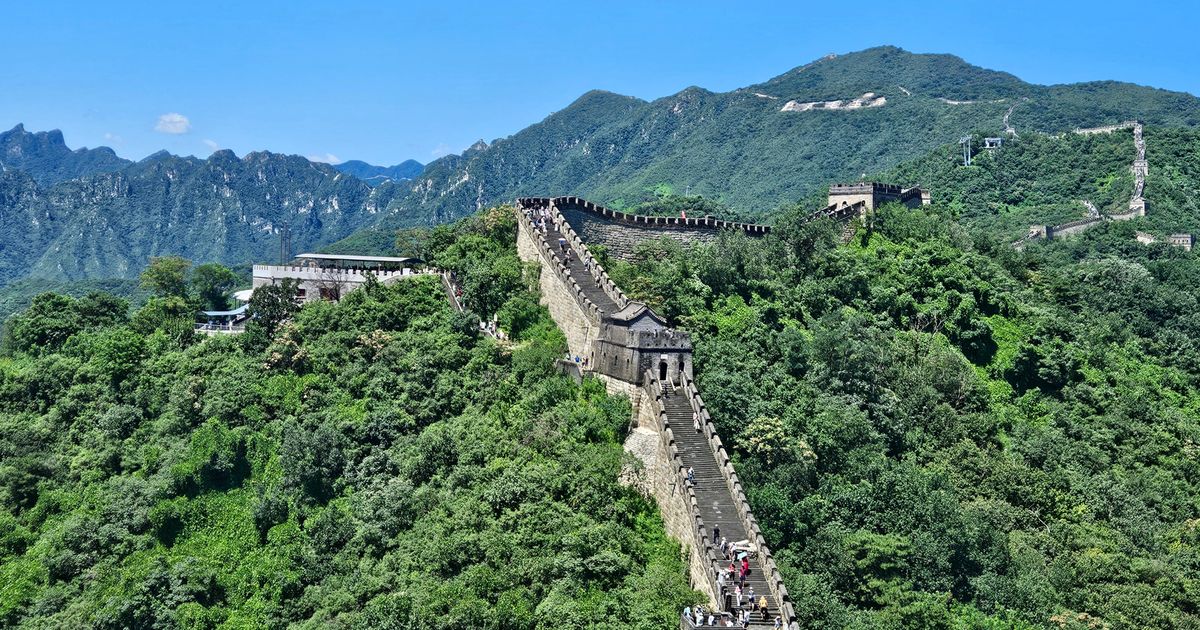
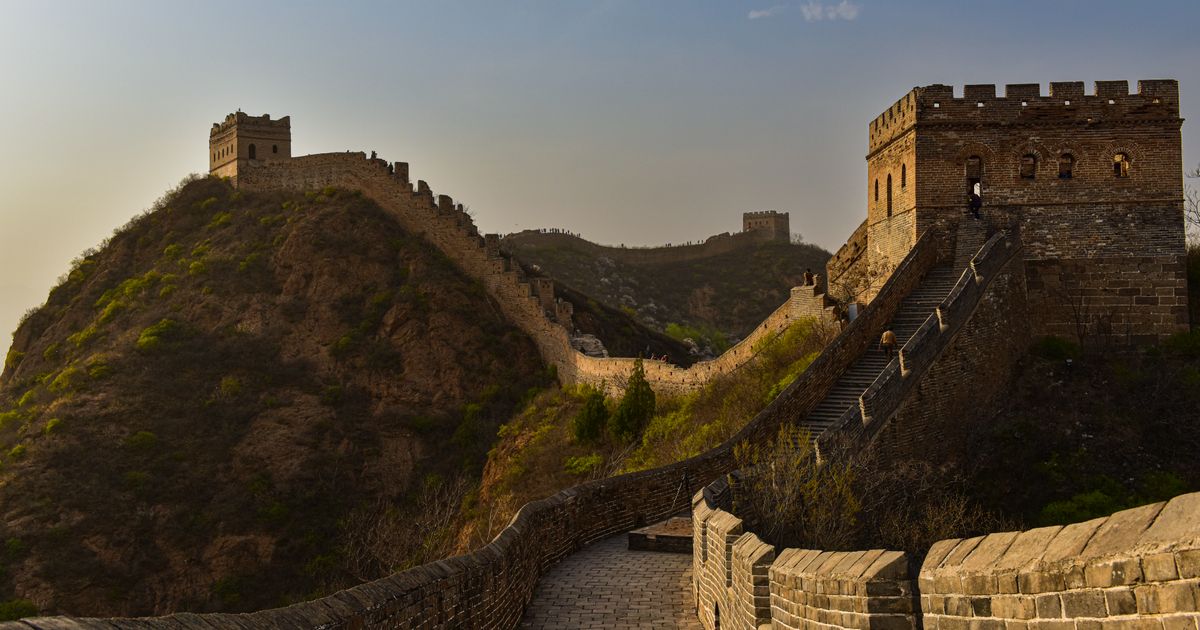
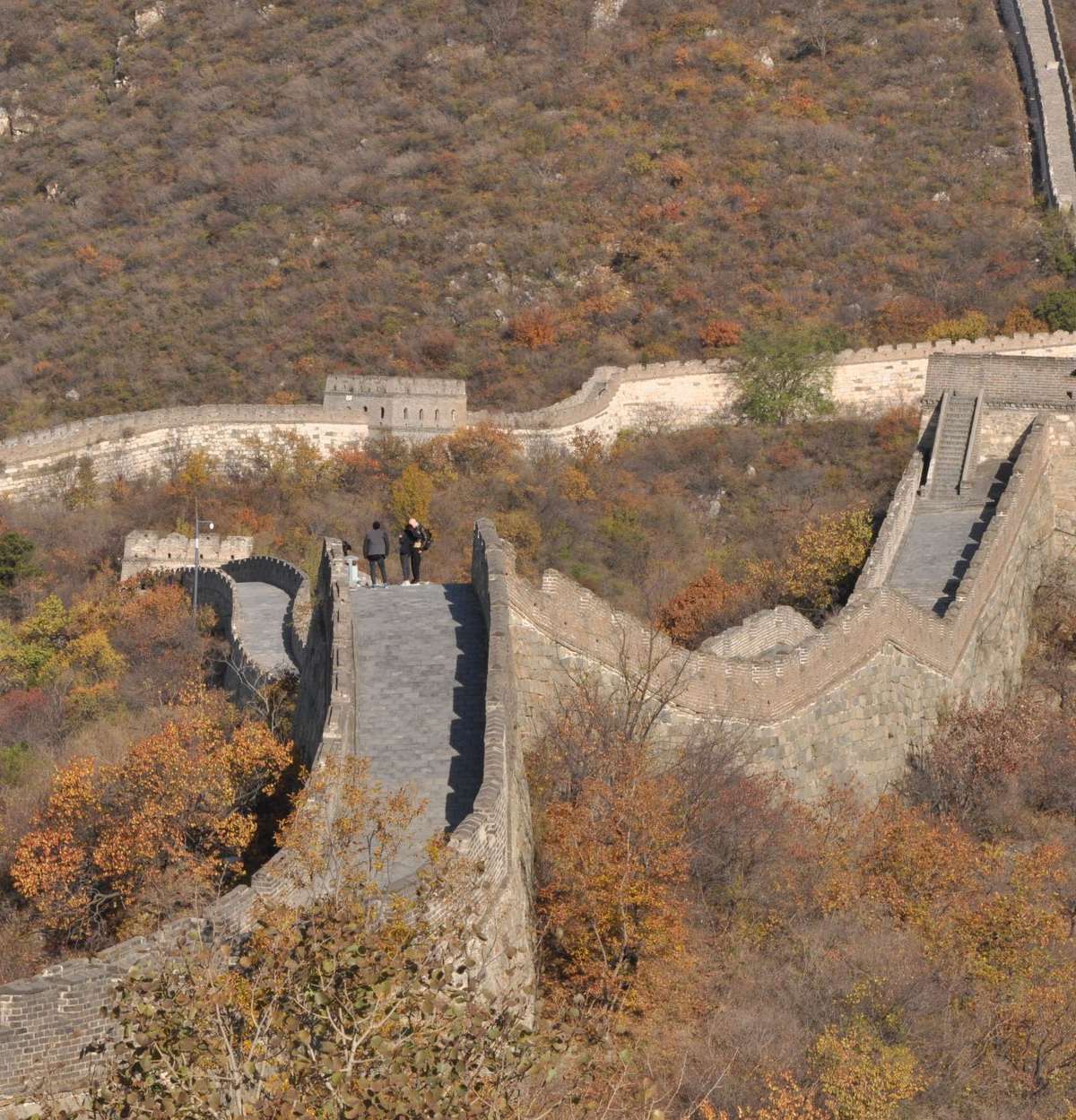
The Great Wall is the unmissable day trip. The restored Mutianyu section, about 70 km northeast with a cable car and a toboggan run down, is greener and far less crowded than Badaling, the section closest to public transport about 75 km northwest. Either way, go early: tour buses fill both by mid-morning.
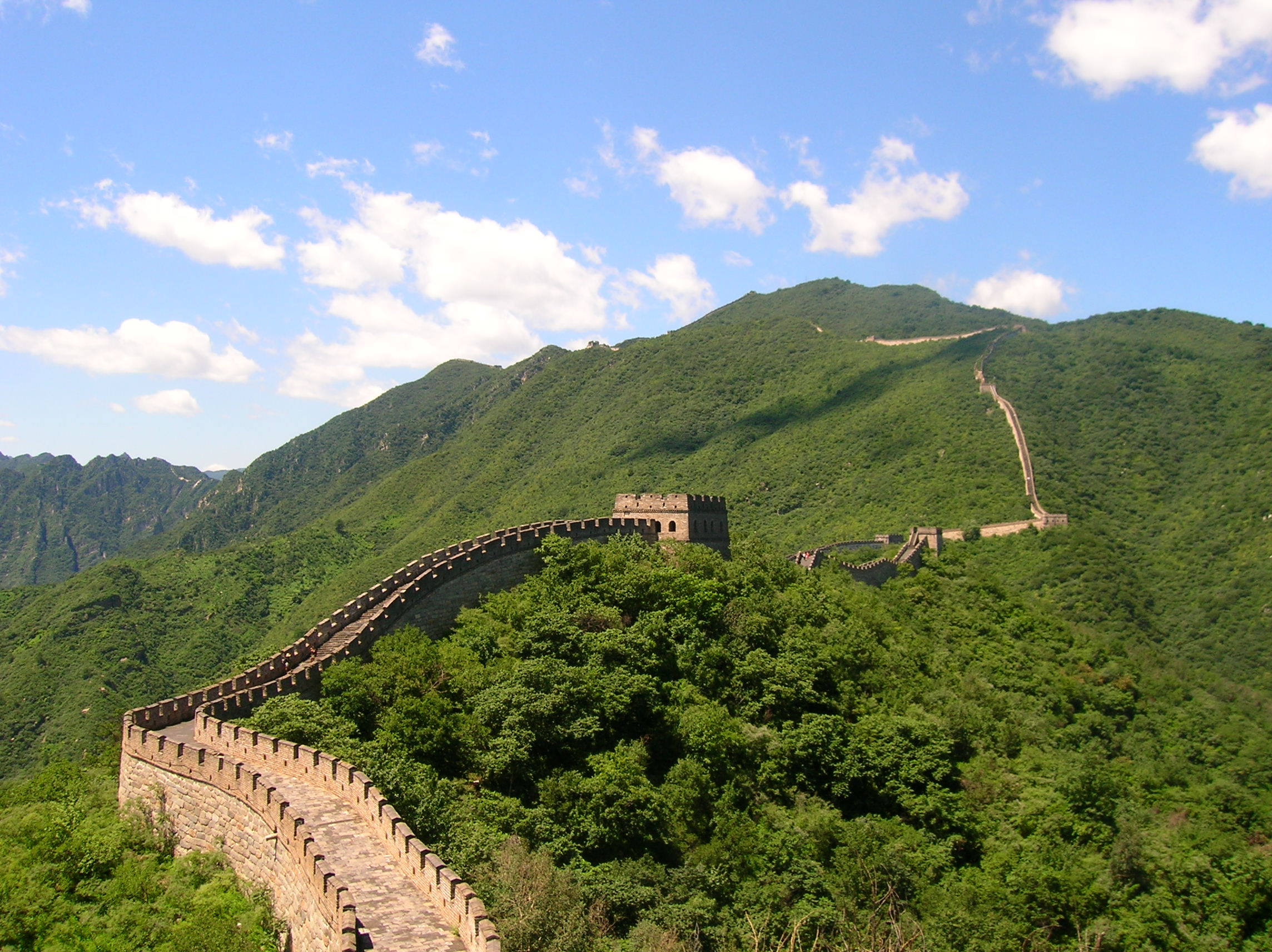
The restored Mutianyu section of the Great Wall winding over forested ridges near Beijing
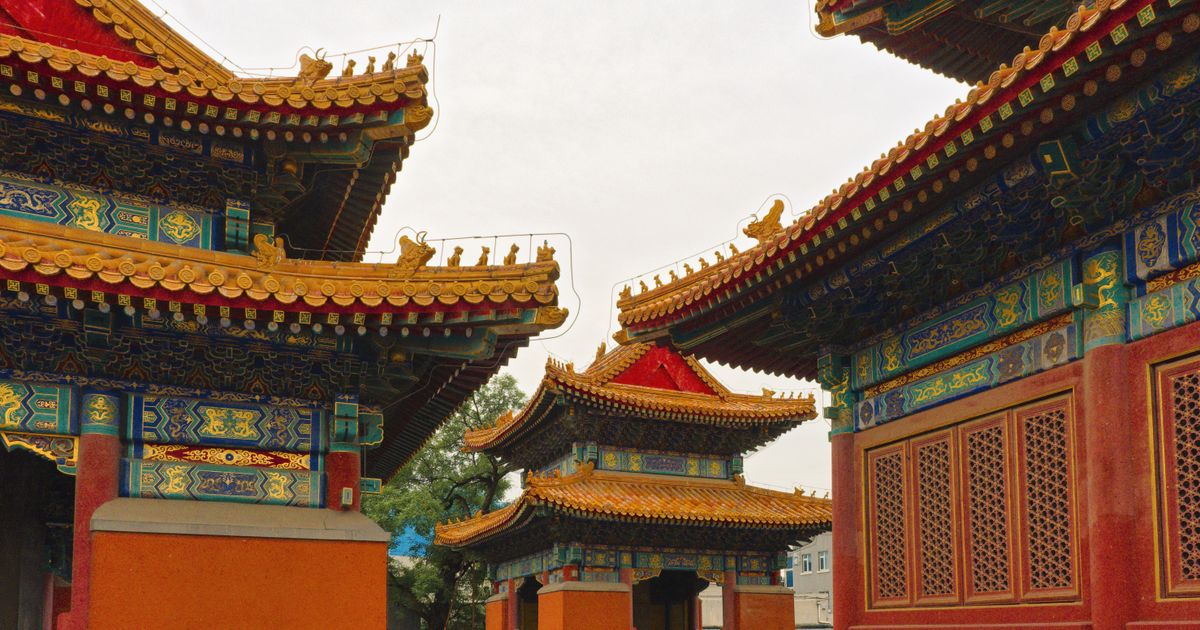
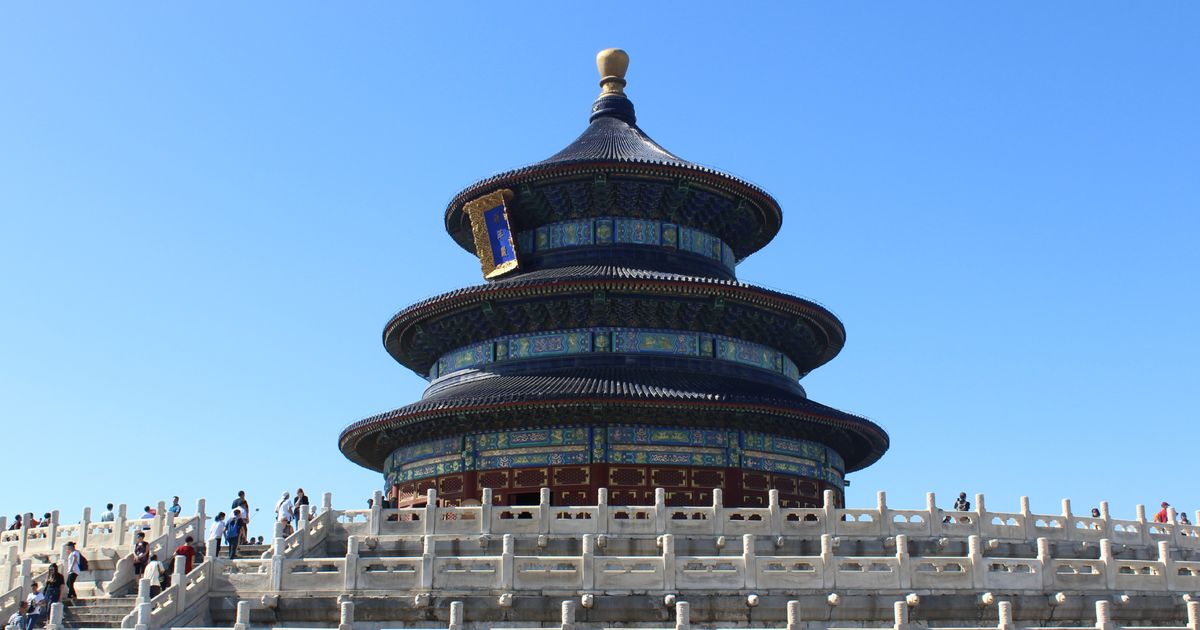
The triple-eaved Temple of Heaven, where emperors once prayed for good harvests, sits inside a park large enough that locals fill it every morning with tai chi and ballroom dancing. The lakeside Summer Palace and its painted Long Corridor make a relaxed half-day, and Tiananmen Square, one of the largest public squares anywhere, anchors the southern half of the Central Axis.
Where to base yourself
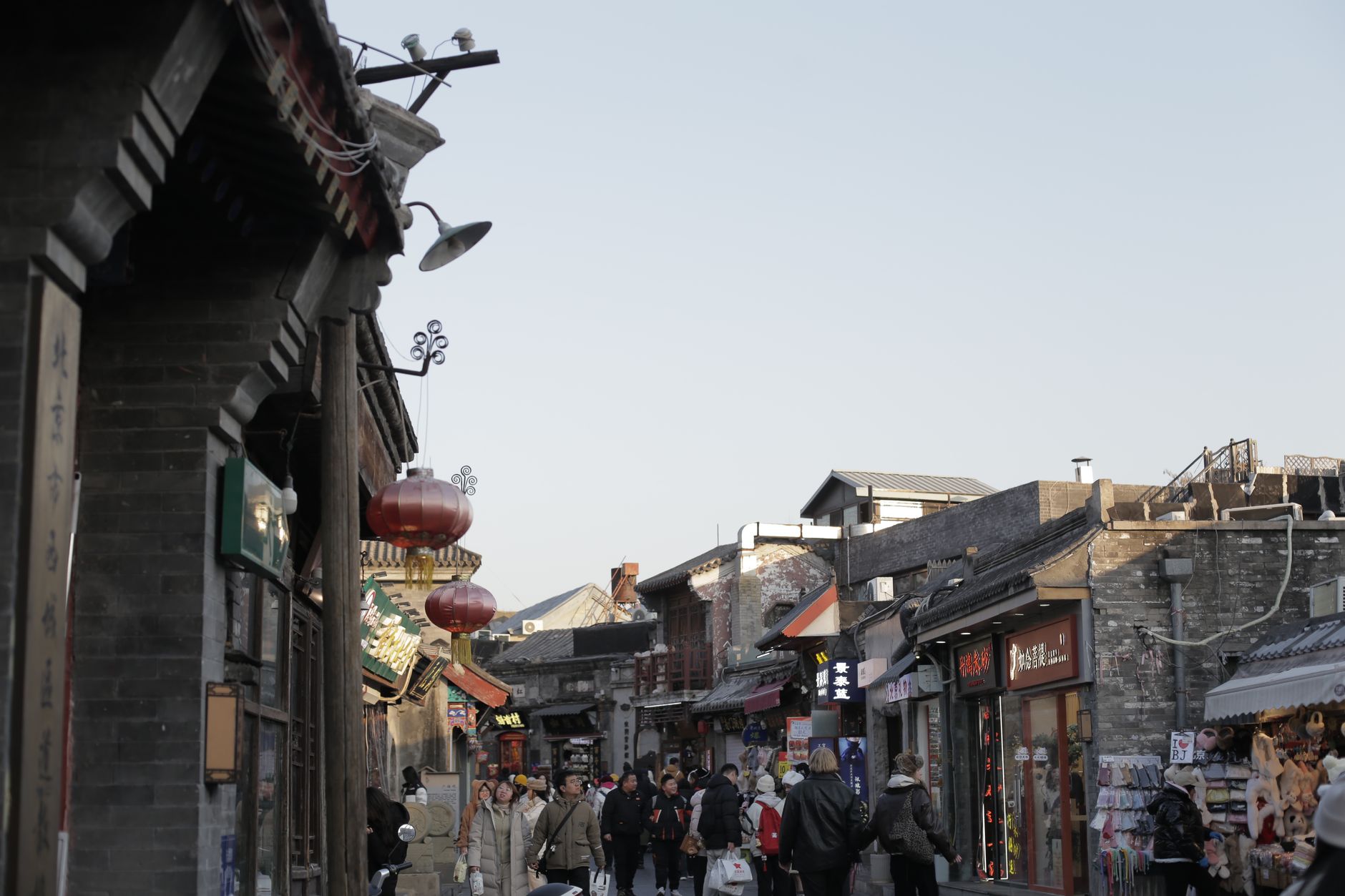
Most first-time visitors stay in Dongcheng, the eastern half of the old imperial city: it holds the Forbidden City, the Temple of Heaven, and most of the surviving hutong alleys, and subway lines 1, 2, 5, 6 and 8 reach the major sights without a transfer. For nightlife, embassies and a more modern skyline, Chaoyang is Beijing's international district, home to the bars and malls around Sanlitun, the Guomao business core, and the 798 Art District, a former electronics factory built with East German engineers in the 1950s and now the city's contemporary art hub. Haidian, in the northwest, is the university and tech side of town, home to Tsinghua and Peking University and the Zhongguancun tech corridor, well placed for the Summer Palace but a longer ride from both the airport and the old city center. See our where to stay in China guide for booking basics.
Book hotels in Beijing
Search Dongcheng hutong courtyards or Chaoyang high-rises on Trip.com
Some links are affiliate links; we may earn a commission at no extra cost to you.
Best time to visit
Autumn, September into October, is the best season: reliably blue skies, comfortable temperatures and golden foliage in the parks. Spring, April into May, is a close second, mild and full of blossom. Summer, June through August, turns hot, humid and busy, and winter, December through February, is cold and dry, regularly dipping below minus 10°C, though the sites are quiet and the palace looks striking under snow. Two windows to plan around: National Day "Golden Week" (October 1 to 7), when every major site is packed, and the days right around Chinese New Year (the date shifts each year, usually late January to February), when many small restaurants and family-run shops shut for a few days as staff travel home, even though the big sights themselves stay open and draw domestic holiday crowds.
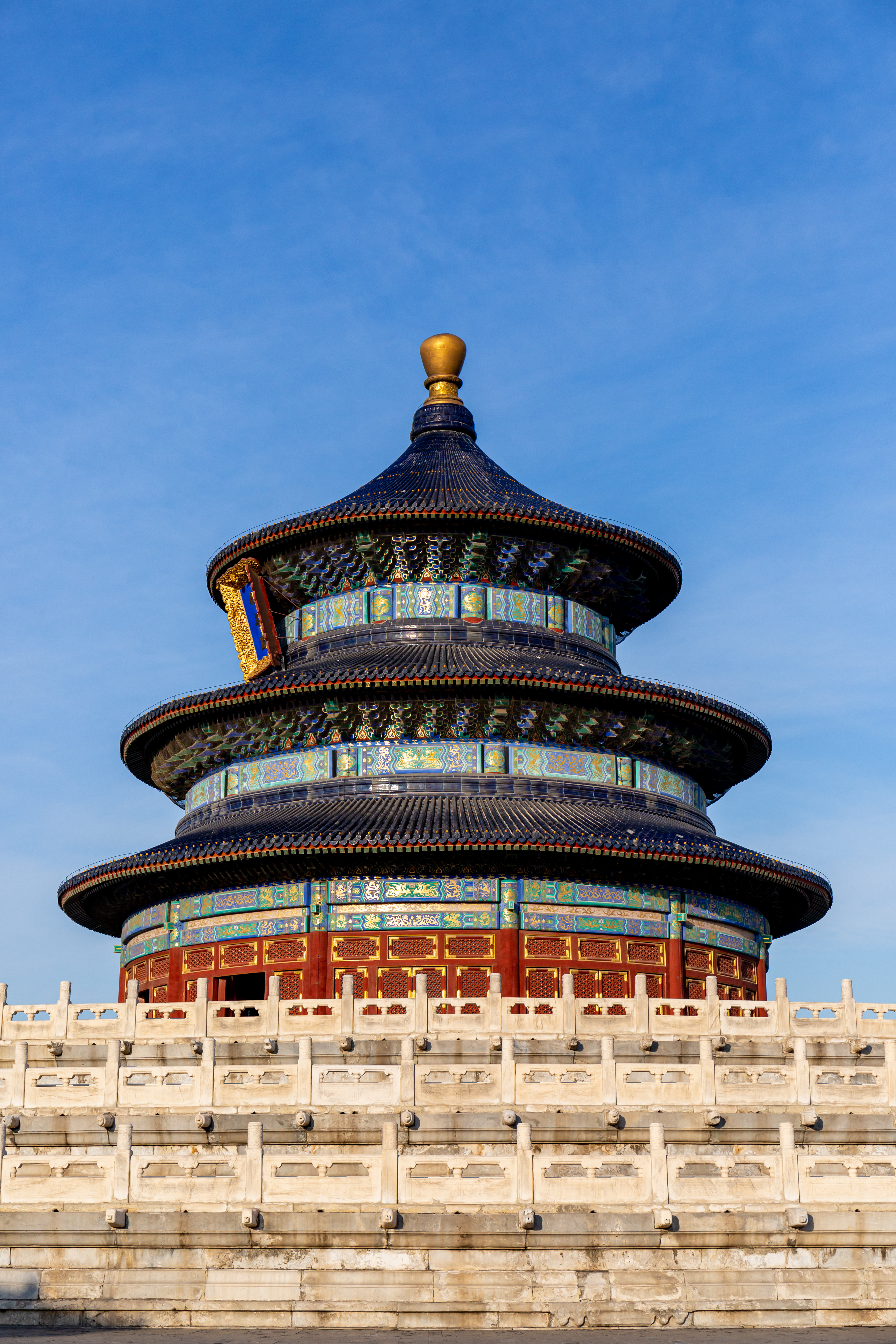
The Hall of Prayer for Good Harvests at the Temple of Heaven against a clear Beijing sky
Getting in and getting around
If your passport is on the list, both of Beijing's airports qualify as ports for the 240-hour visa-free transit policy: arrive with a confirmed onward ticket to a third country or region within 10 days and you can skip the visa application. Check our China visa guide for your nationality before you book, since the eligible list has changed more than once. Since late 2025, arriving foreigners can also file China's arrival card online in advance through the National Immigration Administration's official "NIA 12367" channel or its WeChat and Alipay mini-programs, instead of filling out a paper form at the airport. The service is free, and immigration authorities have flagged lookalike sites that charge a fee for it, so stick to the official channel or the QR code posted at the port of entry; a paper card is still there as a backup if you land without having filed one.
Capital International (PEK) connects to the city by its own Airport Express metro line. Daxing International (PKX), the newer of the two, links to Caoqiao on Line 10 by a second Airport Express and to Beijing West Railway Station by a roughly 20-minute high-speed train. From Beijing South or Beijing West, high-speed rail reaches Shanghai in about 4.5 hours and Xi'an in around 4.5 to 6 hours.
Around town, the subway is the fastest way to move, and every station entrance runs bags through an X-ray scanner, a security layer that has been standard since before the 2008 Olympics and adds a couple of minutes to your trip. You don't need a transit card to ride: Beijing's network takes contactless taps from foreign Visa, Mastercard, UnionPay, JCB and American Express cards directly at the gate, across all lines including both airport lines, with no app or advance top-up required. Alipay or WeChat Pay's transit QR code works just as well if you link a card there first, and doubles as your payment method everywhere else once it's set up; see our essential apps guide for what's worth installing before you land. Taxis and Didi are plentiful too, though a downloaded offline map helps, since some international map and rideshare apps don't work reliably inside China.
A few practical notes
Carry your passport everywhere: you need it for attraction bookings, hotel check-in and every train ticket, high-speed or overnight. Set up Alipay or WeChat Pay linked to a foreign card before you arrive, since cash is rarely used now and small vendors increasingly don't keep change on hand.
Highlights
- Forbidden City: the world's largest palace complex, booked online only with your passport, no gate tickets
- Beijing Central Axis: the 7.8 km historic spine of the old city, from the Bell and Drum Towers to Yongdingmen Gate, added to the UNESCO World Heritage List in 2024
- Great Wall at Mutianyu: a restored, scenic and less-crowded section about 70 km northeast
- Temple of Heaven: a Ming masterpiece of circular architecture set in a huge public park
- Summer Palace: imperial lakeside gardens with the painted Long Corridor
- Hutong alleys around Nanluoguxiang and the Drum and Bell Towers for old Beijing street life
- 798 Art District: a 1950s electronics factory in Chaoyang turned into Beijing's contemporary art hub
- Jingshan Park: the classic hilltop panorama over the Forbidden City's golden roofs
Travel Tips
Book the Forbidden City days ahead
There are no gate tickets: reserve online with your passport as soon as your dates are set, and note it closes on Mondays.
File your arrival card online first
China's National Immigration Administration lets foreigners submit the arrival card online before flying (NIA 12367, or its WeChat/Alipay mini-program). It's free, so ignore any site that asks you to pay for it. A paper card at the airport still works as backup.
Go cashless
Set up Alipay or WeChat Pay linked to a foreign card before you arrive; most shops, taxis and ticket booths barely handle cash anymore.
Tap into the subway with your own card
Beijing's metro takes contactless foreign Visa, Mastercard, UnionPay, JCB and Amex cards straight at the gate on every line, no transit card needed. Just budget a couple of minutes for the bag-scanner queue at busy stations.
Pick the right Great Wall section
Choose Mutianyu for scenery and fewer crowds, or Badaling for the easiest public-transport access; start early to beat tour groups.