China
Huangshan
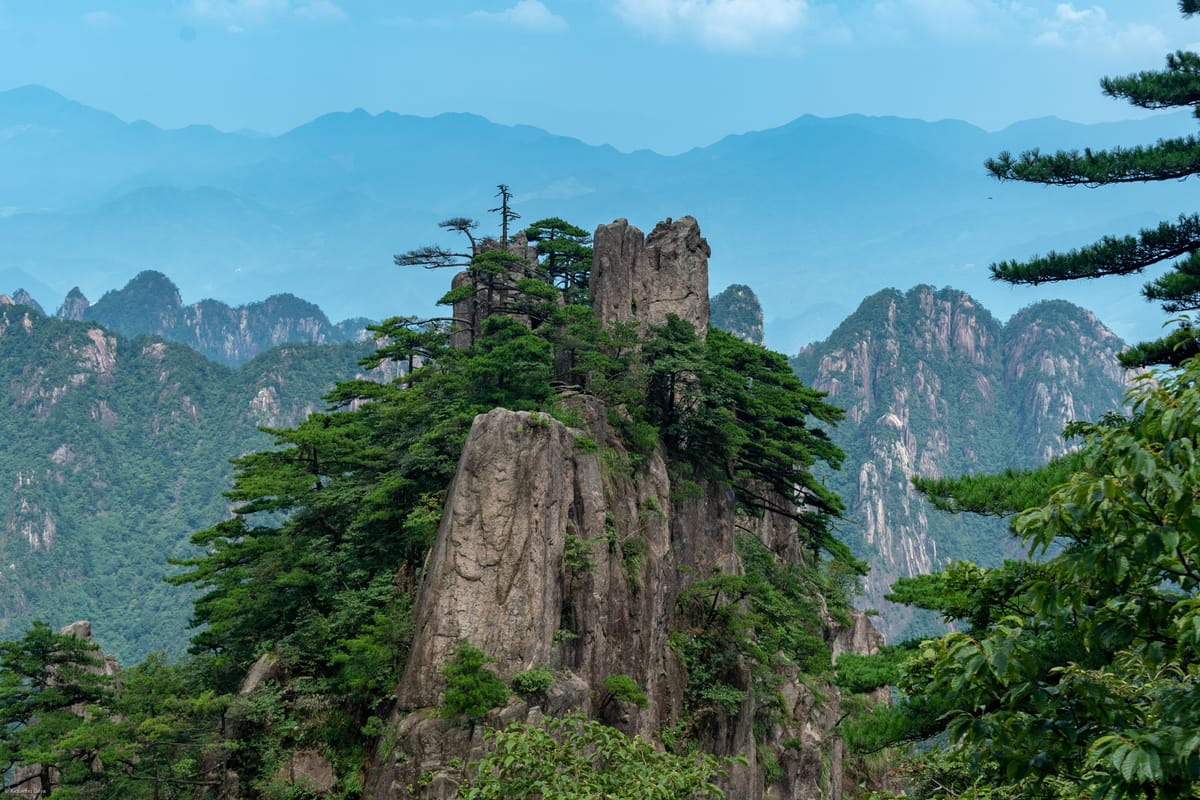
One night on the summit changes everything at Huangshan. The Yellow Mountains of southern Anhui are a UNESCO World Heritage Site of granite spires, twisted pines, hot springs and the famous sea of clouds, and the travelers who see them at their best are the ones who sleep up top: sunset, sunrise and the quiet hours before the day-trippers arrive all belong to overnight guests.
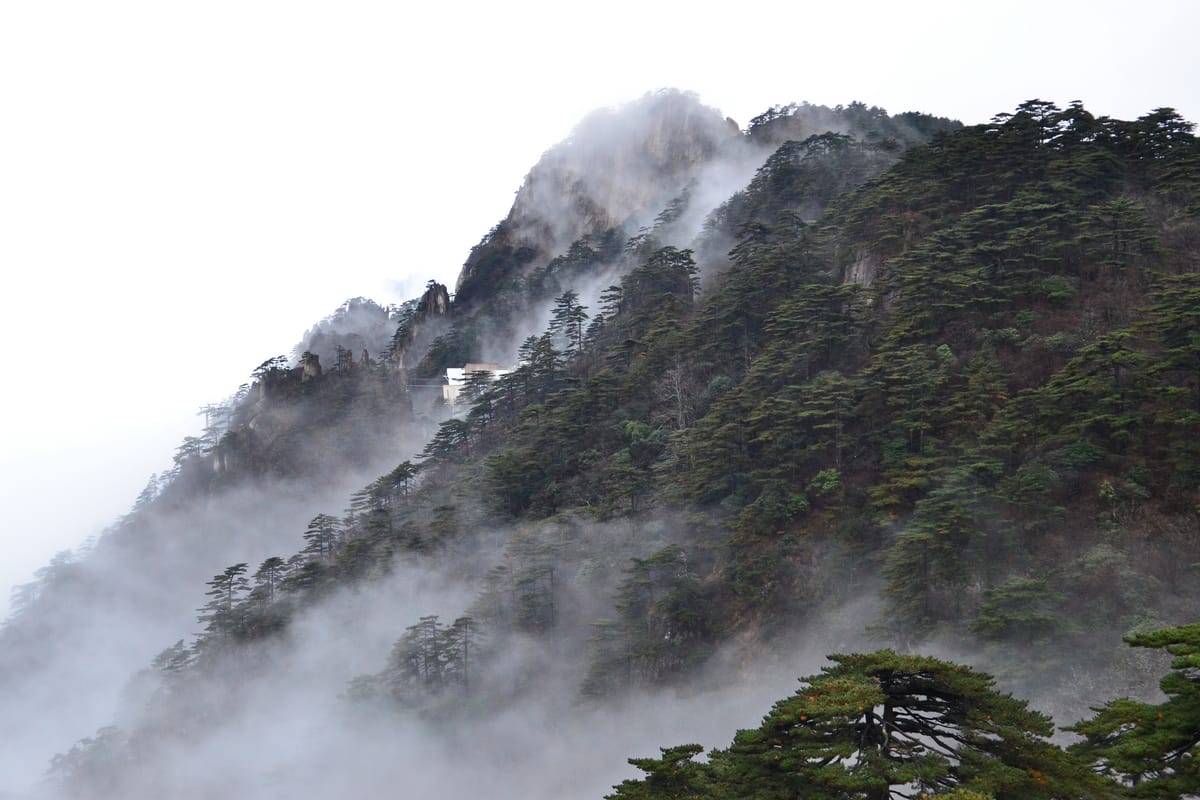
Sea of clouds drifting through the granite peaks of Huangshan
How a visit actually works
Huangshan runs on a two-step system. First you reach Tangkou, the gateway town at the mountain's south gate. From there everyone transfers to the official scenic-area shuttle buses, which climb to the two main trailheads: Yungu station on the east side and Ciguang Pavilion (Mercy Light Pavilion) on the front side; private cars and taxis do not drive up. From either trailhead you walk or ride a cable car. The Yungu line serves the eastern peaks, Yuping rises past the Welcome Pine at the front, and Taiping comes up from the quieter north slope. Climbing on foot is a stair workout of several hours, so most visitors ride up and spend their energy on the summit trails instead.
What to see up top
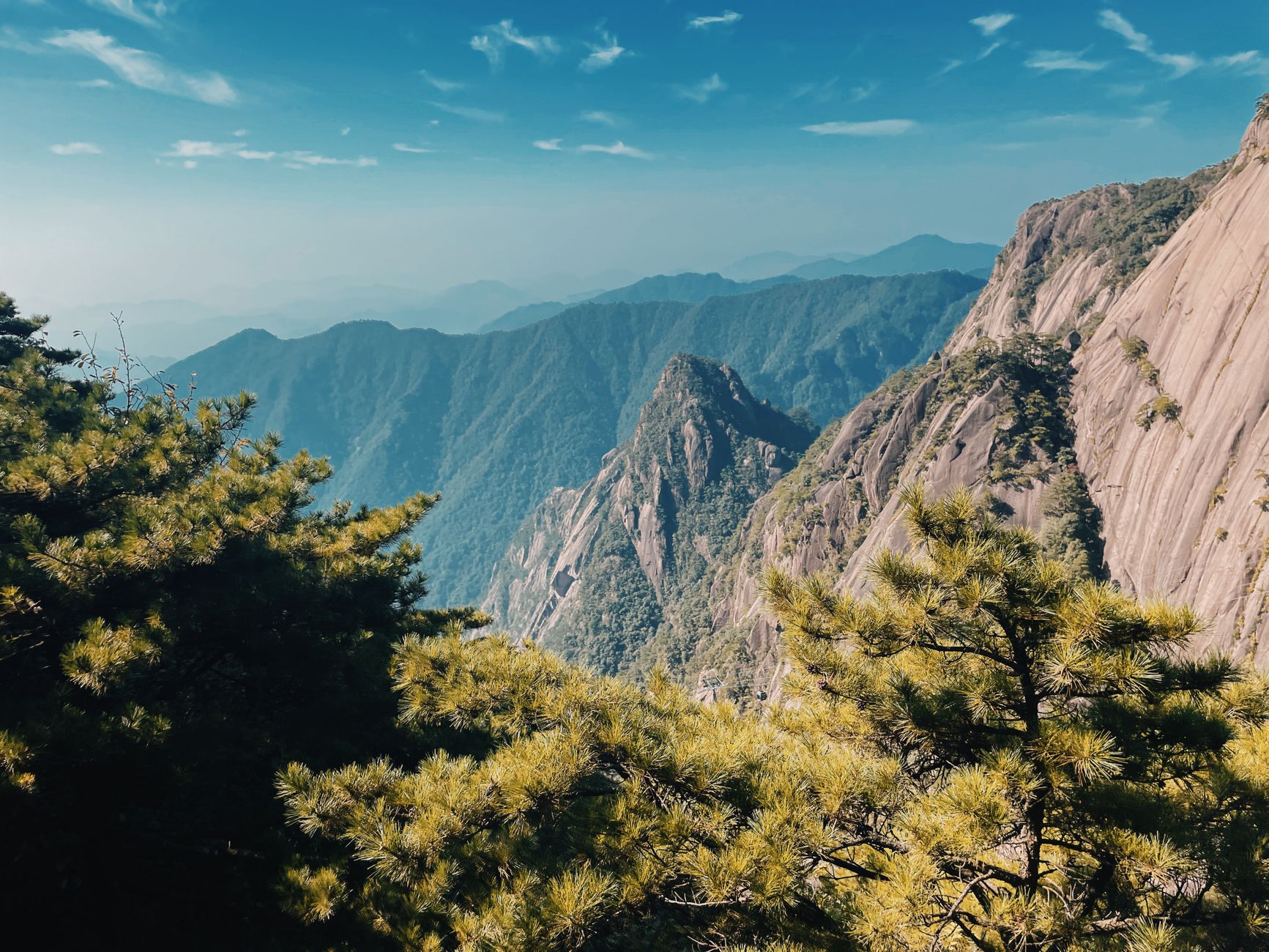
The summit area is a web of paved trails linking named viewpoints, and you can fill two days without repeating yourself:
- The sea of clouds: valleys fill with rolling white and the peaks float like islands, most often after rain and in the cooler months.
- The Welcome Pine (Yingke Song): the 800-year-old tree from a thousand Chinese paintings, near the top of the Yuping cable car.
- Bright Summit Peak and Flying-over Rock: classic viewpoints on the central plateau.
- The West Sea (Xihai) Grand Canyon: a loop of walkways bolted to sheer cliff faces, with a short sightseeing railway at the bottom of the gorge. It closes from December to mid-March every winter because the plank paths ice over (in 2026 it reopened on March 14), so check dates if you come off-season.
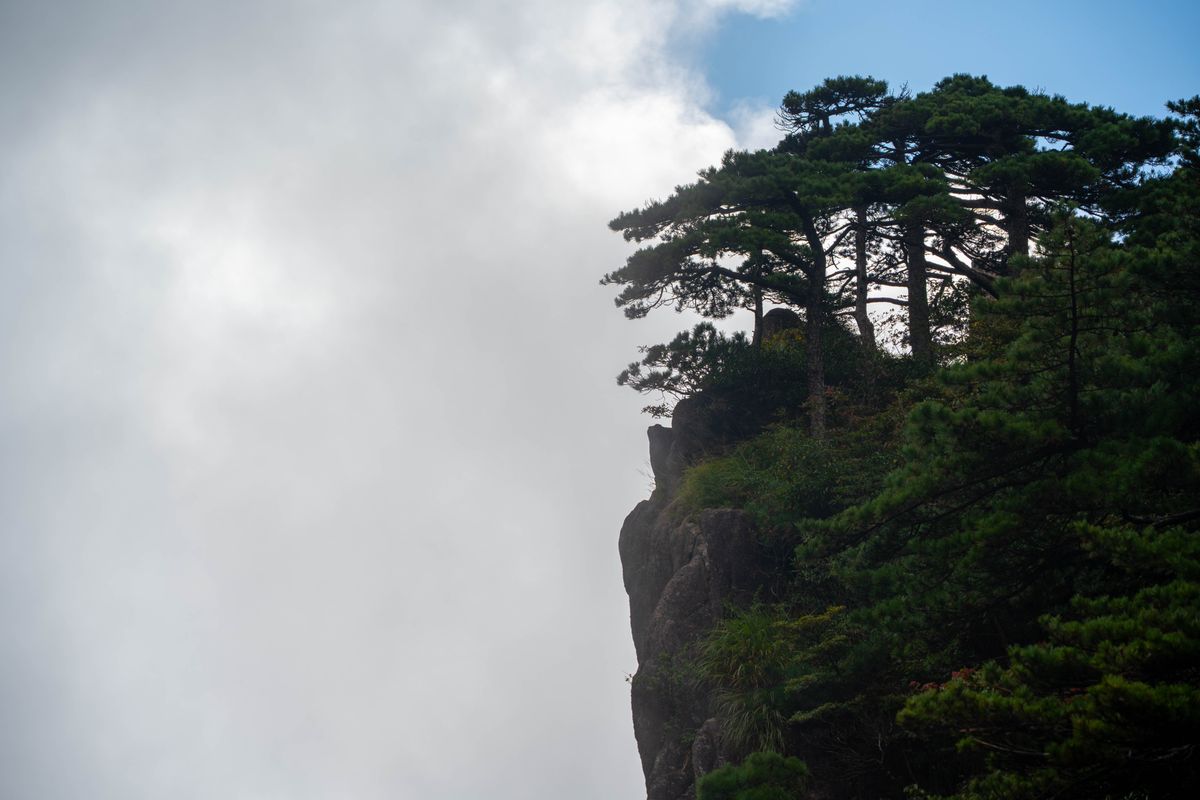
A lone Huangshan pine clinging to a cliff edge as cloud rolls past
Sunrise and where to stay
Summit hotels are limited and plain for what they charge, and they are still worth it: staying up top means strolling a few minutes to a sunrise viewpoint instead of racing the first cable car of the morning. Book well ahead for weekends and holidays between April and October. If you would rather day-trip, sleep in Tangkou the night before and take the earliest shuttle up.
Beyond the mountain
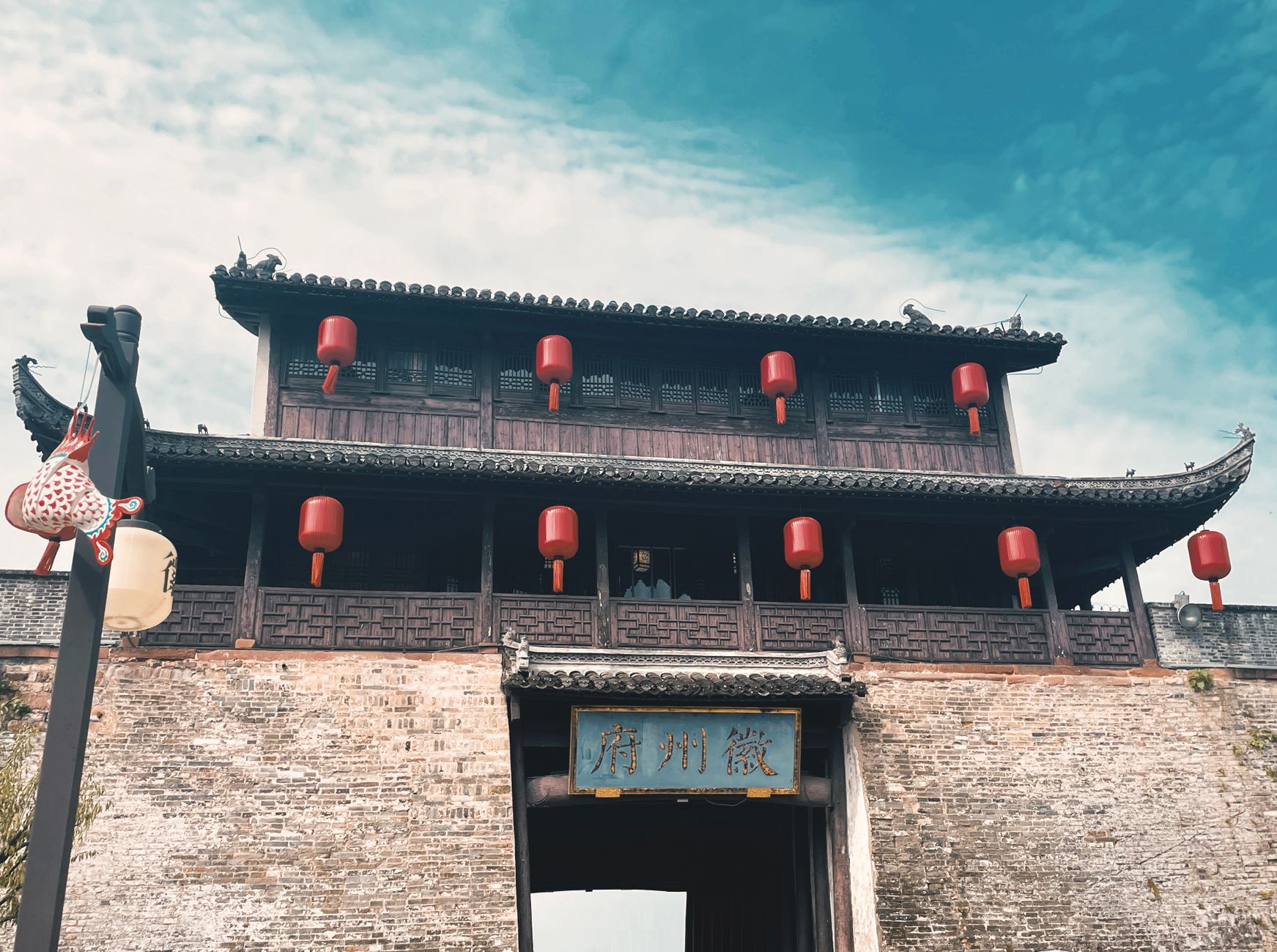
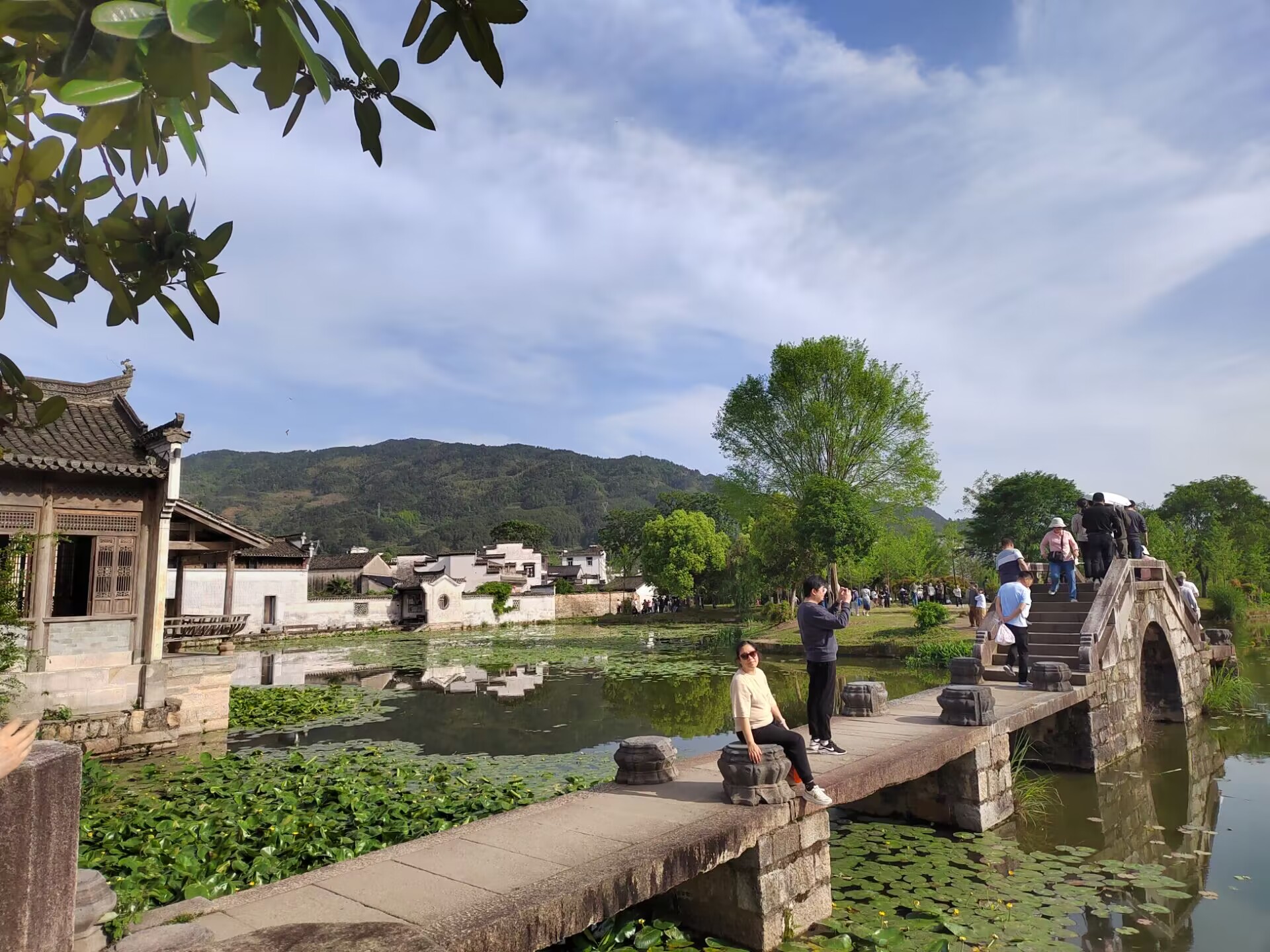
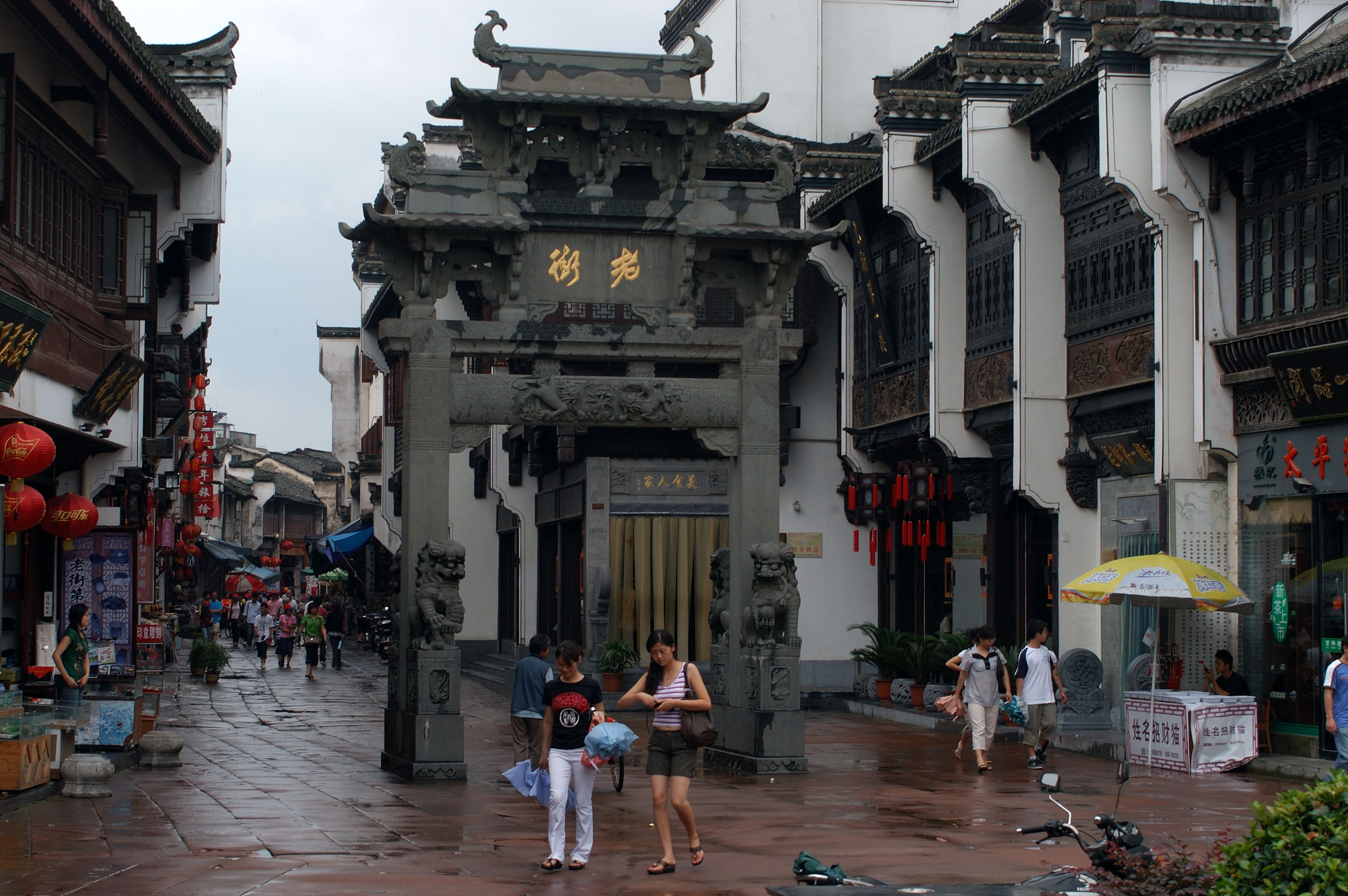
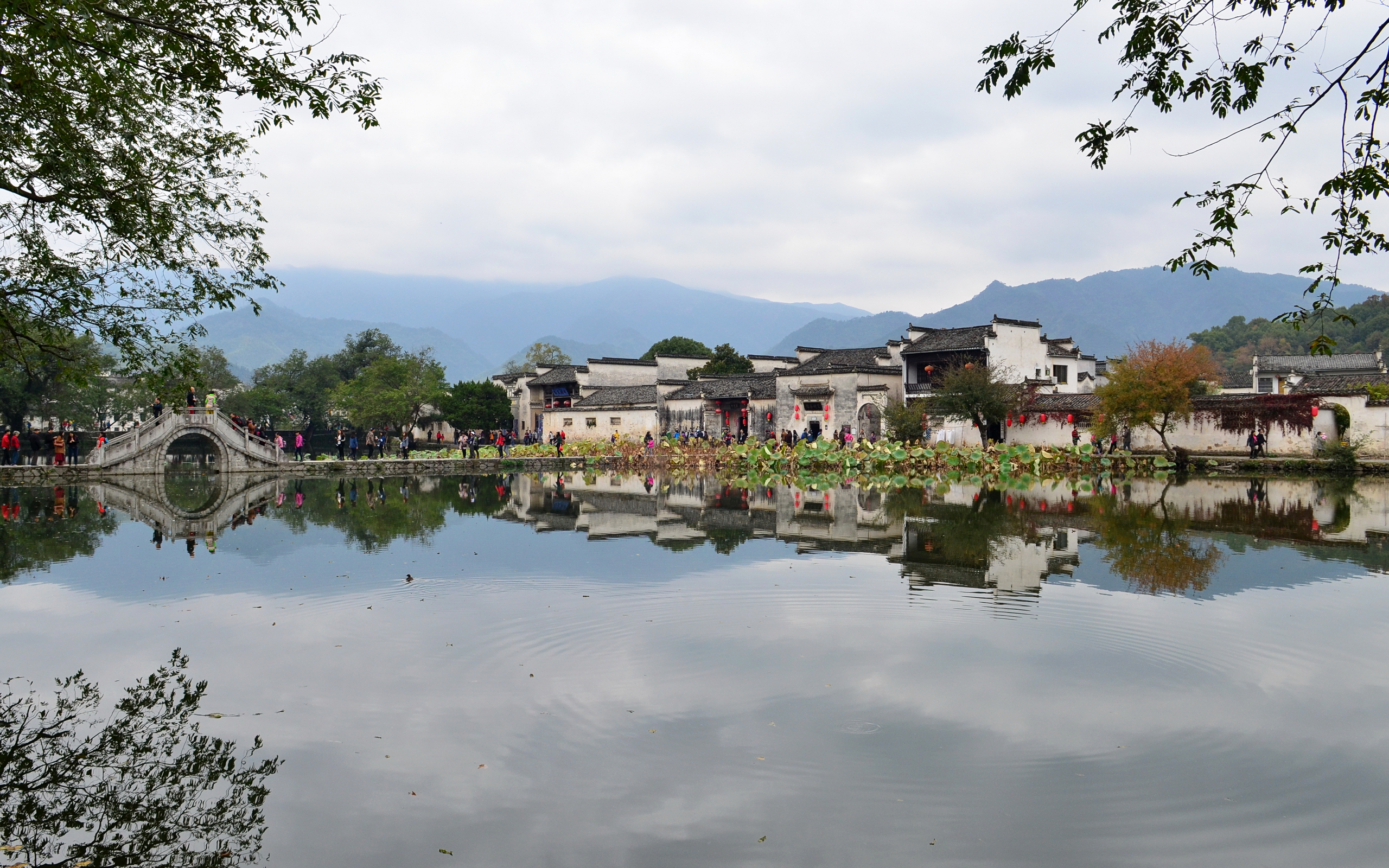
The UNESCO-listed villages of Hongcun and Xidi, all whitewashed Huizhou houses, lotus ponds and stone lanes, sit about a 40-minute drive from Tangkou and pair naturally with the climb. Down in Huangshan City itself, Tunxi Old Street makes an easy evening stroll before or after the mountain.
When to go
Spring and autumn bring the clearest, most stable weather. Winter has snow-dusted pines, far fewer people and the best odds of a sea of clouds, at the cost of the canyon closure and icy steps. July and August are lush but hazier, with more rain and fog rolling through. In any season the summit weather turns fast: pack a windproof layer and shoes with grip.
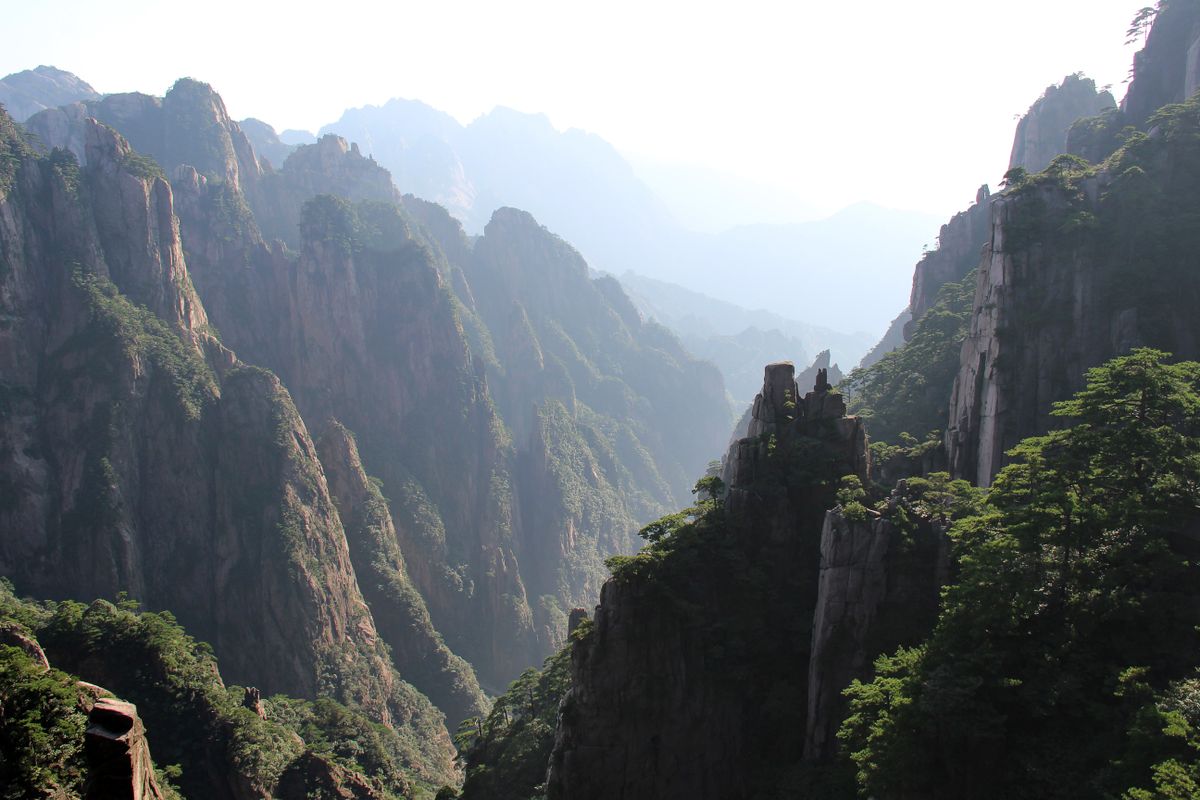
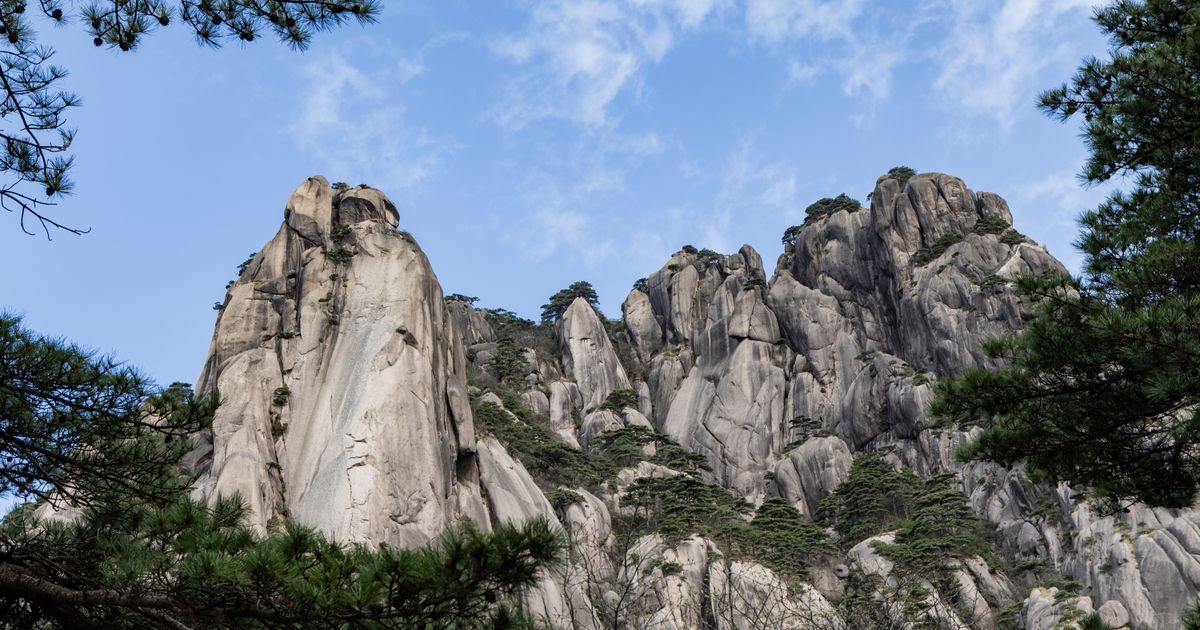
Jagged granite peaks and pine-filled valleys of Huangshan under a hazy sky
Getting there
High-speed trains reach Huangshan North station in about 3 hours from Shanghai, with direct services from Hangzhou and other cities. From the station, shuttle buses run to Tangkou in about an hour, departing roughly every half hour through the day, and a few daily buses go straight to the trailheads. Book train seats ahead for weekends; the official 12306 site sells the same seats as any agent, without a markup.
Trains and Huangshan hotels in English
Book high-speed rail to Huangshan North plus Tangkou or summit-area hotels in one app.
Some links are affiliate links; we may earn a commission at no extra cost to you.
Highlights
- The famous sea of clouds drifting between granite summits
- The Welcome Pine (Yingke Song), an 800-year-old emblem of Huangshan
- Sunrise from the eastern peaks
- Bizarre granite formations like the Flying-over Rock
- Hot springs at the mountain's base
- Ancient twisted pines clinging to sheer cliffs
- West Sea (Xihai) Grand Canyon walkways, open March to November
Travel Tips
Best time
Spring and autumn for clear views; winter offers snow and the best chance of a sea of clouds.
Stay overnight
Sleep at a summit hotel to catch both sunset and sunrise without rushing the cable car.
Getting up
Three cable cars (Yungu, Yuping, Taiping) save hours; the Yuping line passes the Welcome Pine.
Pack layers
Summit weather is cold and changeable even in summer; bring a windproof layer and grippy shoes.
Mind the canyon closure
The West Sea Grand Canyon and its sightseeing railway close from December to mid-March each winter because the walkways ice over; plan around it if you want the loop.