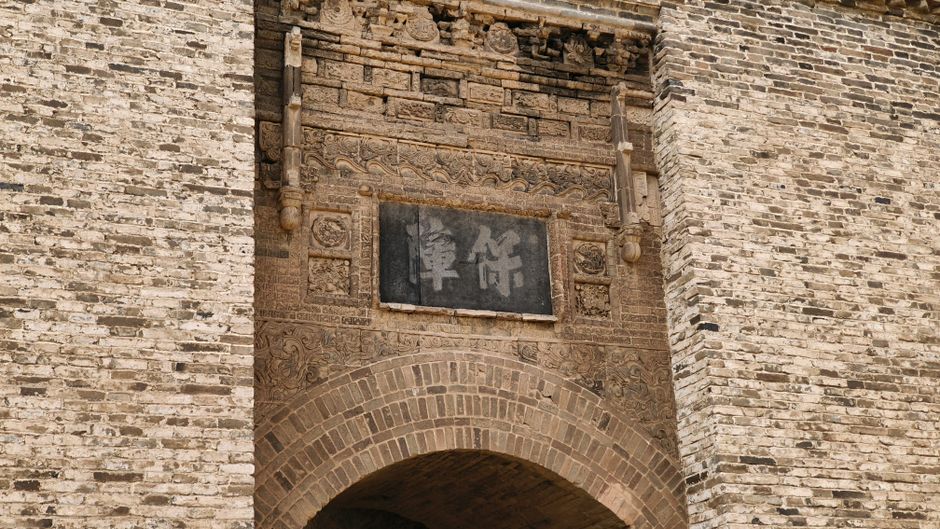
China
Datong
Datong at a glance
Datong is in northern Shanxi Province, China. For a first visit, the most useful confirmed detail is how the city’s Comprehensive Passenger Transport Center connects with several well-known stops in and around the city.
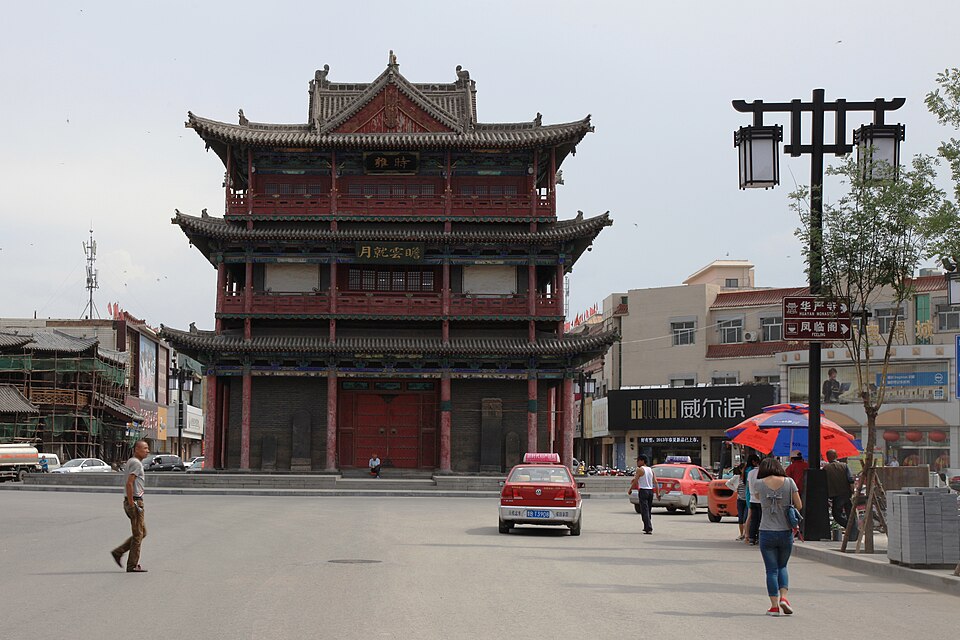
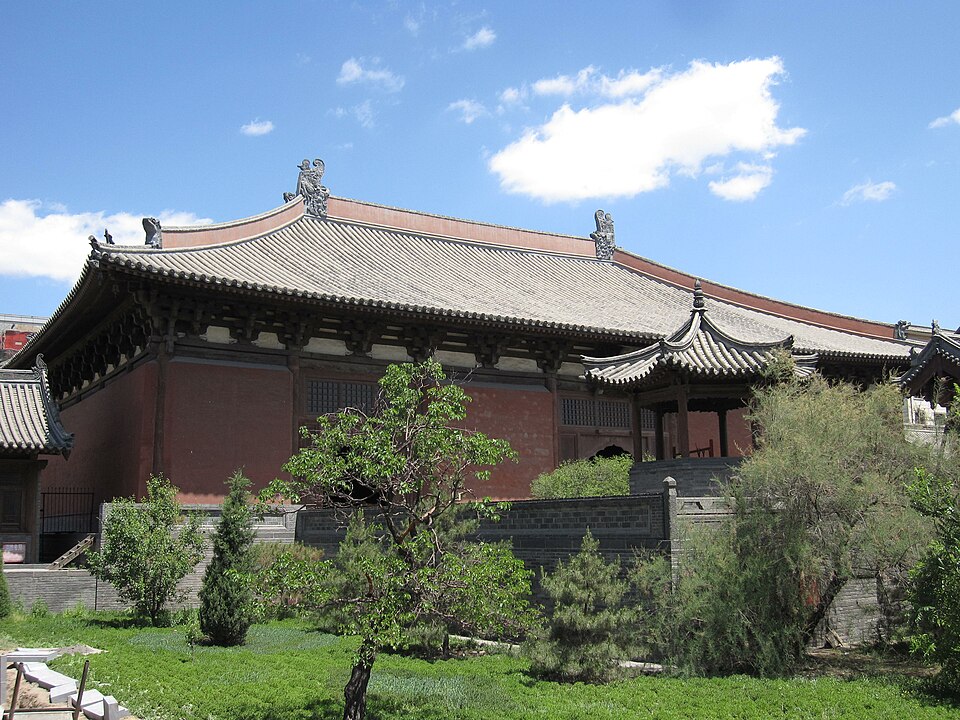
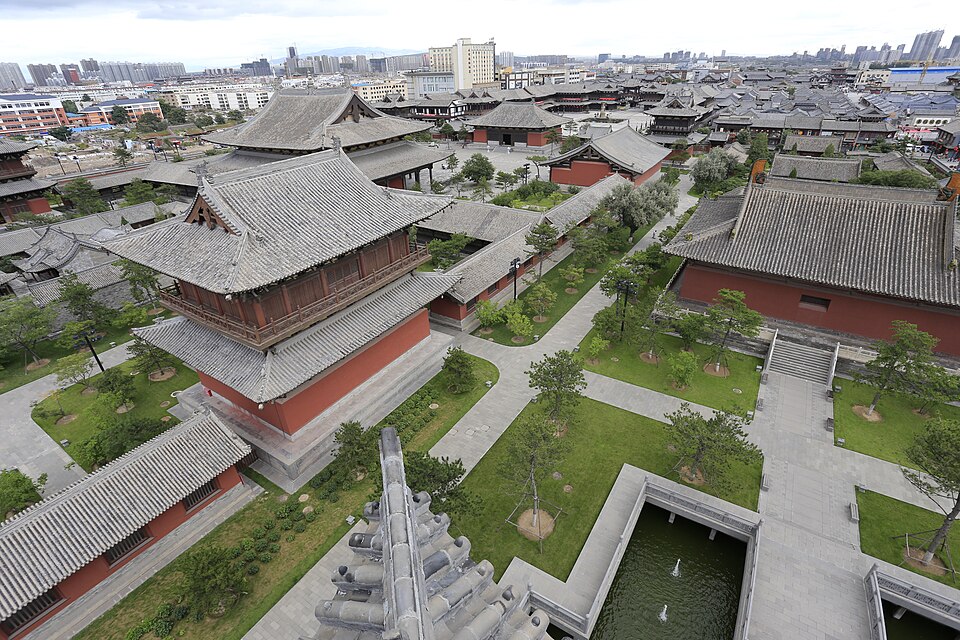
The official city service guide lists a direct shuttle from the Datong Comprehensive Passenger Transport Center to Yungang Grottoes. It also lists local bus connections to Huayan Temple, Shanhua Temple, Drum Tower, Sipailou, and Nine-Dragon Wall. This gives independent travelers a clear starting point for organizing a day without assuming that every sight needs a separate transfer.
Start with the transport center
If your arrival or onward journey brings you to the Datong Comprehensive Passenger Transport Center, check the transport information there before setting out. The official guide identifies it as a departure point for the direct Yungang Grottoes shuttle bus.
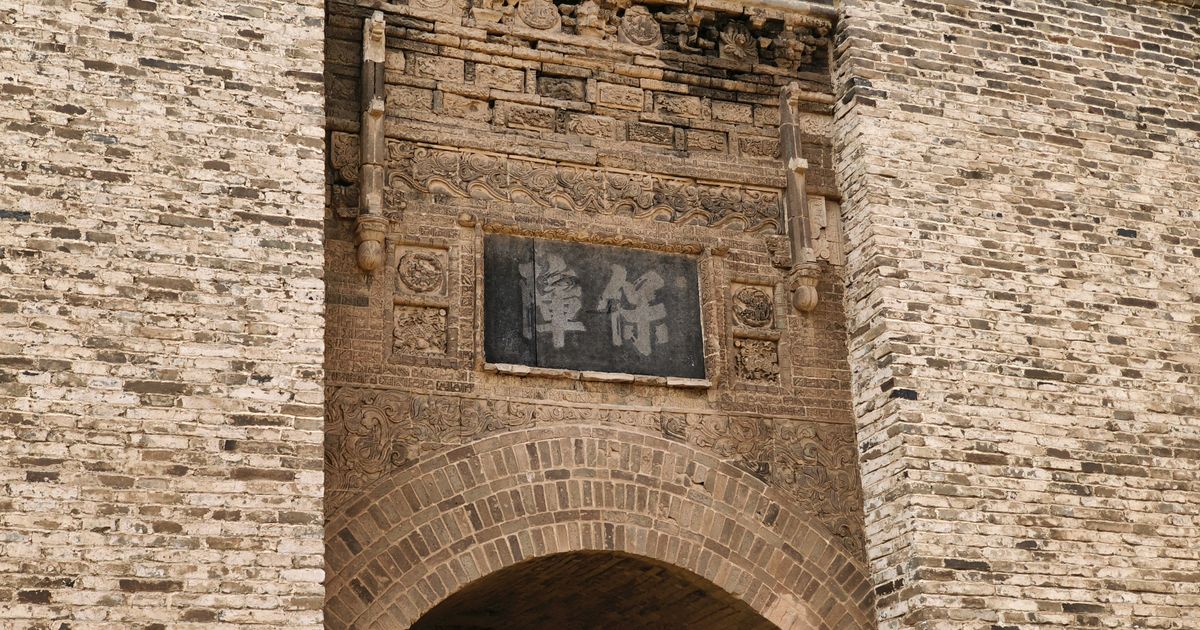
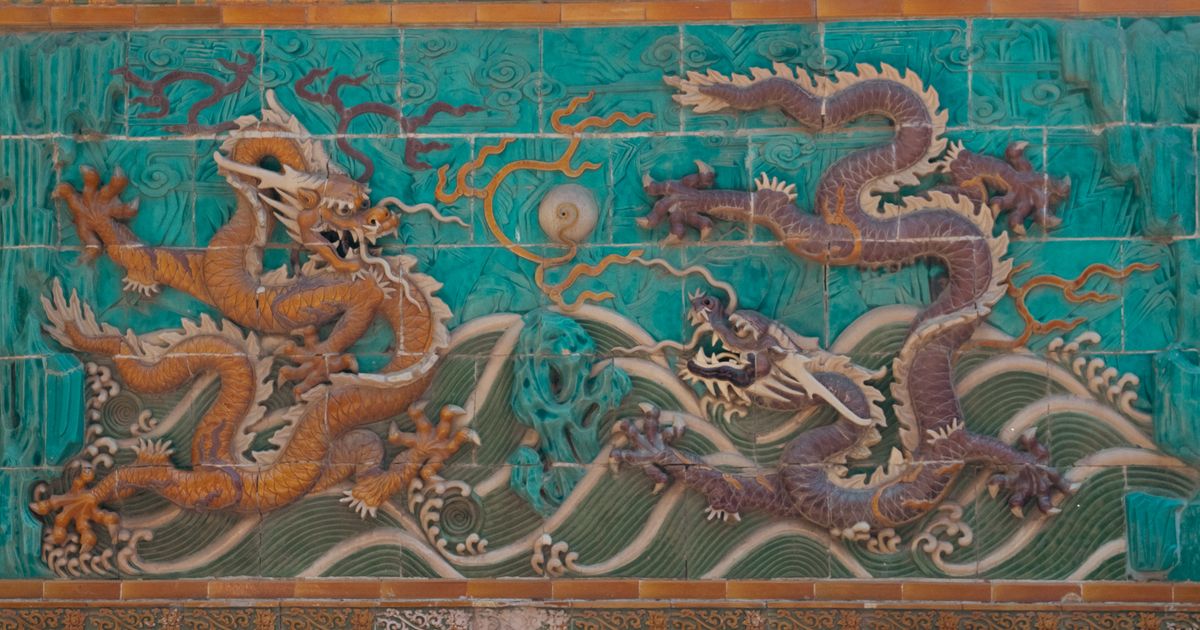
For the city stops named in the guide, bus 61 directly serves Huayan Temple, Shanhua Temple, Drum Tower, and Sipailou. Bus 608, or the Yungang Grottoes shuttle, serves Nine-Dragon Wall and Huayan Temple.
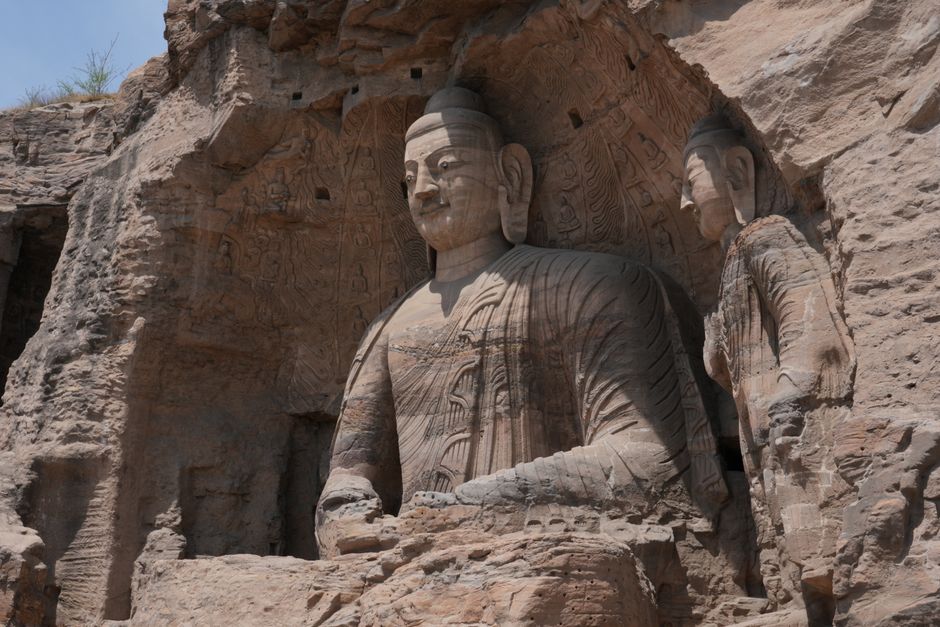
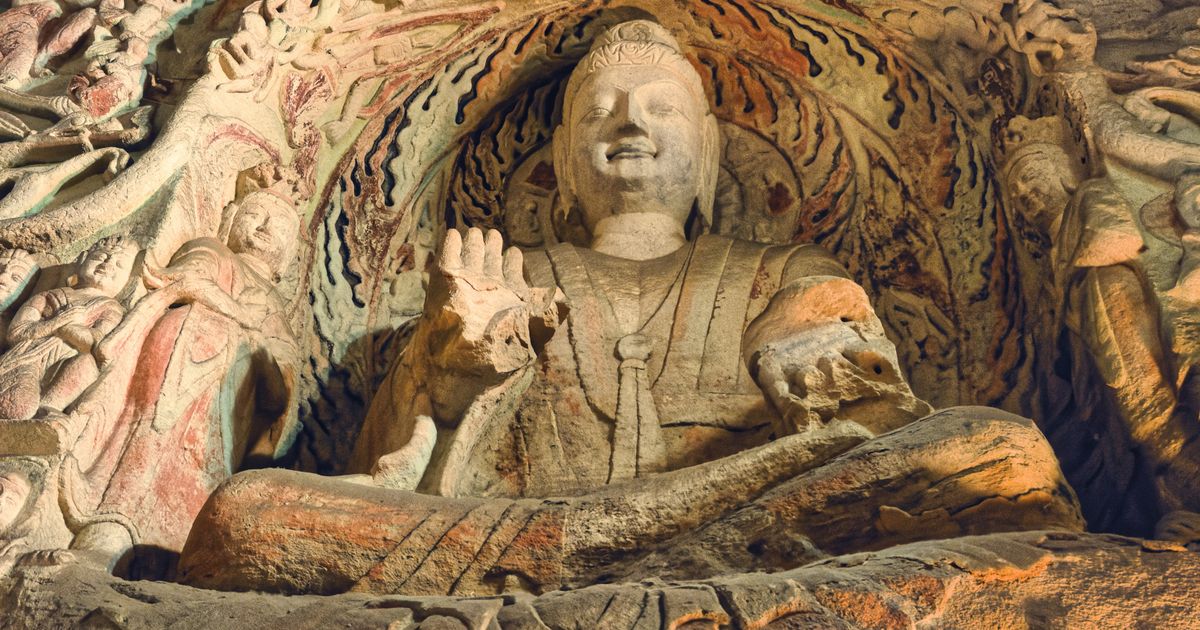
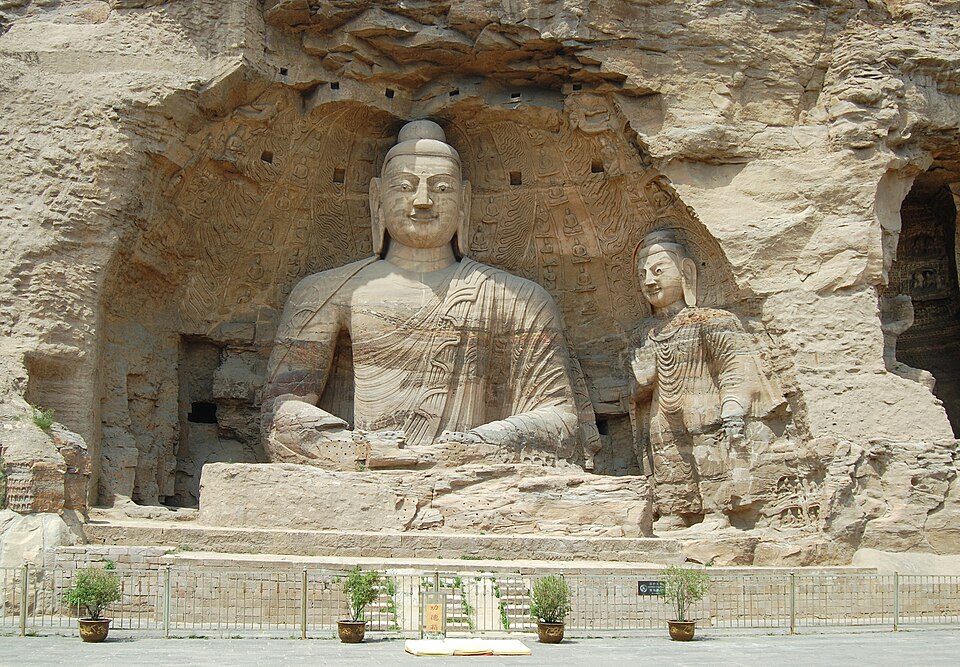
Ancient stone Buddha statues carved into the cliffs at Yungang Grottoes in Datong, China.
These are route references, not a fixed sightseeing order. Choose your sequence according to your own arrival time and the service information available on the day.
Build a simple day around confirmed links
A practical approach is to separate the destinations into two groups:
- Yungang Grottoes: use the direct shuttle identified by the official guide.
- Central-city stops: use bus 61 for Huayan Temple, Shanhua Temple, Drum Tower, and Sipailou; use bus 608 or the shuttle for Nine-Dragon Wall and Huayan Temple.
Huayan Temple appears in more than one listed connection. That can make it a useful point to keep flexible in your plan, especially if you are deciding between bus 61 and bus 608 or the shuttle. Do not treat that as a guarantee of frequency, operating hours, or transfer timing. Confirm the current service locally.
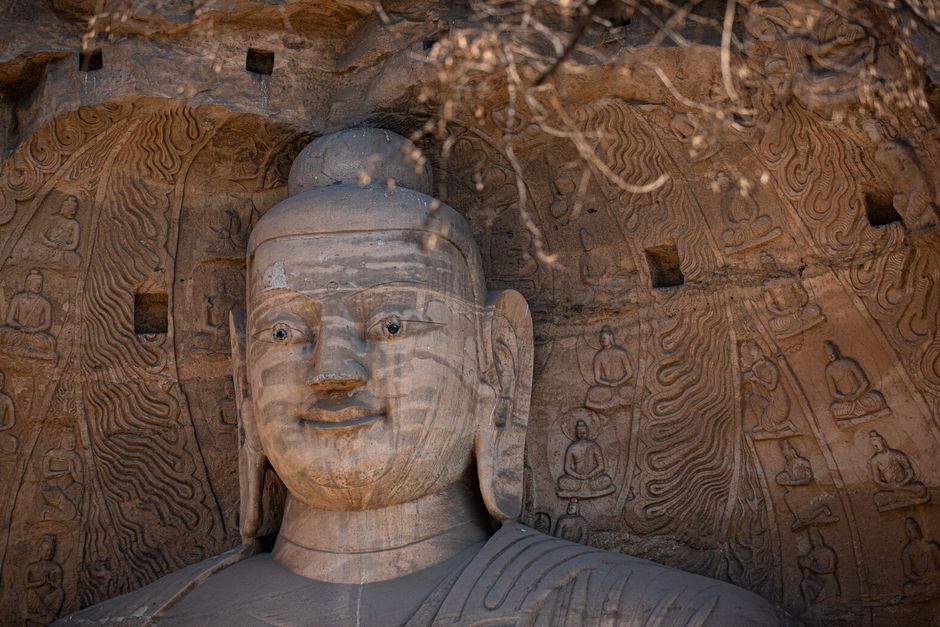
Majestic stone sculpture of Buddha at Yungang Grottoes, showcasing ancient Chinese artistry.
What the official route list does and does not tell you
The route information confirms that these services connect the named places. It does not, by itself, establish ticket prices, operating hours, exact stops, service frequency, accessibility arrangements, or whether a route is running at a particular moment. Avoid building a tight schedule around details that have not been confirmed for your travel date.
Keep the official transport guide saved on your phone, and check current notices at the transport center. If you are using the Yungang Grottoes shuttle, verify that the departure point and service details still match the published guide before you leave.
A careful planning checklist
- Use Datong’s northern Shanxi location when placing it in your wider China itinerary.
- Start transport planning from the Datong Comprehensive Passenger Transport Center if it fits your arrival.
- For Yungang Grottoes, look for the direct shuttle listed in the official guide.
- For Huayan Temple, Shanhua Temple, Drum Tower, and Sipailou, check bus 61.
- For Nine-Dragon Wall and Huayan Temple, check bus 608 or the Yungang Grottoes shuttle.
- Reconfirm live service details locally rather than relying on a static route list alone.
Datong’s official guide provides enough confirmed information to make a cautious, transit-led plan. Keep the plan flexible, verify details on the day, and use the listed routes as your starting framework.
Highlights
- Datong is in northern Shanxi Province, China.
- A direct shuttle links the Datong Comprehensive Passenger Transport Center with Yungang Grottoes.
- Bus 61 directly serves Huayan Temple, Shanhua Temple, Drum Tower, and Sipailou.
- Bus 608 serves Nine-Dragon Wall and Huayan Temple from the transport center.
- The Yungang Grottoes shuttle also serves Nine-Dragon Wall and Huayan Temple.
Travel Tips
Use the transport center as your starting point
The official guide identifies the Datong Comprehensive Passenger Transport Center as the departure point for the direct Yungang Grottoes shuttle.
Match the bus to the stops you want
Bus 61 is listed for Huayan Temple, Shanhua Temple, Drum Tower, and Sipailou. Bus 608 is listed for Nine-Dragon Wall and Huayan Temple.
Confirm live details locally
The supplied guide confirms route links, not current frequency, fares, operating hours, or exact departure arrangements. Check on the day of travel.