China Golden Triangle Itinerary: Beijing, Xi'an & Shanghai in 8 Days (2026)
Quick answer: China's Golden Triangle, Beijing, Xi'an and Shanghai, is the classic 8-day first trip, linked end to end by high-speed rail: three days for Beijing and the Great Wall, two for Xi'an and the Terracotta Army, and three for Shanghai. Book the headline sights and your inter-city G-trains in advance, and travel with the passport tied to every ticket.
China's "Golden Triangle," Beijing, Xi'an and Shanghai, is the classic first trip to China, and for good reason. In one neat loop you get the imperial capital and the Great Wall, the ancient Silk Road terminus guarded by the Terracotta Army, and the dazzling modern metropolis on the coast. High-speed G-trains run between all three, so eight days is enough to see the icons without feeling rushed. This day-by-day itinerary lays out exactly what to do, how to move between cities, and where each day's highlights connect.
Why the Golden Triangle?
These three cities tell the whole arc of China in one trip: 3,000 years of imperial history in Beijing, the buried army and city walls of Xi'an, and the glass-and-neon future of Shanghai. They're also the easiest cities to navigate as a first-timer: major airports, English signage on the metro, and fast trains in between. If you have more time, see our longer 10-day China itinerary; if you only have a few days per city, the city-specific Beijing, Xi'an and Shanghai itineraries go deeper.
Before you go: check whether you need a visa or can use the 240-hour visa-free transit (see our guide to China visa requirements). All three cities are visa-free transit ports.
Days 1-3: Beijing
Day 1: The Imperial Heart
Start at Tiananmen Square, the vast ceremonial centre of the city, then walk north through the gate into the Forbidden City, the imperial palace of the Ming and Qing emperors and the largest palace complex on earth. Forbidden City tickets go on sale 7 days in advance (at 20:00 Beijing time on the official website), and booking 5 or more days ahead is strongly advisable during peak season, when daily capacity fills fast. Bring your passport; entry is timed and capped. In the evening, wander the lanes of Nanluoguxiang for hutong atmosphere, snacks and bars.
Day 2: The Great Wall at Mutianyu
Dedicate a full day to the Mutianyu Great Wall, the best-restored section near Beijing, with a cable car up and a toboggan ride down. The cable car starts at 7:30am (peak season) so arriving early lets you get ahead of the groups that arrive after 10am. It's about 1.5 hours from the city. A private driver or a small-group tour is the easiest way to get there and back.
Day 3: Temple, Garden Palace, and Onward to Xi'an
Spend the morning at the Temple of Heaven, where Ming emperors prayed for good harvests and where locals now practise tai chi in the park. In the afternoon, visit the Summer Palace, the imperial lakeside retreat, or the Lama Temple if you prefer Tibetan-Buddhist incense and gilt. Then take an evening high-speed train to Xi'an (about 4.5-6 hours on most services, with the fastest G-trains taking as little as 4h10m): book ahead and consider a business-class seat for the long ride.
Days 4-5: Xi'an
Day 4: The Terracotta Army
The reason most people come to Xi'an: the Terracotta Army, thousands of life-size clay warriors buried to guard China's first emperor. The museum opens at 8:30am, and arriving at opening lets you explore the three pits before the bulk of tour groups arrive after 10am. Hire a guide or audio guide to make sense of the excavation, and combine it with nearby Huaqing Palace, the hot-spring retreat at the foot of Mount Li. Back in the city, spend the evening eating your way through the Muslim Quarter: hand-pulled noodles, roujiamo (Chinese "burgers") and lamb skewers, beside the floodlit Bell and Drum Towers.
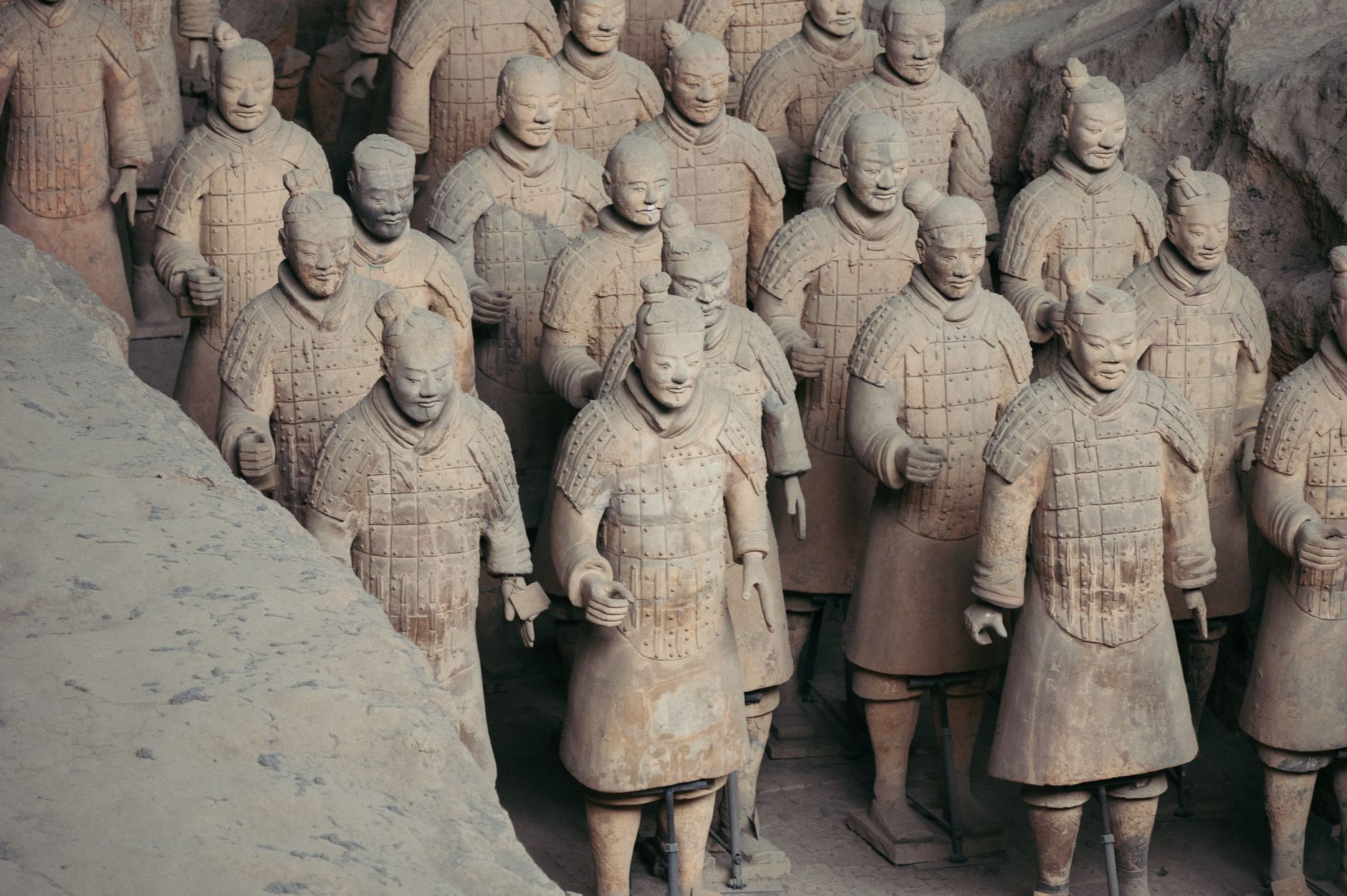
The Terracotta Army warriors in their excavation pit in Xi'an
Day 5: City Wall, Museum, and On to Shanghai
Rent a bike on top of the Xi'an City Wall, the most complete ancient city wall in China: a 14 km circuit you can ride in about two hours. Then dive into the Shaanxi History Museum for context on the dynasties, or climb the Big Wild Goose Pagoda, built to house Buddhist scriptures brought back from India. In the afternoon, take a high-speed train (about 6 hours) or a short flight to Shanghai.
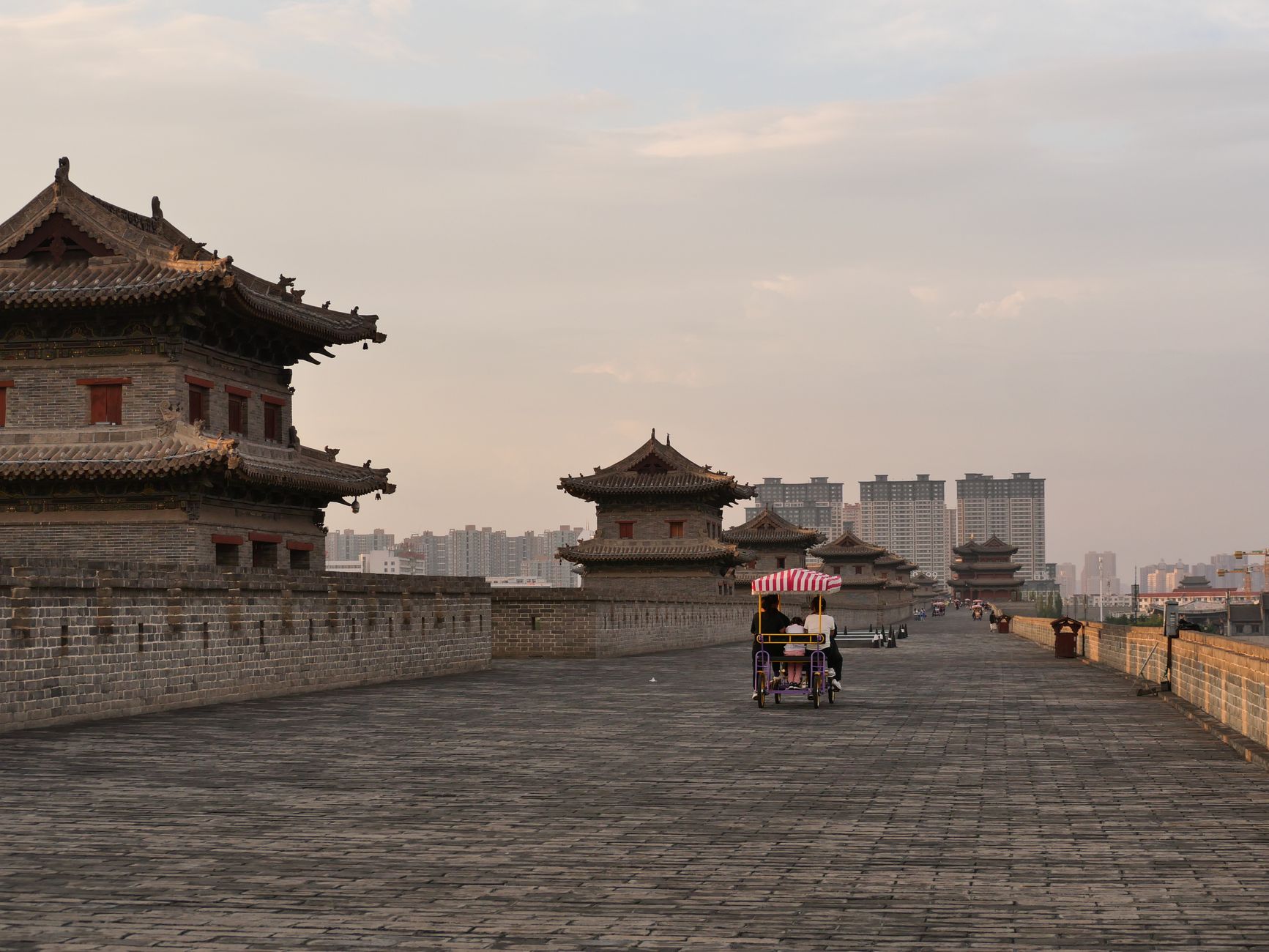
Cyclists riding along the top of the Xi'an City Wall at sunset
Days 6-8: Shanghai
Day 6: Old Shanghai
Begin at the Yu Garden, a classical Ming-dynasty garden in the heart of the old town, then browse the surrounding bazaar. Walk or ride to Nanjing Road, China's busiest shopping street, which leads down to the Bund: the riverfront promenade of 1920s colonial buildings facing the Pudong skyline. Stay for the skyline light show after dark.
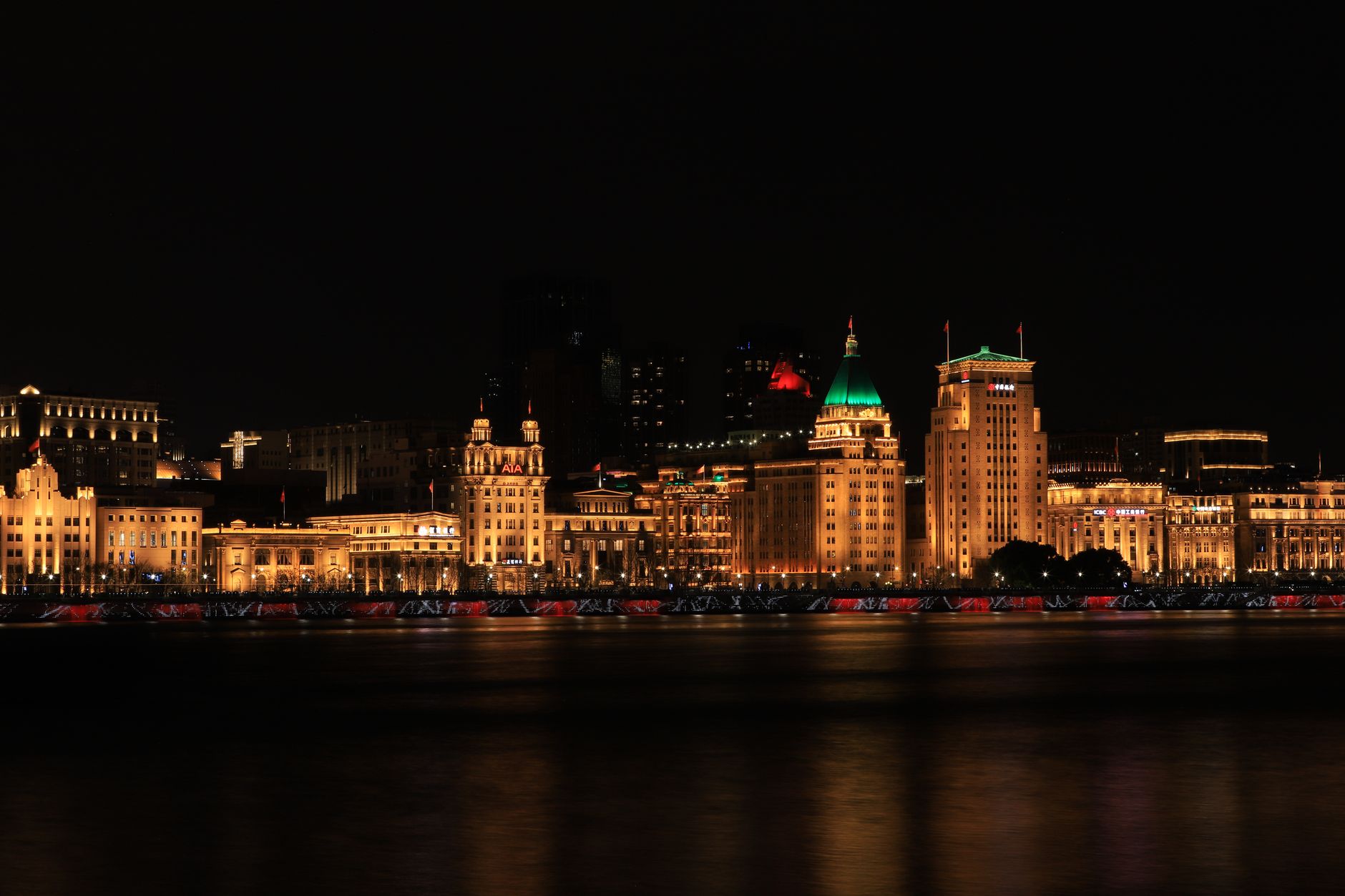
The illuminated colonial buildings of the Shanghai Bund at night
Day 7: Future Shanghai
Cross the river to Pudong for the skyscrapers. Go up the Shanghai Tower, the tallest building in China, for the highest observation deck, or the retro-futuristic Oriental Pearl Tower. In the afternoon, slow down in the lanes of Tianzifang, a maze of art studios, cafes and boutiques in a restored shikumen neighbourhood.
Day 8: Water Town and Departure
If your flight is late, take a half-day trip to Zhujiajiao, a 1,700-year-old canal town on Shanghai's edge, with stone bridges and boat rides: a gentle, photogenic finish before you head to the airport.
Getting Between the Cities
High-speed rail is the backbone of this trip. Beijing-Xi'an takes roughly 4.5-6 hours on most G-trains, with the fastest services doing it in about 4h10m; Xi'an-Shanghai runs about 6 hours. Both are comfortable daytime rides: book a few days ahead, especially around holidays, using our guide to booking China train tickets. Not sure which seat or train to pick? See China's high-speed train types explained. For the longer legs you can also fly, which saves a couple of hours but adds airport transfer time.
Book Trains & Hotels
Trip.com: Golden Triangle trains + hotels in one booking
Some links are affiliate links; we may earn a commission at no extra cost to you.
Official 12306
Free official China rail ticketing
Some links are affiliate links; we may earn a commission at no extra cost to you.
Where to Stay
Base yourself centrally in each city: near Wangfujing or the Drum Tower in Beijing, inside or just outside the City Wall in Xi'an, and around the Bund, People's Square or the former French Concession in Shanghai. Our guide to where to stay in China breaks down the best neighbourhoods and booking tips.
Practical Tips
- Book the big sights online in advance: the Forbidden City, Terracotta Army and Shanghai Tower all use timed, capped tickets, and your passport is required. Forbidden City tickets go on sale 7 days ahead; strongly advisable to book at least 5 days ahead at peak times.
- Reserve trains early for the Beijing-Xi'an and Xi'an-Shanghai legs, especially in summer and around Chinese holidays.
- Set up mobile payments (Alipay or WeChat Pay) before you arrive: almost everything is cashless.
- Pace the days: each city has one big half-day sight (Wall, Terracotta Army, Bund): don't try to stack two.
- Mind the seasons: spring and autumn are ideal; summer is hot and humid in all three cities.
Frequently Asked Questions
Is 8 days enough for Beijing, Xi'an and Shanghai? Yes. Eight days gives you three full days in Beijing, two in Xi'an and three in Shanghai, with high-speed trains connecting them. It's the classic "Golden Triangle" length and covers all the key icons.
What's the best order: Beijing, Xi'an or Shanghai first? Most travellers start in Beijing, go to Xi'an, then finish in Shanghai (or the reverse). All three have major international airports, so you can fly into one and out of another to avoid backtracking.
Should I take the train or fly between cities? High-speed trains are comfortable, central-to-central and scenic. Beijing-Xi'an takes about 4.5-6 hours and Xi'an-Shanghai about 6 hours; flying saves time on the longer leg but adds airport transfers and check-in.
Do I need a visa for the Golden Triangle? Beijing, Xi'an and Shanghai are all 240-hour visa-free transit ports, so many travellers passing through to a third country qualify. Otherwise you'll need a tourist visa: check our visa guides above.
When is the best time to do this trip? April-May and September-October offer the most comfortable weather across all three cities. Avoid the early-October national holiday week, when sights and trains are packed.
Ready to build it out? Open the Beijing, Xi'an and Shanghai destination guides for detail, then use the My Trip planner to save this Golden Triangle route as a drag-and-drop, day-by-day plan.
Common Mistakes
- Trying to add a fourth city: eight days across Beijing, Xi'an and Shanghai is already full, and extra stops mean rushing.
- Leaving inter-city high-speed trains unbooked until the last minute, when the fast daytime G-trains on these popular corridors can sell out.
- Not pre-booking timed tickets for the Forbidden City, Great Wall and Terracotta Army, all of which sell out and need your passport.
- Underestimating travel and transfer time between cities and stacking a big sight onto a train day.
Who This Is For
- A great fit for first-time visitors who want China's three signature cities and the Great Wall in one efficient, train-linked loop.
- Less ideal if you prefer to go deep in one place, or want rural landscapes and nature over big-city icons.
Sources
- Emperor Qinshihuang's Mausoleum Site Museum (official) · Emperor Qinshihuang's Mausoleum Site Museum
- China Extends 240-hour Visa-Free Transit Policy · National Immigration Administration of China