Quanzhou
Quanzhou Maritime Museum: Hours, Galleries & Visit Guide (2026)
Quanzhou Maritime Museum visitor guide for 2026
Quanzhou Maritime Museum, whose Chinese name is Quanzhou Maritime Museum, is the most useful place to understand the trading networks, ships and communities behind Quanzhou’s maritime past. Visit early in your stay if the city’s temples, docks, bridges and inscriptions feel like disconnected landmarks. The museum’s displays supply the historical framework that links them.
Quanzhou’s UNESCO-listed property represents a maritime trading system that flourished during the 10th–14th centuries. Its component sites cover production, transport, commerce, administration and religious life. The museum is an interpretation stop rather than a substitute for those historic places, but it helps first-time visitors understand why the sites belong to one story.
What can you see at the Donghu Street museum?
Start with the first-floor exhibition about Quanzhou as a world maritime trade center during the Song and Yuan periods. The official exhibition description records 501 sets comprising 663 objects, supported by maps, video, touchscreens, models and reconstructed scenes. Its purpose is to explain the background and significance of Quanzhou’s 22 heritage components.
This is the best section for building a mental map of the city. Pay attention to how inland production areas, roads, bridges, urban institutions and coastal facilities supported one another. That system matters more than memorizing individual dates.
Continue to China Boats World on the second floor, in the east and west exhibition halls. The display follows the development of watercraft and introduces vessels used in different Chinese regions, together with shipbuilding and navigation knowledge. A dedicated municipal account of the gallery reports more than 160 types of ship model. Looking at hull shapes and intended uses makes the technical side of maritime history easier to follow than it would be through text panels alone.
Room access and temporary displays may change. Treat these two documented exhibitions as the core of your plan, then check the museum’s current exhibition notices for anything additional.
Is the Song-period ship in the main building?
No. This is the detail most likely to cause a wasted journey.
The Donghu Street museum and the Quanzhou Bay Ancient Ship Exhibition Hall are separate sites. The ancient ship hall is inside Kaiyuan Temple. An official municipal account of that hall identifies its central display as a Song-period ship excavated at Houzhu Port in Quanzhou Bay. The museum’s current opening-information page continues to list the ancient ship hall separately from the Donghu Street campus.
If the ship is a priority, save both Chinese names in your phone:
- Main museum: Quanzhou Maritime Museum, Donghu Street Campus
- Ancient ship hall: Quanzhou Bay Ancient Ship Exhibition Hall, inside Kaiyuan Temple
Do not assume that a driver or map search for Maritime Museum will choose the site you intend to visit. Show the full Chinese destination before setting off.
What are the current opening hours in 2026?
The museum’s official page lists the Donghu Street campus as open Tuesday through Sunday from 09:00 to 17:30, with final entry at 17:00. It also lists extended hours on China’s statutory public holidays, from 09:00 to 19:00, with final entry at 18:30.
The same page lists the Quanzhou Bay Ancient Ship Exhibition Hall as open Tuesday through Sunday from 09:00 to 17:30, with final entry at 17:00. It additionally states that this hall closes on the 26th day of each lunar month.
These are operational details and can be changed by maintenance, severe weather or a special notice. Recheck the official museum homepage shortly before traveling, especially for a holiday visit.
What is the address, and how should you get there?
The official address of the main campus is:
Donghu Street, Fengze District, Quanzhou425Hao
425 Donghu Street, Fengze District, Quanzhou
Use the Chinese address in a Chinese map or ride-hailing app. This is more dependable than searching only for an English translation of the museum’s name. Confirm that the result points to Donghu Street rather than Kaiyuan Temple.
Public transport routes and stop names can be revised, so this guide does not repeat older bus listings. Ask your map app to calculate the route from your real departure point on the day of the visit.
Do you need a ticket or reservation?
The current opening-information block on the official homepage gives hours, addresses and a service telephone number, but it does not state a general admission price or a universal reservation rule. For that reason, do not base your plans on an undated third-party ticket listing.
Check the museum’s official website or service account before visiting. If you need confirmation about admission, group visits or holiday controls, the service number published by the museum is 0595-22100561.
How should you organize the visit?
Begin on the first floor with the World Heritage interpretation exhibition. It explains the city-wide trading system and gives context to places you may see later. Move to China Boats World after that, when the functions of ports, routes and maritime trade are already clear.
Read selectively. First identify the links between production, inland transport, the city and the harbor. Then choose a few ship models and compare their hulls and purposes. This approach is easier to retain than photographing every label.
Plan the ancient ship hall as a separate stop. Because it is inside Kaiyuan Temple and follows an additional lunar-calendar closure rule, it should not be treated as another room in the Donghu Street building.
When does the museum fit best in a Quanzhou itinerary?
The museum works well near the beginning of a heritage-focused trip, before visiting several UNESCO components. It is also a sensible indoor activity when outdoor sightseeing is uncomfortable. Season matters less than checking the weekly schedule, public-holiday notices and the ancient ship hall’s lunar closure.
Avoid placing the museum at the end of a tightly scheduled day. Final entry is earlier than closing time, and the documented permanent exhibitions reward unhurried reading.
Frequently asked questions
Are Quanzhou Maritime Museum and the ancient ship hall the same place?
They belong to the same museum institution but occupy different locations. The main campus is at 425 Donghu Street. The ancient ship hall is inside Kaiyuan Temple.
Which gallery should a first-time visitor see first?
Start with the first-floor exhibition about Song–Yuan Quanzhou as a world maritime trade center. It provides the framework needed to understand the ships and the city’s heritage sites.
Is the museum open on Mondays?
The official schedule lists regular opening from Tuesday through Sunday. Check for a separate holiday notice when a statutory holiday affects the weekly pattern.
Can I rely on an old bus route or admission listing?
No. Use live map directions for transport and verify admission or reservation arrangements through the museum’s official channels.
What should I search for in a Chinese map app?
For the main site, search Quanzhou Maritime Museum and confirm Donghu Street425Hao. For the separate ship display, search Quanzhou Bay Ancient Ship Exhibition Hall and confirm that the result is inside Kaiyuan Temple.
Highlights
- First-floor interpretation of Quanzhou’s Song–Yuan maritime trading system and 22 heritage components
- China Boats World, a second-floor exhibition with more than 160 types of ship model
- Clear historical context for Quanzhou’s UNESCO-listed network of production, transport and trade sites
- Main campus at 425 Donghu Street, with its Chinese address published by the museum
- Separate Quanzhou Bay Ancient Ship Exhibition Hall inside Kaiyuan Temple
Travel Tips
Save the Chinese address
Show Donghu Street, Fengze District, Quanzhou425Hao in your map or ride-hailing app so you reach the Donghu Street campus rather than the separate ship hall.
Start on the first floor
See the World Heritage interpretation exhibition before China Boats World. The city-wide trading system makes the ship displays easier to understand.
Treat the ship hall as another stop
The Quanzhou Bay Ancient Ship Exhibition Hall is inside Kaiyuan Temple and also closes on the 26th day of each lunar month.
Recheck visitor rules
Opening notices can change. Verify hours, admission and any reservation requirement through the official museum page or service number before traveling.
More to see in Quanzhou
Tianjin Tianhou Palace: Hours and Address
Quanzhou Tianhou Temple: World Heritage Visit Guide (2026)
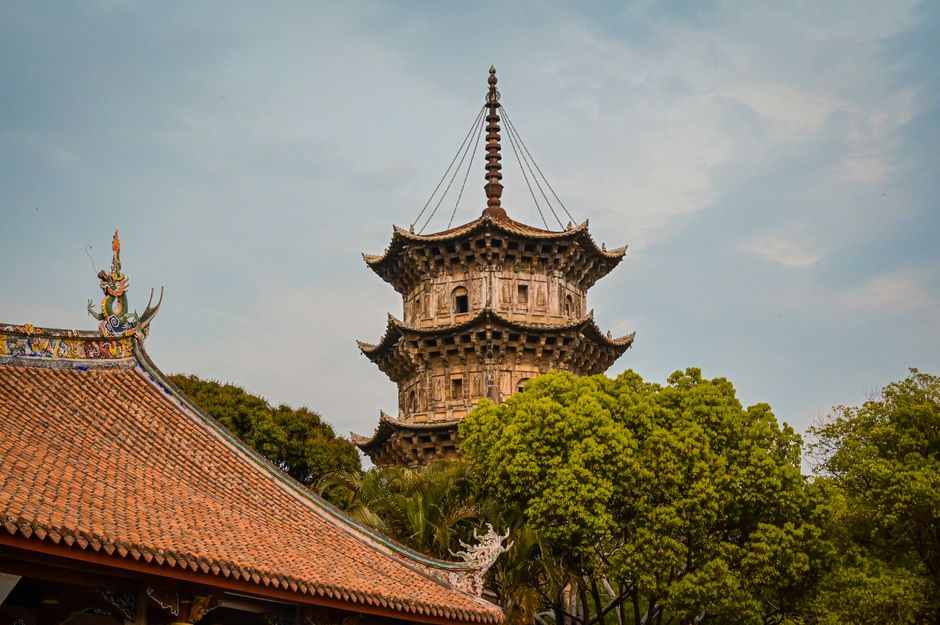
Quanzhou Kaiyuan Temple: Free Entry, Twin Pagodas & Visit Guide (2026)
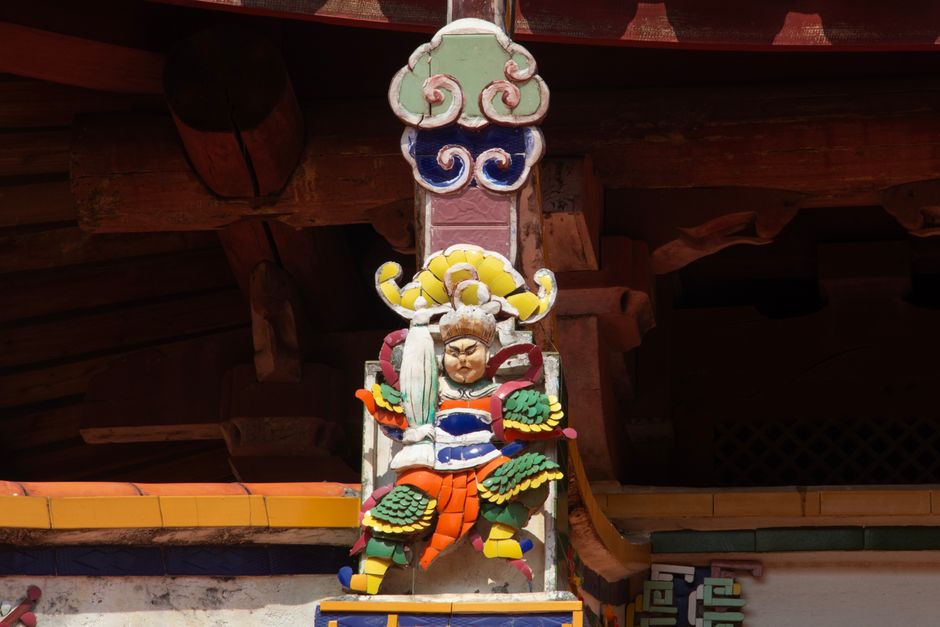
Quanzhou Kaiyuan Temple 2026: Free Entry, Hours and Visit Tips
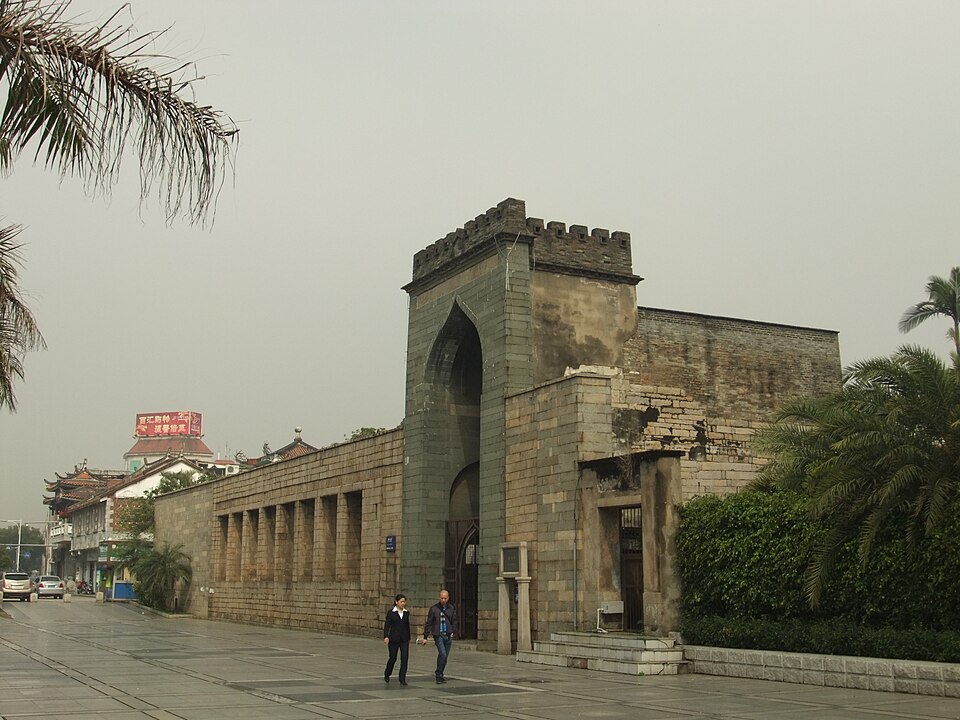
Qingjing Mosque, Quanzhou: History and Visit Guide (2026)