Quanzhou
Quanzhou Tianhou Temple: World Heritage Visit Guide (2026)
Quanzhou Tianhou Temple links Mazu worship to the maritime trade that shaped the city during the Song and Yuan periods. Founded in 1196 under the name Shunji Temple, it stands at the southern end of Quanzhou’s old city, facing the Jinjiang River and the historic route toward the coastal ports. The temple remains a place of worship, so visit it as both a heritage monument and a religious space. [1][2]
Why is Quanzhou Tianhou Temple important?
Mazu is a sea deity traditionally invoked for protection by sailors and coastal communities. As Quanzhou grew into a major maritime trading center, worship at this temple became closely connected with merchants, seafarers and government ceremonies. The Quanzhou Municipal Government describes it as an important center from which Mazu belief spread beyond the region. [1][2]
The temple also belongs to the heritage system represented by “Quanzhou: Emporium of the World in Song-Yuan China.” UNESCO inscribed the serial property on the World Heritage List in 2021. The property explains how religious buildings, administrative sites, production centers, docks, bridges and other transport infrastructure worked together during Quanzhou’s commercial peak from the tenth to fourteenth centuries. [3]
The founding date matters because the complex has accumulated several architectural periods. The stone foundations retain Song-period evidence, while much of the surviving wooden architecture reflects later rebuilding and repair. Reading the site in layers is more useful than treating the whole complex as an unchanged twelfth-century temple. [2]
What should you look for inside the temple?
The present complex faces south and covers roughly 6,800 square meters. Its central route runs through the main gate, theatrical stage, worship courtyard, Tianhou Hall, Bedchamber Hall and Grooming Building. Side rooms, wings and pavilions enclose the courtyards. Pause after entering to understand this sequence before concentrating on individual decorations. [1]
The principal points to examine are:
- Tianhou Hall: The main worship space contains the image of Tianhou. Its surviving principal structure took shape during the nineteenth century. The raised granite base carries auspicious reliefs, including carp, horses and cranes. [2]
- Worship courtyard: This is not simply an empty architectural space. It is used for Mazu ceremonies, particularly around the deity’s birthday on the twenty-third day of the third lunar month. [2]
- Bedchamber Hall: The building contains a pair of sixteen-sided diabase columns associated with Yuan-period Hindu stonework. Their decoration uses Chinese auspicious imagery, offering a small but telling example of cultural exchange in a trading port. [2]
- Historic mural: Behind the main hall is a large Qing-period mural depicting the architectural arrangement of the Mazu temple on Meizhou Island. [2]
Visitors do not need specialist knowledge to read these details. Start with the central axis, then compare the formal worship halls with the smaller side structures. Look at stone bases and columns before the painted and carved decoration above them.
Why should you visit Deji Gate at the same time?
The Site of Deji Gate stands directly outside the temple and changes how the whole area makes sense. The gate and its connected wing wall were first constructed in 1230. The entrance was expanded in 1352, gained a barbican during the Ming period and remained in use until the twentieth century. Archaeological excavation in 2001 exposed remains from successive construction phases across an area of about 2,000 square meters. [4]
This pairing shows the relationship between belief, trade and urban planning. Tianhou Temple served a maritime community, while Deji Gate controlled a principal approach to the commercial quarter near the river. Visit the exposed gate foundations first if you want the clearest historical sequence. From there, enter the temple and follow its south-to-north central axis.
Do not rush past the gate because it lacks standing towers. Its granite remains, former moat areas and overlapping walls record how Quanzhou expanded toward the river. The temple becomes easier to understand once you have seen that urban setting.
How do you plan a visit in 2026?
Use the Chinese name Quanzhou Tianhou Temple and the address Nanmen Tianhou Road, Quanzhou urban area1No. in a Chinese map or show them to a driver. The municipal government places the Mazu culture exhibition in the rear Bedchamber Hall at this address. [5]
This guide does not publish fixed daily opening hours or an admission price because a current, item-specific official visitor notice was not available. Temporary closures can occur during severe weather. A dated local report confirmed that Tianhou Temple reopened to visitors on July 12, 2026, after a typhoon-related closure. Check the Quanzhou cultural heritage authorities or a current notice on the day of your visit. [6]
Once inside, remember that worship continues alongside sightseeing. Keep voices low near the main image, avoid standing between worshippers and the altar, and follow posted photography restrictions. Incense smoke can be present in active areas, so step back into the courtyard if it becomes uncomfortable.
For a focused visit, use this order:
- Examine the exposed structures at Deji Gate.
- Cross to the temple and identify the main central axis.
- Spend time at Tianhou Hall and its carved granite base.
- Continue to the Bedchamber Hall for the stone columns and Mazu displays.
- Return through the courtyard, checking the stage and side buildings from the opposite direction.
When is the most meaningful time to go?
The temple has religious value throughout the year. The official heritage description notes that worshippers gather around Mazu’s birthday, observed on the twenty-third day of the third lunar month. Choose that period if your priority is living ritual and community activity. Choose a date away from the festival if you want more space to study the architecture. Festival access arrangements can change, so confirm them through a dated notice rather than relying on a previous year’s schedule. [2]
Frequently asked questions
Is Quanzhou Tianhou Temple part of a UNESCO World Heritage Site?
Yes. It forms part of the heritage system of Quanzhou’s Song-Yuan maritime emporium, inscribed by UNESCO in 2021. The temple represents the religious and institutional life connected with maritime commerce. [1][3]
What is the temple’s most important feature?
Its value comes from the complete relationship among the worship halls, courtyards, surviving historic fabric and neighboring Deji Gate. First-time visitors should prioritize Tianhou Hall, the Bedchamber Hall columns and the view back toward the gate site.
Are the opening hours and admission fixed in 2026?
Do not assume that older schedules remain valid. The site had reopened after a short weather closure by July 12, 2026, but this does not establish permanent hours or ticket rules. Check a dated official notice shortly before arrival. [6]
Can non-worshippers visit?
The July 2026 reopening notice confirms public visitation. Observe the space quietly and give ceremonies priority. [6]
Is Deji Gate a separate attraction?
It is a distinct archaeological site, but it sits immediately outside Tianhou Temple. Seeing both together provides a clearer account of Quanzhou’s southern commercial district than visiting either one alone. [4]
Highlights
- Follow the south-facing central axis from the main gate and theatrical stage to Tianhou Hall and the rear buildings.
- Inspect the auspicious stone reliefs around the raised granite base of Tianhou Hall.
- See the sixteen-sided stone columns in the Bedchamber Hall, evidence of artistic exchange in maritime Quanzhou.
- Study the Qing-period mural depicting the Mazu temple complex on Meizhou Island.
- Pair the temple with the excavated Site of Deji Gate directly outside.
- Understand how Mazu worship became connected with Quanzhou’s Song-Yuan maritime trading community.
Travel Tips
Search with the Chinese name
Enter Quanzhou Tianhou Temple and Nanmen Tianhou Road, Quanzhou urban area1No. in a Chinese map, or show both to a driver.
Check a dated visitor notice
Hours, access rules and weather closures can change. Confirm the same day through Quanzhou’s cultural heritage authorities.
Start at Deji Gate
Examine the gate foundations before entering the temple; the sequence makes the old commercial district easier to understand.
Respect active worship
Keep voices low, avoid blocking the altar or worshippers, and follow posted rules for photography and incense areas.
More to see in Quanzhou
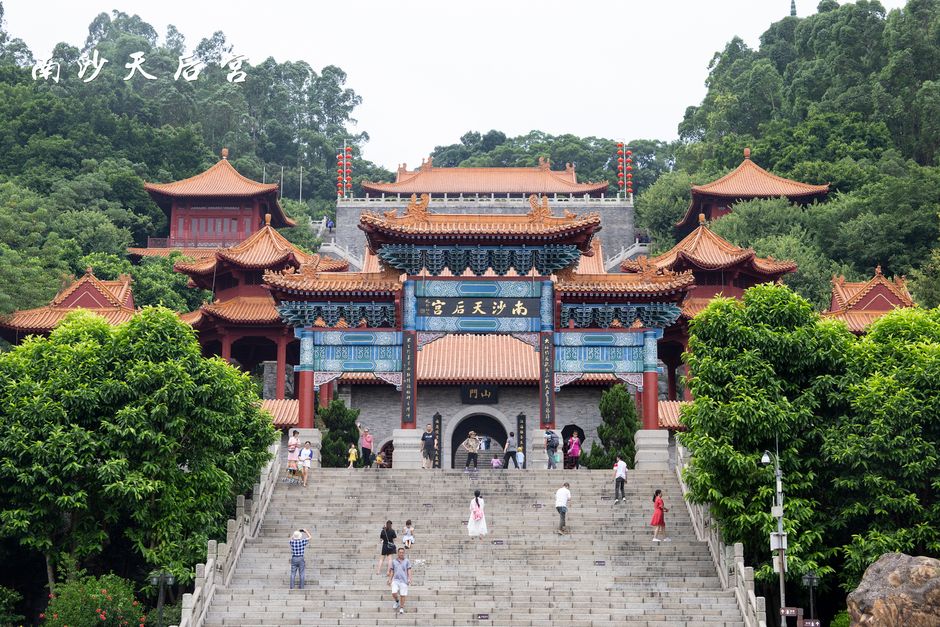
Tianjin Tianhou Palace: Hours and Address
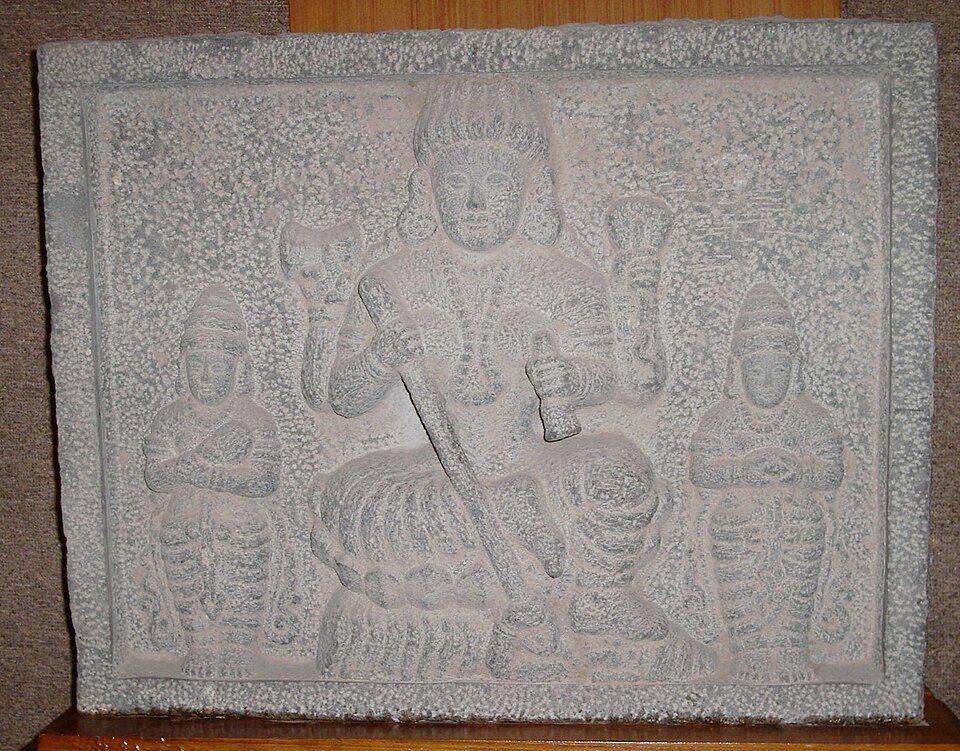
Quanzhou Maritime Museum: Hours, Galleries & Visit Guide (2026)
Quanzhou Kaiyuan Temple: Free Entry, Twin Pagodas & Visit Guide (2026)
Quanzhou Kaiyuan Temple 2026: Free Entry, Hours and Visit Tips
Qingjing Mosque, Quanzhou: History and Visit Guide (2026)