CN
Qingdao
Qingdao Travel Guide: Things to Do, 3-Day Itinerary and Tips for 2026
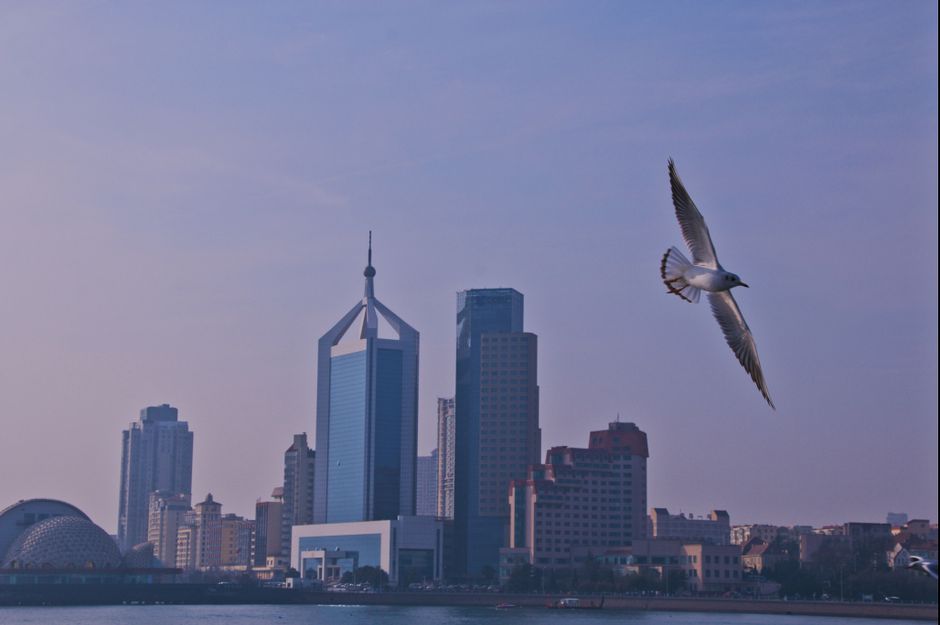
Qingdao works best when you treat it as three places in one: a walkable historic port around Zhanqiao, a modern waterfront around May Fourth Square, and a mountain coast at Laoshan. Three full days cover the essentials without turning the trip into a race. Add another day if you want more beach time or a slower mountain hike.
Why visit Qingdao?
Qingdao’s appeal comes from the meeting of hills, urban beaches, historic streets and the Yellow Sea. The municipal government describes a humid, temperate climate with four distinct seasons; summer receives the largest share of the city’s annual rainfall. That matters when planning outdoor days, especially at Laoshan. See the official Qingdao natural environment profile.
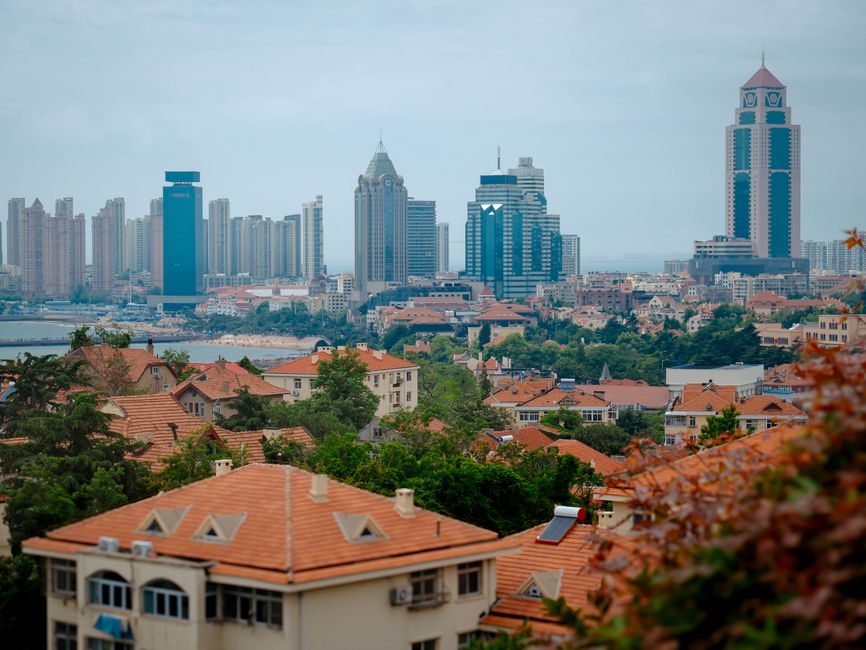
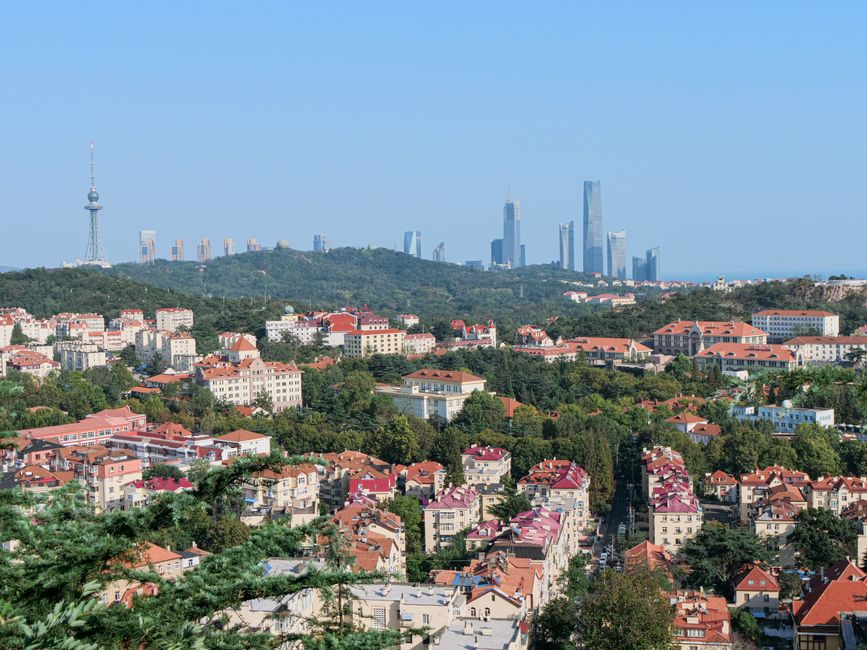
The city’s western center contains the older port and much of its early twentieth-century architecture. Farther east, broad promenades, May Fourth Square and the Olympic Sailing Center frame Fushan Bay. Laoshan lies beyond the dense urban coast and deserves a separate day.
What are the top things to do in Qingdao?
Walk from Zhanqiao into the old city
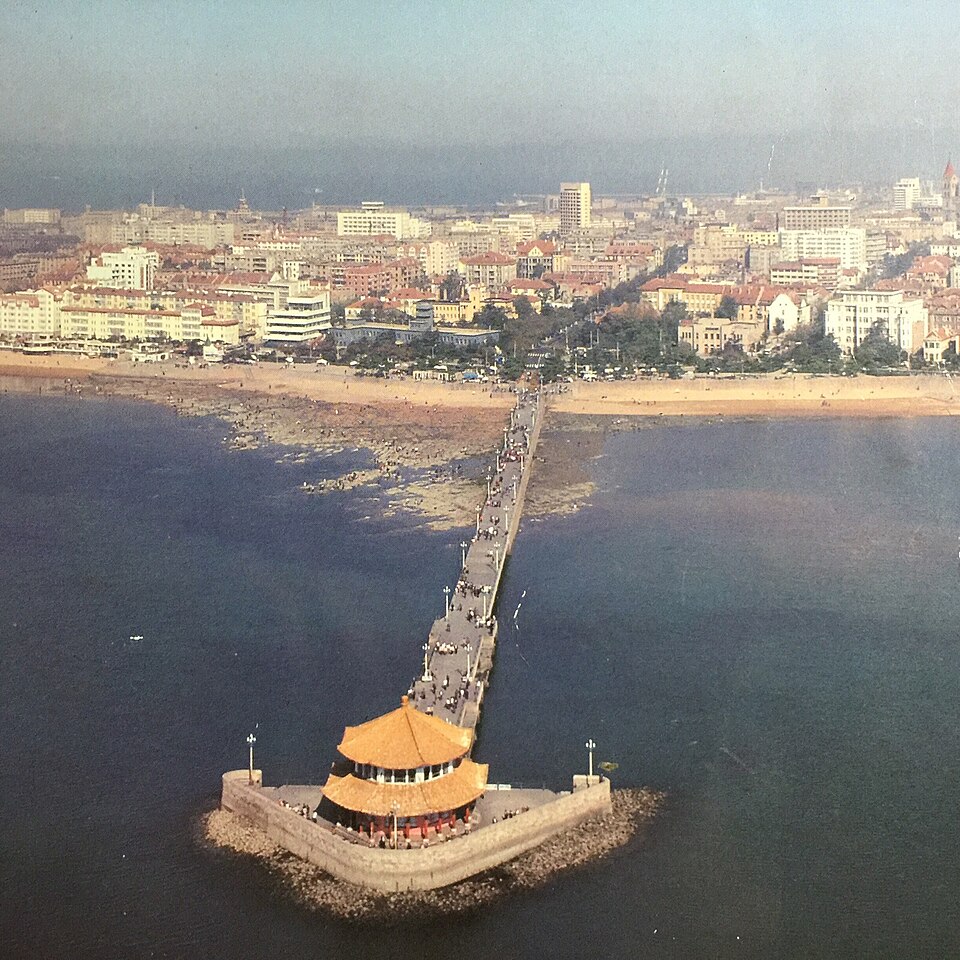
Start at Zhanqiao, the pier extending into Qingdao Bay from the southern end of Zhongshan Road. It was built in 1892 and later expanded, with the octagonal Huilan Pavilion added at its seaward end. The official Zhanqiao history explains its development from working pier to city landmark.
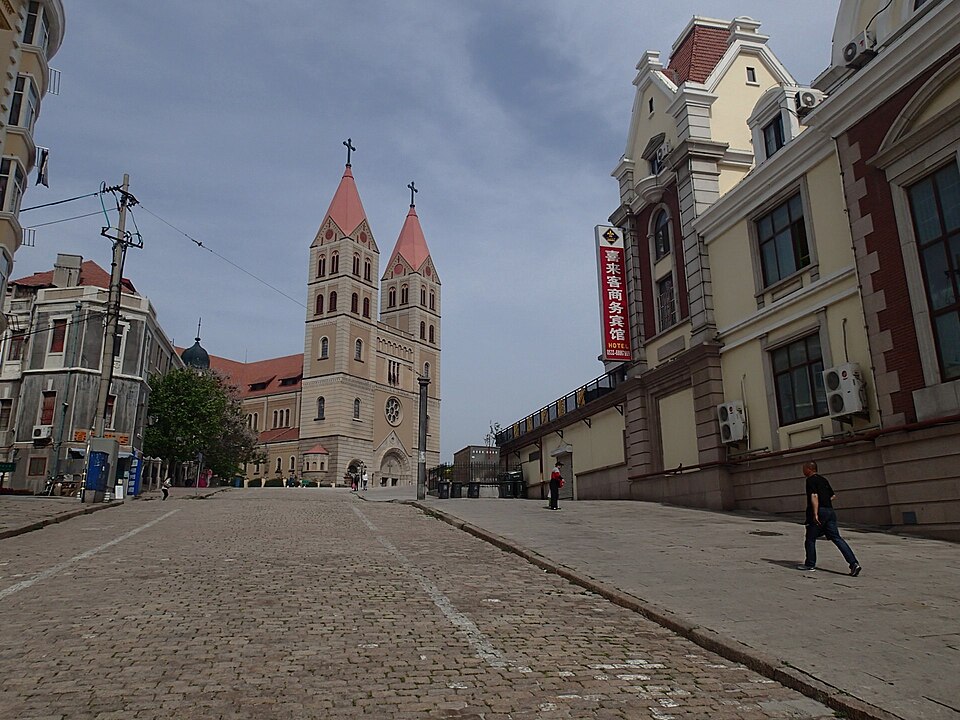
Continue uphill through the old city toward Zhejiang Road. St Michael’s Cathedral, built from 1932 to 1934, is one of the area’s clearest architectural markers. Its location and history are documented on the Qingdao government cathedral page. The municipal tourism bureau’s suggested old-city route links Zhanqiao, Zhongshan Road, the cathedral area and Pichaiyuan.
This district rewards wandering, but its slopes and irregular street pattern can make a short route tiring. Save the locations you want before setting out and wear shoes with grip after rain.
Explore Badaguan on foot
Badaguan occupies a leafy coastal area between Taiping Cape and Huiquan Cape. Developed in the 1930s, it contains more than 300 buildings influenced by architectural styles from several countries. Its name refers to streets named after historic Chinese mountain passes. The official Badaguan profile provides the historical background.
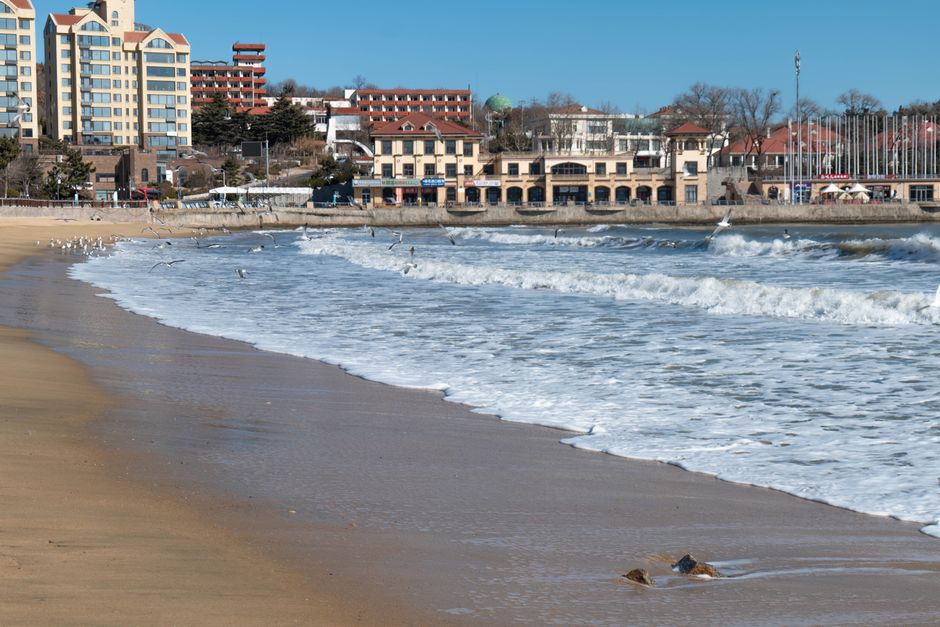
Do not approach Badaguan as a checklist of façades. Pick two or three streets, follow the lanes toward the water and leave room for the coastal paths. It pairs naturally with the nearby bathing-beach area, although sea conditions and local safety notices should decide whether you swim.
See Fushan Bay after sunset
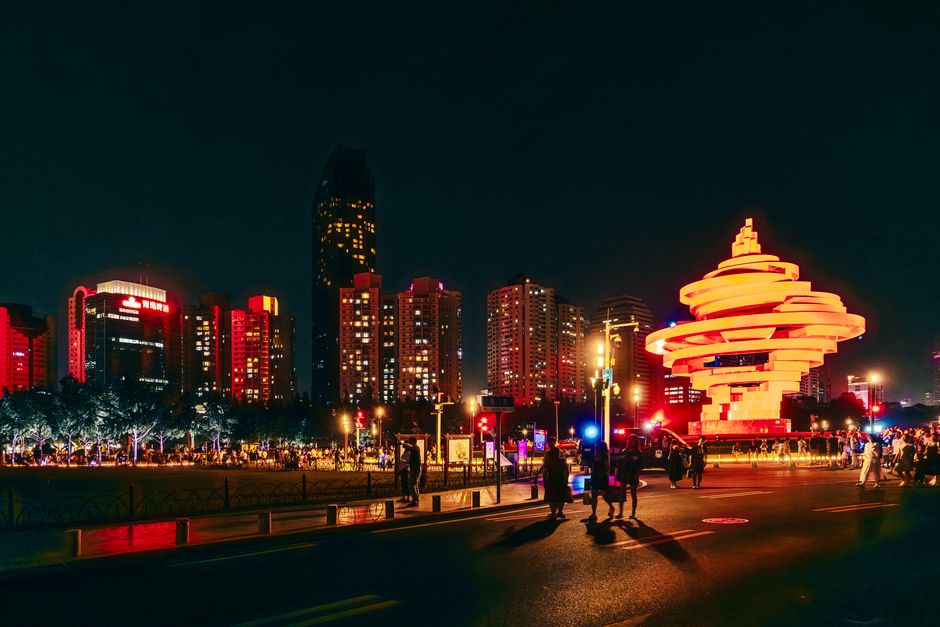
May Fourth Square was named for the May Fourth Movement and the Qingdao sovereignty dispute that helped trigger it. The square faces Fushan Bay and is anchored by the red May Wind sculpture. The city’s May Fourth Square page gives its official history.
From the square, continue along the waterfront to the Olympic Sailing Center. The complex hosted the sailing competitions associated with the 2008 Olympic and Paralympic Games, as described by the Qingdao government’s sailing-center profile. Late afternoon lets you see the bay in daylight and remain for the illuminated skyline.
Understand the city through beer
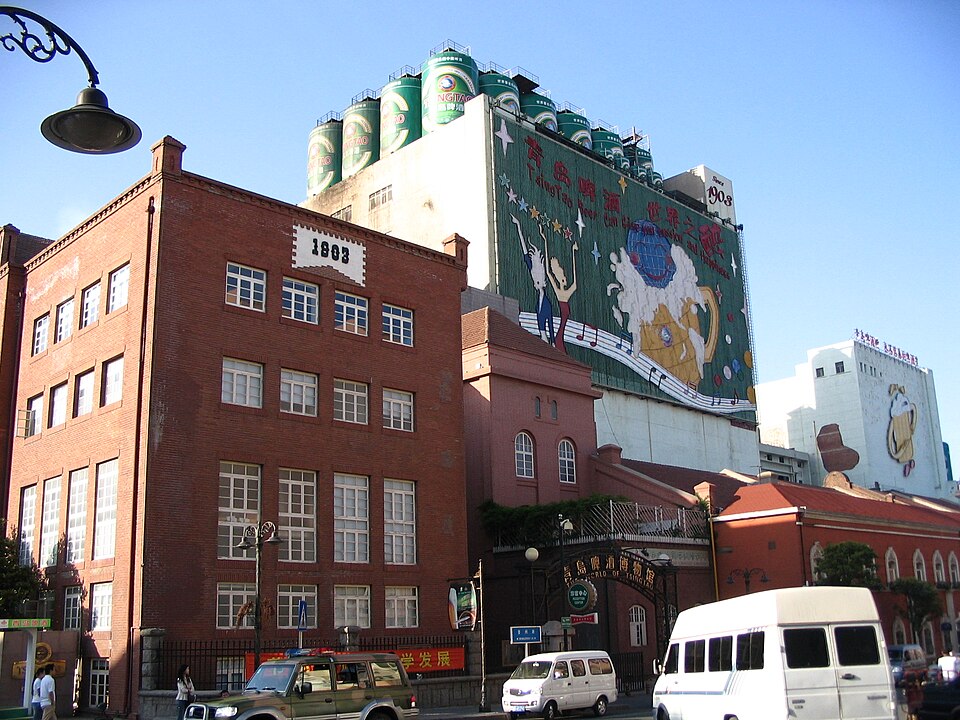
The Tsingtao Beer Museum occupies the brand’s historic production site on Dengzhou Road. Displays connect the 1903 brewery, early equipment and the evolution of the brewing process. Check the museum’s official website for current admission products, opening times and booking rules before visiting.
The museum makes more sense as industrial history than as a simple tasting stop. Visitors who do not drink can still follow the production story and view the preserved factory setting. Families should check the descriptions of individual experiences before purchasing a ticket package.
Give Mount Laoshan a full day
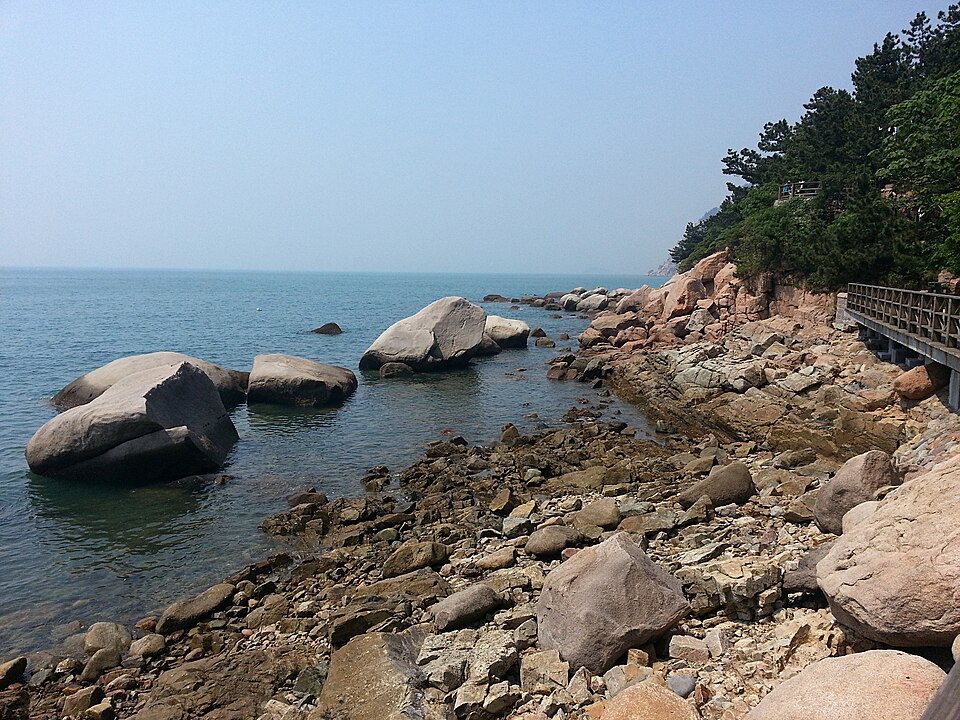
Laoshan brings granite mountains, coastal scenery, villages and religious sites together east of central Qingdao. Routes enter different parts of the scenic area, so choosing a named route before departure is more useful than asking a driver simply to take you to Laoshan.
Access arrangements can change. Since March 25, 2026, private vehicles using the Yangkou-to-Yakou tourism road have required a free, limited reservation through the official Laoshan channel. Vehicles without a reservation must remain outside that controlled section, with visitors transferring to authorized transport or public transit. Read the 2026 Laoshan vehicle notice before planning a self-drive day.
Carry water, sun protection and a light rain layer. Start early, avoid combining Laoshan with multiple central-city attractions, and check weather and scenic-area notices on the morning of departure.
How many days do you need in Qingdao?
A practical first visit takes three full days:
| Day | Morning | Afternoon and evening |
|---|---|---|
| 1 | Zhanqiao, Zhongshan Road and the cathedral area | Pichaiyuan or nearby old-city lanes, followed by a relaxed dinner |
| 2 | Badaguan and the coastal paths | May Fourth Square and the Olympic Sailing Center |
| 3 | One selected Laoshan route | Continue the mountain visit and return to the city |
With a fourth day, add the Tsingtao Beer Museum and spend the remaining time at a beach, museum or café according to the weather. If you have only two days, keep one day for the old city and modern waterfront, then choose between Laoshan and the beer museum according to your interests.
When is the best time to visit Qingdao?
For walking and mountain time, late spring and early autumn offer the best compromise in my view. Summer suits travelers focused on the coast, but it is also Qingdao’s rainiest season according to the city’s climate profile. Pack for humidity and showers rather than assuming every day will be clear.
Autumn works well for seafood-focused visits. Winter is quieter and can feel sharp beside the water, so bring wind-resistant layers. Check a short-range forecast shortly before travel because coastal conditions can change the feel of the day.
How do you get to and around Qingdao?
Qingdao Jiaodong International Airport is connected to Qingdao North Railway Station by Metro Line 8. The airport also integrates rail, coach, taxi and ride-hailing options. The city government’s airport transport overview confirms the Metro Line 8 link beneath the terminal.
Do not assume that every train marked Qingdao uses the same station. Check the exact arrival station on your ticket before choosing a hotel or arranging a pickup. Qingdao Station is convenient for the old-city portion of this itinerary, while Qingdao North is the principal metro connection for the airport.
Within the central districts, metro plus walking is usually the simplest combination. Use a licensed taxi or app-based car when carrying luggage, returning late or reaching a trailhead that is awkward by transit. Keep the destination name and address in Chinese on your phone.
What should you eat in Qingdao?
Seafood is central to the local table. Common Qingdao specialties include Spanish mackerel dumplings and rice served with sea cucumber; the city’s 2026 tourism coverage also identifies fresh seafood as a major draw. See the Qingdao government food and tourism report.
At seafood restaurants, confirm the price and unit before ordering, especially when seafood is sold by weight. Ask for the cooked weight or portion size to be written down if the display is unclear. Travelers with shellfish allergies should show a translated allergy note because broths and dumpling fillings may contain seafood even when it is not obvious.
Where should first-time visitors stay?
Choose Shinan District if this is your first visit and you want convenient access to the old city, Badaguan and Fushan Bay. Stay closer to Qingdao Station for historic streets, or farther east around May Fourth Square for the modern waterfront and business district.
A hotel near a metro station is more useful than one that appears close on a map but sits uphill or across a major road. Laoshan accommodation suits travelers prioritizing the mountain and coast, but it adds travel time to old-city sights.
Frequently asked questions
Is Qingdao easy to explore without a car?
Yes for the old city, Badaguan and the Fushan Bay waterfront. Metro, walking and occasional taxis cover those areas. Laoshan needs more planning because the scenic area has separate entrances and controlled internal transport.
Should I book Laoshan before arriving?
Check the official scenic-area channel before departure. Ticketing, route access and vehicle reservations are separate issues, and the Yangkou-to-Yakou road has specific reservation rules in 2026.
Is the Tsingtao Beer Museum only for beer drinkers?
No. Its preserved industrial setting and brewing-history displays give context to one of Qingdao’s best-known industries. Check ticket options if you want an experience without tastings.
Which part of Qingdao is best for a short visit?
Base yourself in Shinan District. It places the old city, Badaguan and the modern Fushan Bay waterfront within a manageable sightseeing plan.
What is the most common planning mistake?
Trying to combine Laoshan with several central-city sights. Give the mountain its own day, then group the old city and waterfront attractions geographically.
Highlights
- Walk from Zhanqiao through Zhongshan Road and the cathedral quarter to see Qingdao’s historic urban core.
- Explore Badaguan’s tree-lined streets and varied early twentieth-century architecture beside the coast.
- Visit May Fourth Square and continue to the Olympic Sailing Center for an evening on Fushan Bay.
- Trace the city’s industrial identity inside the historic Tsingtao Beer Museum complex.
- Reserve a full day for one clearly chosen route through the Mount Laoshan scenic area.
- Try local seafood dishes such as Spanish mackerel dumplings after confirming prices and portion sizes.
Travel Tips
Treat Laoshan as a separate day
Choose a specific scenic route before leaving and check the official ticket, weather and transport notices that morning.
Verify your railway station
Qingdao Station and Qingdao North Station serve different parts of the city, so confirm the station printed on your ticket.
Stay near useful transport
For a first visit, a Shinan District hotel near the metro gives practical access to both the old city and Fushan Bay.
Confirm seafood pricing
Ask whether the displayed amount is per dish, per portion or by weight, and request the final quantity before cooking.