Qingdao Culture and Traditions: Beer, Folk Arts & Etiquette (2026)
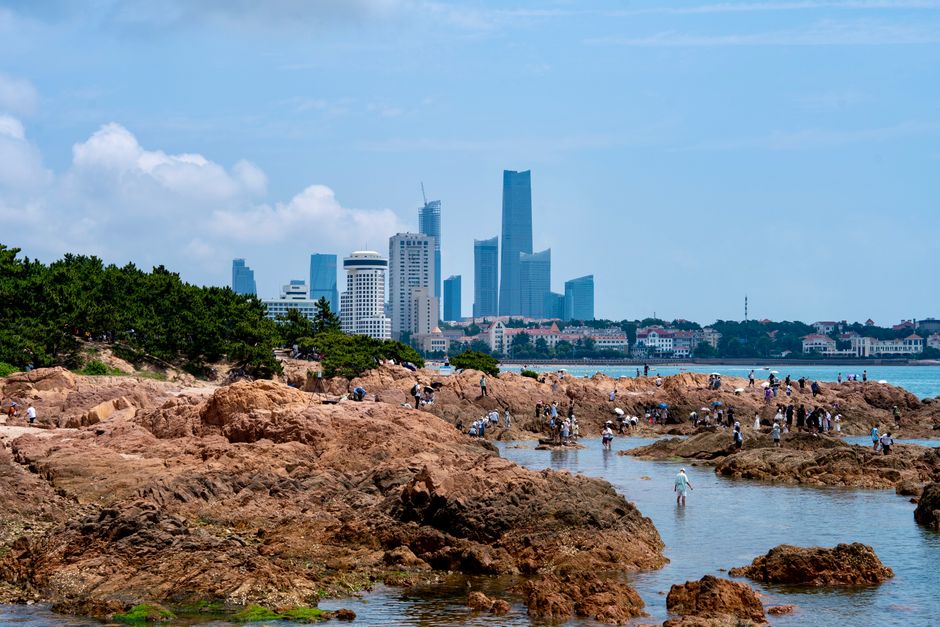
Qingdao makes more sense when you look beyond its red roofs and waterfront skyline. The city’s identity comes from several layers: older maritime beliefs, Shandong folk traditions, the architecture and industry left by foreign occupation, and a modern public culture shaped by beer, cinema and life beside the Yellow Sea.
This guide explains where travelers can encounter those layers, what local customs mean and how to participate without treating living traditions as staged entertainment.
What shaped Qingdao culture?
Qingdao is often introduced through its German-era buildings, but that is only one chapter. Tianhou Temple was founded in 1467, centuries before Germany occupied the area. Its association with Mazu, the protective sea deity, reflects the concerns of fishing and trading communities that depended on safe voyages.
German occupation at the end of the nineteenth century changed the city’s street plan, architecture and industrial development. Churches, administrative buildings, houses and the early brewery complex remain visible in the historic center. They should be understood as colonial heritage rather than proof that Qingdao is culturally European.
Chinese residents also developed their own urban spaces. In the former Chinese quarter, courtyard compounds called liyuan combined enclosed communal living with architectural ideas circulating through the port. Dashicun and the Dabaodao area preserve this social history better than a quick photograph of a red-tiled villa.
A useful way to read Qingdao is through three connected themes:
- The sea: Mazu worship, fishing traditions, beaches, seafood and a direct relationship with coastal weather.
- The old city: protected colonial-era buildings, Chinese commercial streets and liyuan courtyards.
- Popular urban culture: fresh beer, neighborhood meals, public festivals, folk performance and cinema.
How does beer fit into everyday Qingdao life?
Beer is not just a souvenir here. The historic brewery and its surrounding neighborhood helped make brewing part of the city’s public identity. The Tsingtao Beer Museum occupies the early brewery site and presents brewing equipment, company history and the industrial story behind the brand. Check its official visitor notice before going because admission arrangements can change.
Away from the museum, fresh draft beer is associated with informal meals and neighborhood shops. The custom of carrying draft beer away in a plastic bag became one of Qingdao’s most recognizable street traditions. It is less common in polished tourist venues, but it still represents the local preference for beer served fresh and shared with food.
The Qingdao International Beer Festival turns that everyday association into a city-scale event. In 2026, the municipal government announced the 36th festival for July 17 to August 15, with principal venues in the West Coast New Area, Laoshan and the old city. Future editions may use different dates or venues, so verify the current municipal notice rather than relying on an old travel post.
You do not need to drink to take part in local social life. At a group meal, tea, juice or another soft drink is an acceptable choice. If someone proposes a toast, raising your glass is enough unless you want to drink. The word ganbei can imply finishing the glass, so do not use it casually if that is not your intention.
What should you eat to understand local food culture?
Qingdao’s table reflects the coast and the broader Jiaodong food tradition. Municipal tourism material regularly highlights steamed shellfish, clams, scallops, oysters, prawns and conch. Prawns cooked with Chinese cabbage are also presented as a representative Jiaodong dish.
The cultural point is not to collect a long checklist of dishes. Seafood meals are often shared, and the group may discuss what is fresh before ordering. These habits make the table a social space rather than a sequence of individual courses.
A few practical habits help:
- Ask for the price and portion before confirming an order, especially when seafood is sold by weight.
- Confirm whether the quoted amount covers the ingredient, preparation or both.
- Let the group decide how shared dishes will be divided before adding a separate order.
- Use communal serving utensils when provided.
- Do not pressure companions to drink. Beer is prominent, but alcohol is not a requirement for appreciating Qingdao culture.
Clams and fresh beer form the best-known local pairing, while steamed mixed seafood gives a broader introduction to the coast. Visitors with shellfish allergies should show a translated allergy note because broths and sauces can contain seafood even when it is not obvious.
Which folk traditions can travelers see?
Tianhou Temple and maritime belief
Tianhou Temple, now associated with the Qingdao Folk Customs Museum, is one of the clearest places to understand the city before its modern port expansion. Its New Year temple fair developed around Mazu worship and later incorporated folk arts and seasonal customs. During religious activity, stand back from worshippers, avoid blocking the central approach to an altar and ask before photographing a ritual or performer at close range.
Haiyun’an Sugar Ball Fair
The Haiyun’an fair grew from a temple gathering and became known for candied fruit, craft stalls and folk performances. The Qingdao municipal heritage description connects it with the period around the Lantern Festival and identifies it as a representative provincial intangible cultural heritage event. Current programs can differ from the historical lunar schedule, so check that year’s announcement before planning a trip around it.
At a crowded fair, watch first and join second. A performance in a public square may welcome photography, while a devotional act may not. Keep pathways open, dispose of food sticks safely and do not handle craftwork unless invited.
Jiaozhou Yangge
Jiaozhou Yangge is a local folk performance combining dance, song, instrumental accompaniment and dramatic roles. It entered China’s first national list of intangible cultural heritage in 2006. Its movement vocabulary is known for curved body lines, spiraling motion and contrasting male and female roles. The tradition is associated with Jiaozhou, within the wider Qingdao municipality, rather than the central waterfront alone.
Travelers are more likely to encounter it during a festival, organized cultural program or public holiday than during an ordinary walk through the city. If an audience participation segment is offered, follow the performer’s rhythm instead of copying movements from the edge of the stage without permission.
What does Laoshan add to Qingdao’s identity?
Mount Laoshan connects the city’s maritime landscape with Daoist culture. Taiqing Palace is presented by Qingdao’s municipal tourism authority as the mountain’s oldest and largest Daoist temple complex. The setting explains why Qingdao’s cultural geography extends beyond the urban waterfront: mountain paths, sacred sites and sea views belong to the same local imagination.
Treat active religious buildings as places of worship. Speak quietly, do not step across prayer cushions, and avoid touching statues or ritual objects. Some halls may restrict photography even when the surrounding scenic area allows it. Follow signs and staff instructions rather than assuming one rule applies to the whole mountain.
Why is film part of modern Qingdao culture?
UNESCO added Qingdao to its Creative Cities Network as a City of Film in 2017. The organization traces the city’s connection with cinema to the early twentieth century and notes its continuing role as a filming and production center.
This film identity is not as immediately visible as beer or architecture. Look for temporary screenings, exhibitions and festival programming, and notice how the old city, hills and waterfront are repeatedly used as visual settings. The modern production industry is one more expression of Qingdao’s habit of turning its built landscape into a public cultural asset.
A culture-focused day in Qingdao
Start in the historic center and compare a protected German-era building with the surrounding Chinese commercial streets. Continue to a liyuan area in Dabaodao, paying attention to the shared courtyard layout rather than only restored storefronts. Visit Tianhou Temple to place the port city’s maritime beliefs before its colonial period.
For lunch, order a few shared Jiaodong or seafood dishes and ask what is seasonal. In the afternoon, choose the Tsingtao Beer Museum for industrial history or seek a museum, screening or exhibition connected with Qingdao’s film culture. End with a neighborhood meal rather than trying to fit every landmark into the day.
This sequence reveals the city chronologically: maritime community, contested modern port, Chinese urban life, industry and contemporary culture.
Cultural etiquette visitors often miss
- Ask before close-up portraits. Public space is not automatic consent, especially at worship or folk performances.
- Keep criticism of the colonial period historically precise. Admiring a building’s design does not require romanticizing occupation.
- Share space at meals. Wait until everyone has access to a dish before taking a large portion.
- Accept a refusal gracefully. A performer, worshipper or craft seller may not want to be photographed.
- Separate observation from participation. Follow local cues before joining a dance, procession, toast or religious act.
- Learn two useful words. Ni hao means hello, and xiexie means thank you. A simple attempt is more useful than an elaborate phrase delivered without context.
Frequently asked questions
Is Qingdao culture mainly German?
No. German occupation left a major architectural and industrial layer, but Qingdao also has older maritime beliefs, Shandong folk traditions, Chinese courtyard culture and newer identities connected with beer and film. Tianhou Temple predates the colonial period by centuries.
Do I need to drink beer to enjoy local traditions?
No. The brewery museum, historic buildings, seafood culture and festival performances can be appreciated without alcohol. Tea and soft drinks are normal alternatives at a shared meal.
When is the best time to see a traditional festival?
The Lunar New Year and Lantern Festival period brings temple fairs and folk programs, while summer is associated with the international beer festival. Dates and venues change, so consult the Qingdao municipal government’s current event notice before booking around one festival.
Is Jiaozhou Yangge performed in central Qingdao every day?
No. It is a regional folk tradition usually seen in scheduled performances, holiday programs and cultural festivals. Look for an official program instead of expecting an informal daily show.
What is the most respectful way to visit a temple?
Dress and behave as you would in an active religious site: speak quietly, keep entrances clear, follow photography signs and do not touch ritual objects. Observe how worshippers move before approaching an altar area.
Qingdao’s culture is easiest to appreciate when you connect its places instead of treating them as separate attractions. Read the old city alongside the Chinese courtyards, pair the beer story with industrial history, and place the seafood table within a longer maritime tradition. That approach gives you a more accurate city than the familiar shorthand of beaches, red roofs and lager.
Sources
- Qingdao, UNESCO Creative City of Film · UNESCO Creative Cities Network
- Qingdao destination profile · Tourist Office of the People’s Republic of China
- Tsingtao Beer Museum official website · Tsingtao Beer Museum
- 36th Qingdao International Beer Festival: venues and 2026 dates · Qingdao Municipal People’s Government
- China’s Qingdao Beer Festival Taps Into a Thirsty Market · TIME
- Historic German buildings in Qingdao · Qingdao Municipal People’s Government
- Dabaodao and the history of Qingdao’s liyuan courtyards · Qingdao Municipal People’s Government
- Jiaozhou Yangge: intangible cultural heritage of Qingdao · Publicity Department of the CPC Shandong Provincial Committee
- Haiyun’an Sugar Ball Fair · Qingdao Municipal People’s Government
- Tianhou Temple New Year Folk Culture Fair · Qingdao Municipal People’s Government
- New Year traditions and Daoist sites at Mount Laoshan · Qingdao Municipal People’s Government
- Qingdao street food and representative seafood dishes · Qingdao Municipal People’s Government