CN
Foshan
Foshan Travel Guide: Kung Fu, Lingnan Gardens, Shunde Food and a 2-Day Itinerary (2026)
Foshan sits beside Guangzhou in Guangdong’s Pearl River Delta, but it rewards more than a quick detour. The city is closely associated with southern Chinese martial arts, lion dancing, Cantonese opera, Shiwan ceramics and Shunde cooking. Its best-known cultural sites include Foshan Ancestral Temple, Qinghui Garden and Xiqiao Mountain.
Two days give first-time visitors a sensible introduction. Use the first for Chancheng’s temples, historic lanes and pottery, then devote the second to Daliang in Shunde. A single day still works if you stay around Foshan Ancestral Temple and Lingnan Tiandi.
What are the best things to do in Foshan?
| Place | What to see | Planning information |
|---|---|---|
| Foshan Ancestral Temple Museum | Ming and Qing architectural details, the Confucius Temple, Wong Fei-hung Memorial Hall, Ip Man Hall and martial-arts displays | Check the museum’s official WeChat account before visiting for the current ticket price, opening hours, last-entry time and performance schedule. |
| Lingnan Tiandi | Restored lanes, traditional façades, restaurants, cafés and shops | The district retains 22 heritage sites and connects directly with Zumiao Metro Station. Businesses set their own hours. |
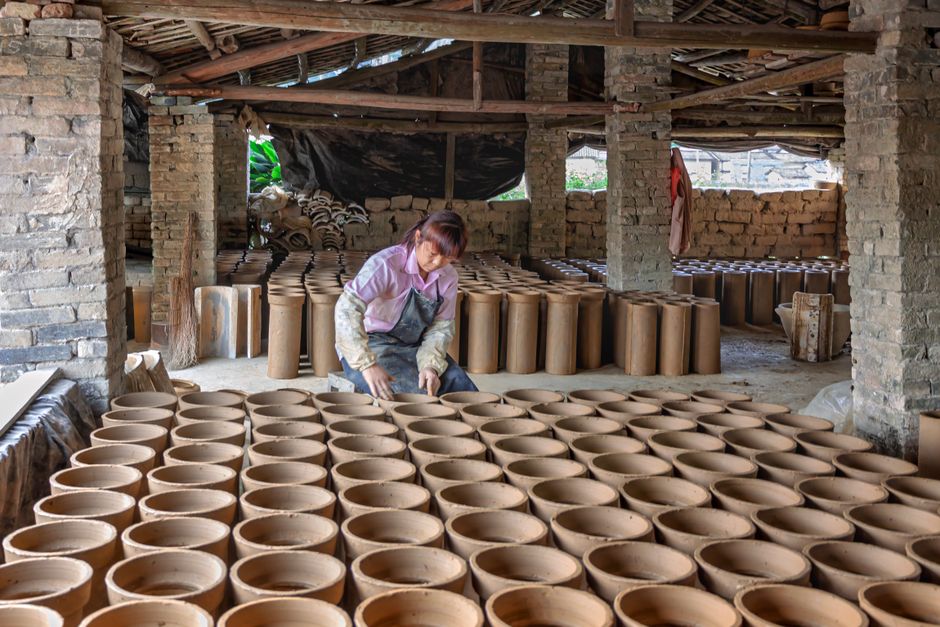
| Nanfeng Ancient Kiln | A working dragon kiln and Shiwan pottery culture | The kiln was built during the Ming dynasty’s Zhengde period and has fired ceramics for more than 500 years. Check current admission and workshop times before going. |
| Qinghui Garden Museum | Ponds, pavilions, covered corridors, carved decoration and compact Lingnan garden design | Admission is ¥15. Open 09:00–17:30, last entry 17:00. Daliang Zhonglou Station on Foshan Metro Line 3 is about 450 metres away. |
| Xiqiao Mountain | A nature and heritage excursion outside central Chancheng | Reserve most of a day and confirm the current ticket, internal transport and weather before departure. |
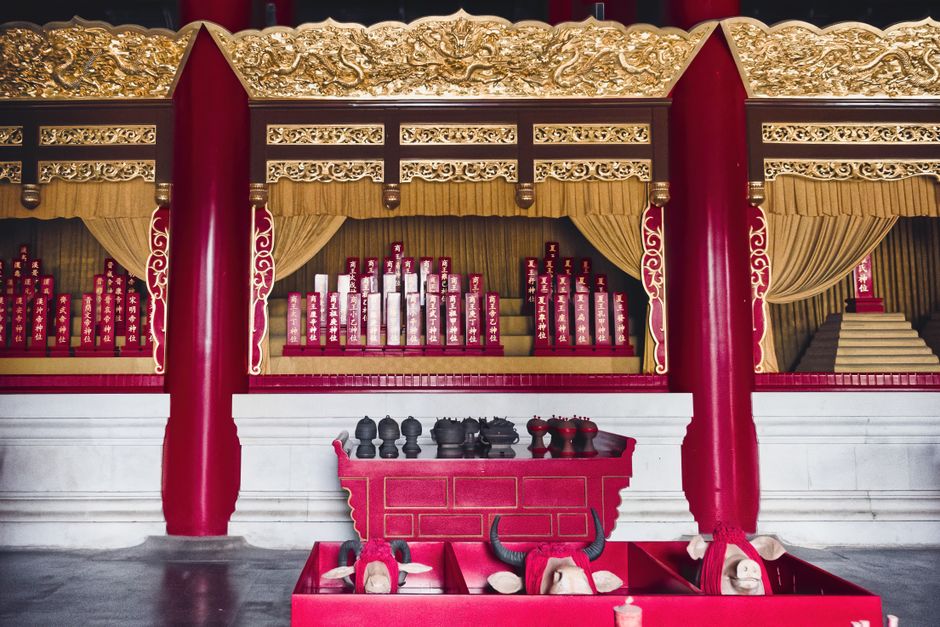
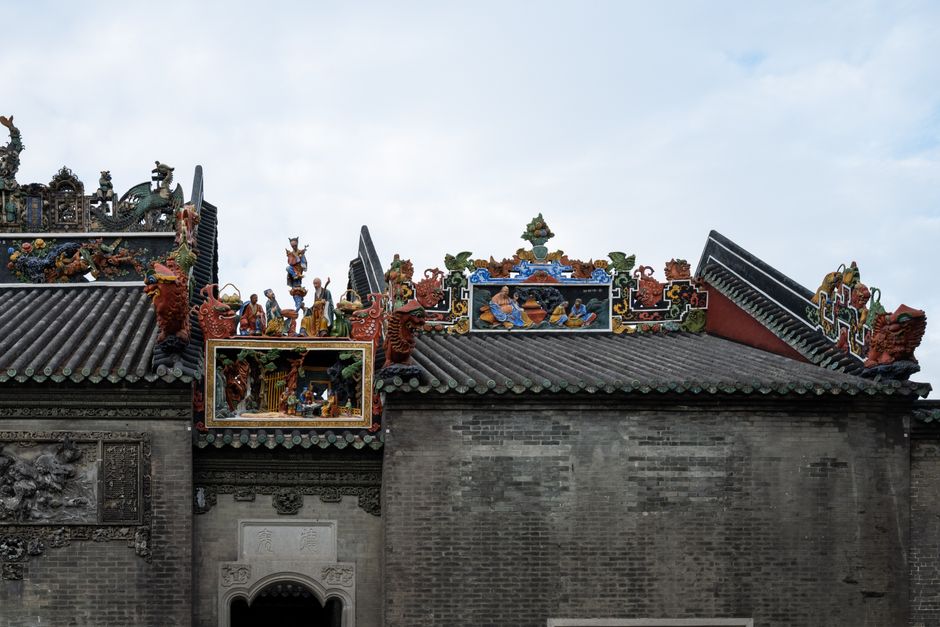
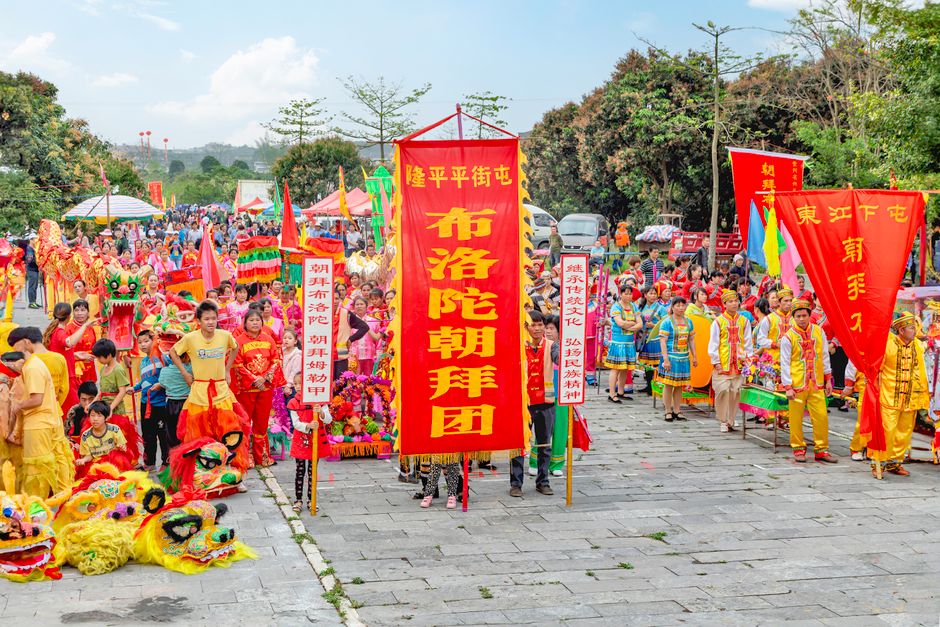
Start with Foshan Ancestral Temple. The complex dates back to the Northern Song period, while the museum also presents Taoist traditions, local folk art and the stories of Wong Fei-hung and Ip Man. A visitor notice for the 2026 Spring Festival listed lion-dance sessions at 10:00, 14:15 and 15:30 for that holiday period, weather permitting. Do not treat those times as a year-round schedule. Check the museum’s official WeChat account for the programme applying on the day of your visit.

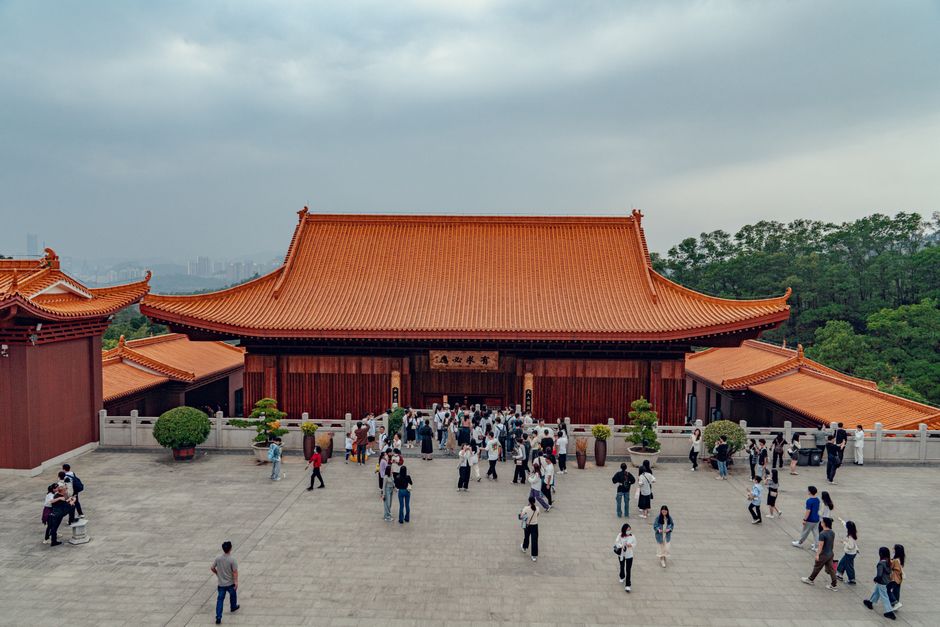
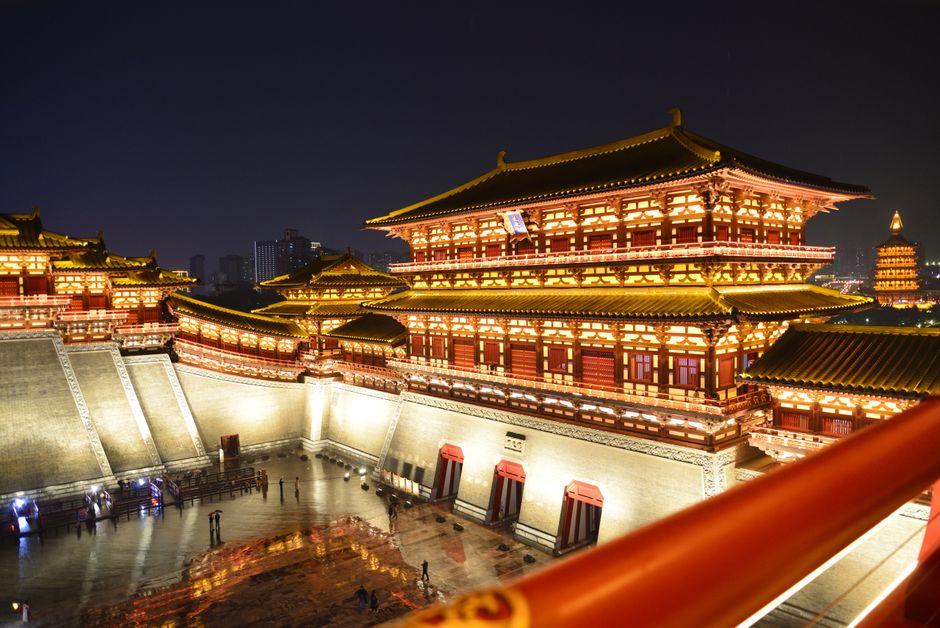
Entrance of Foshan Ancestral Temple in Chancheng
Walk into Lingnan Tiandi after the museum. It works best as an unhurried street walk rather than another checklist attraction. Look at the grey-brick houses and restored historic structures, then stop for lunch or return after dark for dinner. The area’s direct metro access also makes it a convenient base for a first visit.
Nanfeng Ancient Kiln adds a different side of Foshan. Shiwan’s ceramic tradition is not presented as a static archaeological display: the historic dragon kiln has remained in use for more than five centuries. Allow time for the kiln structure, pottery shops and any workshop that is operating that day.
Is Qinghui Garden worth the trip to Shunde?
Yes, especially when paired with a food-focused afternoon in Daliang. Qinghui Garden is one of Foshan’s principal Lingnan gardens, with water, shaded corridors, pavilions and ornamental openings arranged in a compact space. The museum’s official site lists a ¥15 standard ticket and timed entry periods within its 09:00–17:30 opening day.
Arrive near opening time if photography matters to you. Narrow corridors and framed garden views feel calmer before tour groups gather. Keep your ticket or electronic confirmation accessible until you leave.

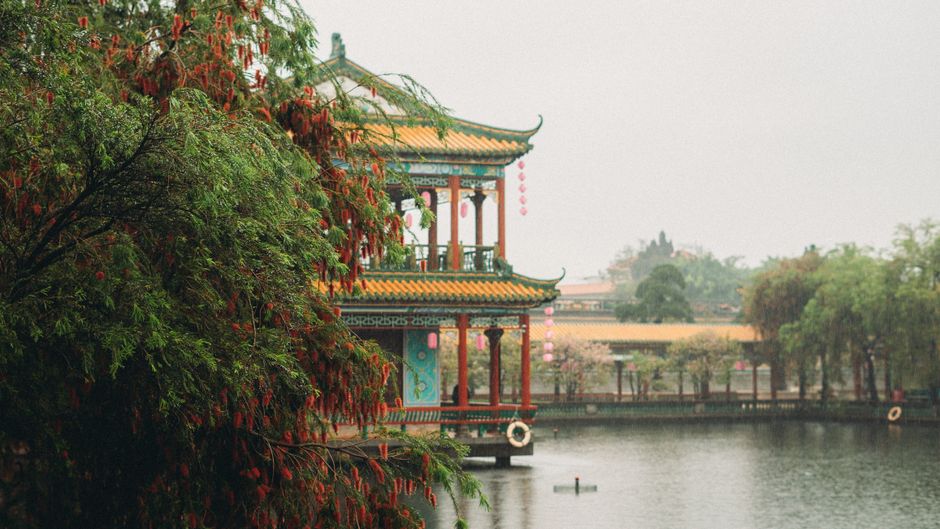
Pond and pavilions inside Qinghui Garden
Daliang Zhonglou Station makes the garden easier to combine with central Foshan than older guides suggest. Still, do not squeeze Qinghui Garden, a long lunch and Chancheng’s major sites into the same half-day. Shunde deserves its own block of time.
How many days do you need in Foshan?
Day 1: Chancheng culture and ceramics
- Reach Zumiao Station in the morning.
- Visit Foshan Ancestral Temple and check whether a lion-dance performance is scheduled that day.
- Eat lunch and walk through Lingnan Tiandi.
- Continue to Shiwan for Nanfeng Ancient Kiln.
- Return to the Zumiao area for dinner.
Day 2: Qinghui Garden and Shunde food
- Travel to Daliang Zhonglou Station and enter Qinghui Garden near opening time.
- Walk around central Daliang before lunch.
- Order several Shunde dishes to share rather than filling up on one plate.
- Add a dessert stop for double-skin milk.
- Return to Chancheng or Guangzhou after dinner, allowing extra transfer time.
Travelers with a third day can consider Xiqiao Mountain. Choose it for an outdoor day, not as a rushed addition between urban attractions.
What food should you try in Foshan?
Shunde has belonged to the UNESCO Creative Cities Network as a City of Gastronomy since 2014. Local cooking is known for protecting the natural flavour and texture of ingredients, particularly fish and milk dishes.
Useful names to save in Chinese before ordering include:
- Double-skin milk, 双皮奶: a chilled or warm milk custard associated with Daliang.
- Stir-fried milk, 炒牛奶: soft milk curds, often cooked with other ingredients.
- Chencun rice noodles, 陈村粉: thin rice noodles served with different sauces and toppings.
- Lunjiao rice cake, 伦教糕: a lightly sweet, slightly fermented rice cake.
- Jun’an fish cake, 均安鱼饼: seasoned dace shaped into cakes and fried.
Shunde portions often suit sharing. For two people, one fish or meat dish, one vegetable, one staple and a dessert provide a better survey than ordering several heavy specialties. Ask for the price of market-priced seafood before confirming an order. Travelers avoiding raw freshwater fish should say so clearly and select cooked preparations.
When is the best time to visit Foshan?
Foshan has a warm, rainy, humid subtropical monsoon climate, with an annual mean temperature reported between 21.2°C and 22.2°C. Weather data indicate that mid-October through late November usually offers the most comfortable balance for outdoor sightseeing.
Spring can be pleasant but changeable. Pack a compact umbrella and shoes that handle wet stone. Summer is hot, humid and rainy, so place museums and long meals around the hottest hours. Winter is mild compared with northern China, although damp, unheated interiors can feel cooler than the thermometer suggests.
Check the forecast shortly before any Xiqiao Mountain visit. Rain can also affect outdoor lion-dance performances at the Ancestral Temple when they are scheduled.
How do you get to Foshan from Guangzhou?
From Guangzhou South Railway Station, Foshan Metro Line 2 provides a direct urban-rail connection into Foshan. The interchange passage links the Foshan and Guangzhou metro systems inside the station area; the published walk between systems is about 500 metres and takes roughly six minutes.
From central Guangzhou, the Guangfo Line is usually the clearest route toward Zumiao and central Chancheng. Confirm the best interchange in a live transit app because departure points and service patterns differ across Guangzhou.
For Qinghui Garden, use Foshan Metro Line 3 to Daliang Zhonglou and follow the official walking route for about 450 metres. A taxi or app-booked car is useful when carrying luggage or moving between districts late in the day.
Chinese government guidance says foreign visitors can buy single metro tickets and may use Alipay transit codes where supported. Keep some renminbi cash as a backup, particularly if an overseas card fails verification.
Where should you stay in Foshan?
Choose the area according to your itinerary:
- Around Zumiao Station: the simplest first-time base, with the Ancestral Temple, Lingnan Tiandi, restaurants and the Guangfo Line nearby.
- Central Daliang: better for travelers whose priority is Shunde food and an early visit to Qinghui Garden.
- Guangzhou: workable for a Chancheng day trip, but less convenient if you want a relaxed Shunde dinner.
If you have two nights and dislike backtracking, spend one night near Zumiao and one in Daliang. Confirm that the property accepts international guests and bring the passport used for the booking.
What should international visitors prepare?
Install Alipay or WeChat before arrival and try linking an international card. Current Chinese government guidance lists Visa, Mastercard, UnionPay, American Express, JCB, Diners Club and Discover among the card networks that can be linked, although support and fees vary by payment product and issuing bank. Carry a physical card and a modest amount of renminbi as backups.
Save these place names in Chinese:
- 佛山市祖庙博物馆, Foshan Ancestral Temple Museum
- 岭南天地, Lingnan Tiandi
- 南风古灶, Nanfeng Ancient Kiln
- 清晖园博物馆, Qinghui Garden Museum
- 大良钟楼站, Daliang Zhonglou Station
Screenshots help when mobile data drops. Show the Chinese destination name to a driver and compare it with the map pin before departure.
Foshan travel FAQ
Is Foshan a good day trip from Guangzhou?
Yes. Use the Guangfo Line for Zumiao or Line 2 from Guangzhou South. For one day, focus on the Ancestral Temple, Lingnan Tiandi and either Nanfeng Ancient Kiln or a long local meal.
Should I choose Chancheng or Shunde?
Choose Chancheng for martial arts, lion dancing, historic architecture and ceramics. Choose Shunde for Qinghui Garden and a deeper food trip. With two days, visit both.
Do I need to reserve attraction tickets?
Qinghui Garden uses timed visit periods. For Foshan Ancestral Temple, check the museum’s official WeChat account for current ticketing and reservation instructions. Reserve ahead where available for weekends and Chinese public holidays, then recheck opening notices before travel.
Can foreign visitors use mobile payment in Foshan?
Yes. Chinese government guidance permits foreign phone numbers and supported overseas bank cards in Alipay, WeChat Pay and UnionPay. Card verification can fail, so keep cash and a physical card available.
What is the most efficient first visit?
Book accommodation near Zumiao, spend one full day in Chancheng, and give the next morning and afternoon to Daliang. This keeps the trip focused while covering Foshan’s martial arts, architecture, ceramics, gardens and food.
Highlights
- Watch a lion dance if one is scheduled and explore the Wong Fei-hung and Ip Man halls inside Foshan Ancestral Temple.
- Walk from Zumiao into Lingnan Tiandi, a restored district containing 22 heritage sites, restaurants and shops.
- See a Shiwan dragon kiln that has continued firing ceramics for more than 500 years at Nanfeng Ancient Kiln.
- Visit Qinghui Garden’s ponds, pavilions and covered corridors for a compact introduction to Lingnan garden design.
- Spend a food-focused afternoon in Shunde, a UNESCO Creative City of Gastronomy since 2014.
- Use Foshan’s metro links to combine central Chancheng and Daliang in a practical two-day itinerary.
Travel Tips
Check performance times
The 10:00, 14:15 and 15:30 lion-dance times came from a 2026 Spring Festival notice and are not a confirmed year-round schedule. Check the museum’s official WeChat account for the programme applying on your visit date.
Give Shunde enough time
Pair Qinghui Garden with lunch and dessert in Daliang instead of squeezing it between Chancheng attractions. The ¥15 garden ticket uses timed entry periods.
Prepare mobile payment backups
Link an international card to Alipay or WeChat before arrival, then carry a physical card and some renminbi in case verification or connectivity fails.
Save Chinese place names
Keep the Chinese names of your hotel, metro stations and attractions in screenshots. They are useful for drivers and when map searches return multiple locations.