Foshan
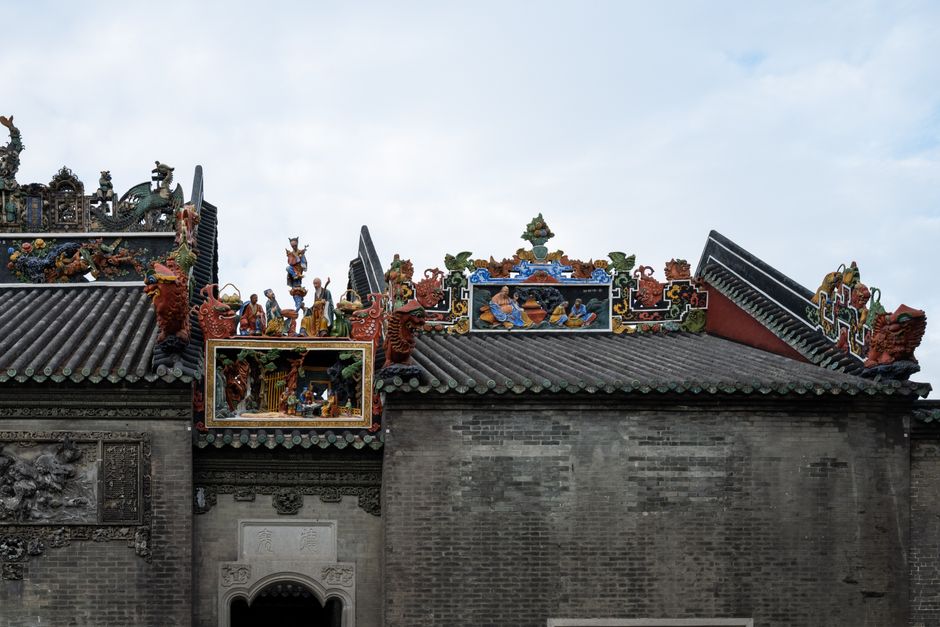
Liu Ancestral Hall, Former 686th Regiment Command Post, Feicheng
Liu Ancestral Hall and the 686th Regiment Command Post
Check the location before planning this visit: the documented site is in Donglufang Village, Anlinzhan Town, Feicheng, Shandong. It is not in Foshan, Guangdong. Treat it as part of a Shandong itinerary around Feicheng and Tai’an rather than adding it to a Foshan sightseeing day.
Why is this ancestral hall historically important?
During the Lufang fighting of May 1939, the Eighth Route Army’s 115th Division faced an encirclement in the hills around Lufang. A local account published by Dazhong Daily identifies the Liu Ancestral Hall in Donglufang as the command post used by the 686th Regiment. From this position, the regiment could connect west toward Feizhushan, east toward Langshan and remain near the divisional command position at Anjialin.
The distinction between billets and a battlefield command position matters. An official Tai’an oral-history article records that the 686th Regiment headquarters had initially been quartered in West Lufang, with its First Battalion in East Lufang and Second Battalion in Dadongzhuang. The ancestral hall is associated with the command position used during the fighting, not simply the regiment’s accommodation before combat.
The battle is commemorated locally on May 11. After fighting around the surrounding heights, the division and supporting units broke through the encirclement under cover of darkness. Local residents assisted as guides, carried supplies and sheltered wounded soldiers. This relationship between the military site, nearby villages and the terrain is the main reason to visit.
What should you look for at the site?
Begin with the hall’s position rather than expecting a large collection of objects. The surrounding sightlines help explain why a village ancestral building could serve as a command post. Identify the directions of Feizhushan, Langshan and Anjialin, then compare them with a map of the Lufang battlefield.
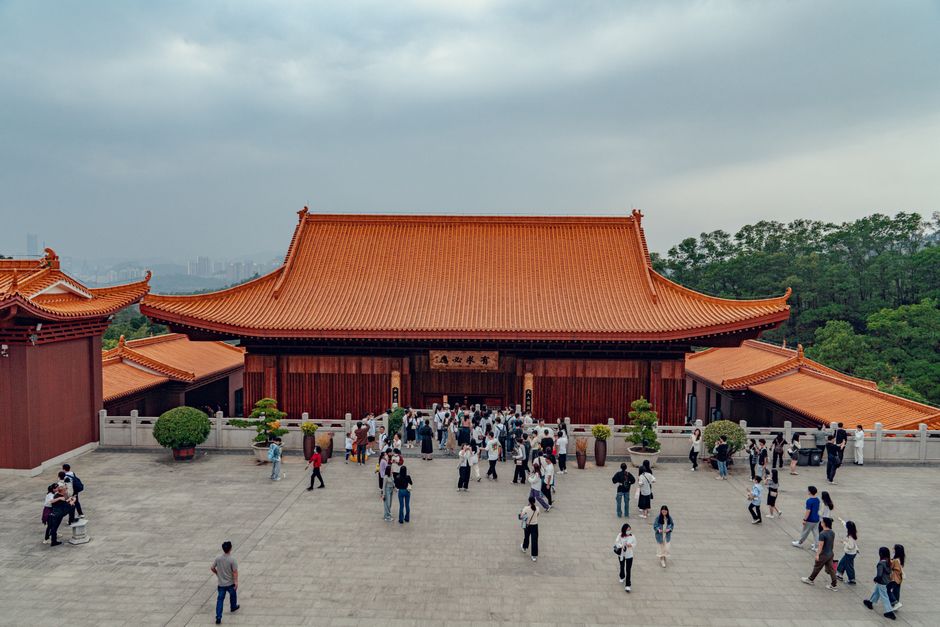
Look for any plaques, preserved architectural sections or local interpretation identifying the 686th Regiment. Documentation about the standalone hall is limited, so do not expect the staffed entrance, bilingual labels or fixed exhibition route found at a major museum. Ask before entering closed rooms or photographing residents and private areas.
Is it the same place as the Lufang Breakout Victory Memorial Hall?
No. The Liu Ancestral Hall is the former command-site building. The nearby Lufang Breakout Victory Memorial Hall is a purpose-built exhibition venue at the southern foot of Phoenix Mountain, north of Donglufang Village. It opened in 2015 and contains a main hall plus six exhibition areas covering the 115th Division’s arrival in Shandong, the battle, the breakout, civilian losses and the role of local residents.
Visit the memorial hall first if possible. Its maps and displays provide the context needed to read the ancestral hall and surrounding hills. The Tai’an authorities also report digital registration and multimedia guide systems at the memorial complex, although foreign-language availability is not specified.
What are the opening hours and ticket rules?
The available official pages do not publish separate opening hours, admission prices or reservation rules for the Liu Ancestral Hall. Do not assume that access follows the memorial hall’s arrangements. The current Trip.com listing for the nearby memorial hall publishes the contact number +86 538 6390511. Call ahead, or ask a Chinese-speaking hotel receptionist to confirm whether the ancestral hall can be entered on your intended date.
A closed gate does not mean the wider stop has no value. You can still visit the public memorial complex and study the village setting, but enter the ancestral hall only when local access is clearly permitted.
How do you plan the journey?
Use the complete Chinese name, Kangzhan Jinian Sheshi Yizhi Liu Shi Zongci Di115Shi686Tuan Zhihui Bu, together with Donglufang Cun and Anlinzhan Zhen in a Chinese map app. If the hall itself does not appear, navigate first to Lufang Tuwei Shengli Jinian Guan in Donglufang Village and ask locally for Liu Shi Zongci.
Do not navigate from the Foshan destination pin attached to some attraction records. Confirm that the map result shows Feicheng, Tai’an, Shandong before departing. Arrange the return journey in advance because this is a village heritage stop, not a central urban attraction with documented visitor transport.
When is the best time to visit?
Season is less important than daylight, clear visibility and confirmed access. The site’s historical meaning depends on seeing how the hall relates to the surrounding hills. Avoid arriving near dusk, especially on a first visit. Check local weather and call the memorial hall on the day if access to the ancestral hall is a priority.
How should visitors behave?
This is both a village building and a place associated with wartime deaths. Keep voices low, do not climb on old masonry and ask before photographing interiors or local people. Use neutral, respectful language when discussing the conflict. If a ceremony, school group or official education visit is underway, follow staff instructions and allow participants priority.
Frequently asked questions
Is this attraction in Foshan?
No. The documented location is Donglufang Village in Feicheng, under Tai’an, Shandong Province. Foshan is in Guangdong Province and should not be used as the navigation destination.
Can I enter without a reservation?
Standalone access rules for the ancestral hall are not published in the sources reviewed for this guide. Confirm locally before travelling.
Is there an English exhibition?
No official source reviewed here confirms English interpretation at the ancestral hall or the nearby memorial complex. Save translated place names and a short description on your phone before arriving.
What should I combine with the hall?
Pair it with the Lufang Breakout Victory Memorial Hall and the memorial grounds in Donglufang. Together they explain the command site, the battlefield terrain and the experiences of local residents more clearly than the ancestral hall alone.
Highlights
- Stand at the documented command position used by the 686th Regiment during the May 1939 Lufang fighting.
- Read the hall’s location against Feizhushan, Langshan and the divisional command area at Anjialin.
- Compare the former command-site building with the nearby purpose-built Lufang Breakout Victory Memorial Hall.
- Learn how residents guided the breakout, supplied troops and protected wounded soldiers.
- See a rural battlefield landscape where village buildings and surrounding heights formed one connected historical setting.
Travel Tips
Correct the destination
This site is in Donglufang Village, Feicheng, Shandong, not Foshan, Guangdong. Confirm Feicheng and Tai’an on the map before leaving.
Confirm access first
Separate hours and admission rules for the ancestral hall are not published. Contact the nearby memorial hall at +86 538 6390511 before making a special journey.
Save the Chinese name
Show Kangzhan Jinian Sheshi Yizhi Liu Shi Zongci Di115Shi686Tuan Zhihui Bu or the shorter Liu Shi Zongci to a driver or local resident.
Visit the museum first
Start at Lufang Tuwei Shengli Jinian Guan for maps and historical context, then look for the former command position in the village.