Sign In

CN

Dali

Dali Travel Guide: Things to Do, Itinerary and Tips (2026)

Dali works best as a three-day stop rather than a rushed night between Kunming and Lijiang. The city spreads between Cangshan Mountain and Erhai Lake, with the historic town in the northwest, modern Xiaguan in the south, and villages around the lakeshore. These areas are not interchangeable, so choose your base before booking transport.

What are the best things to do in Dali?

Start in Dali Old Town. Its grid of stone-paved streets is easy to explore on foot, but the useful experience lies beyond the busiest souvenir lanes. Walk Fuxing Road, look into side streets, and visit cultural spaces such as the former Marshal’s Mansion or Jiang Gong Ancestral Hall if they are open during your visit. The town is also a practical evening base for restaurants and cafés.

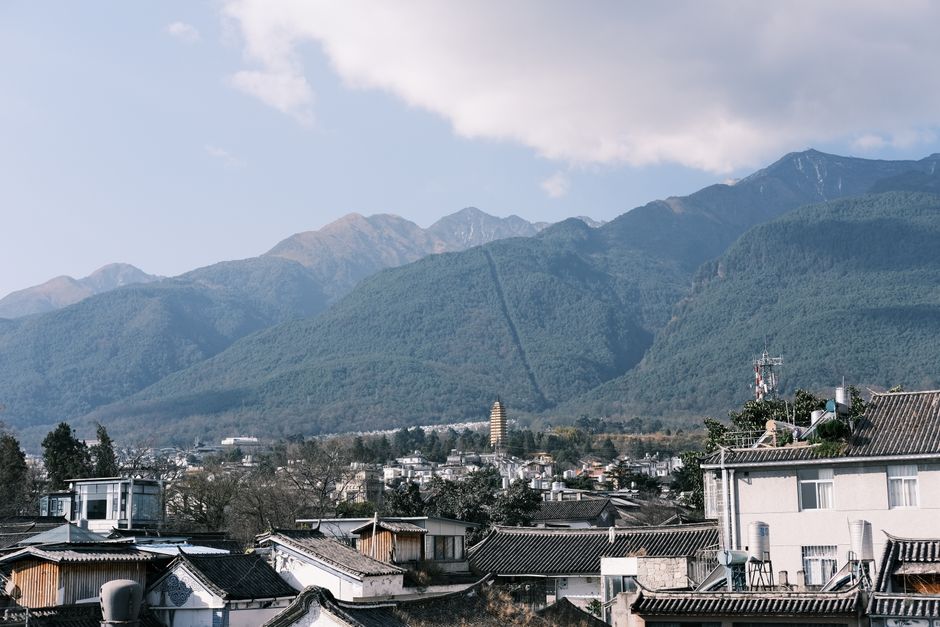
Chongsheng Temple’s Three Pagodas stand north of the old town at the foot of Cangshan. The three-tower composition is one of Dali’s clearest visual symbols and rewards more time than a quick photograph. Walk through the grounds toward the reflection viewpoints, then look back across the complex toward the lake.

The Three Pagodas near Dali Old Town

The Three Pagodas near Dali Old Town

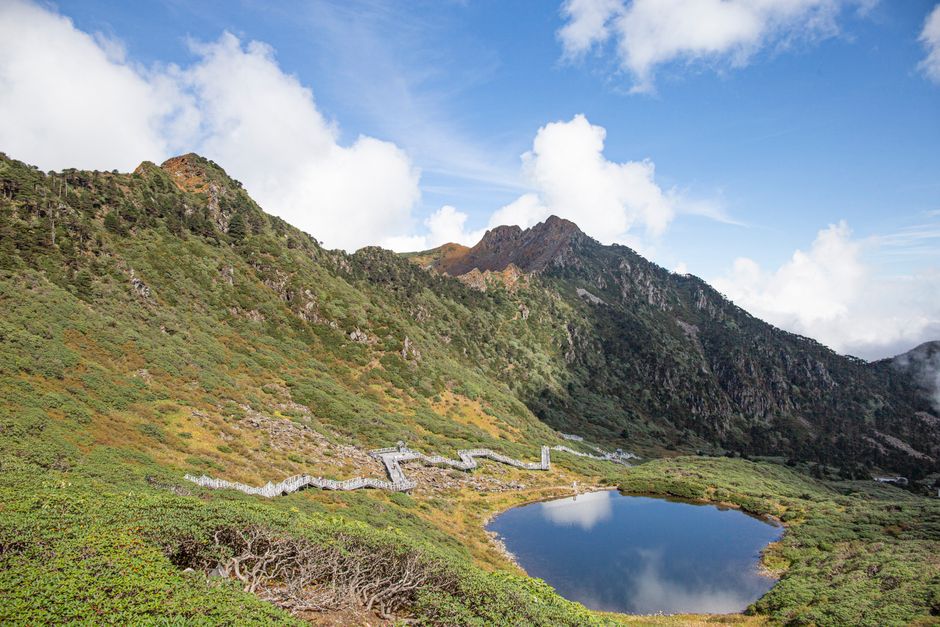
Cangshan is the mountain range west of town. Its 19 peaks and 18 streams create several possible outings, from a short cable-car trip to a longer mountain walk. The Ximatan cableway runs from the Tianlong Babu Film City area through Qilongnü Pool toward the upper mountain. Conditions change quickly at altitude, so check cableway operation and weather on the morning of your visit. Carry a warm layer even when the old town feels mild.

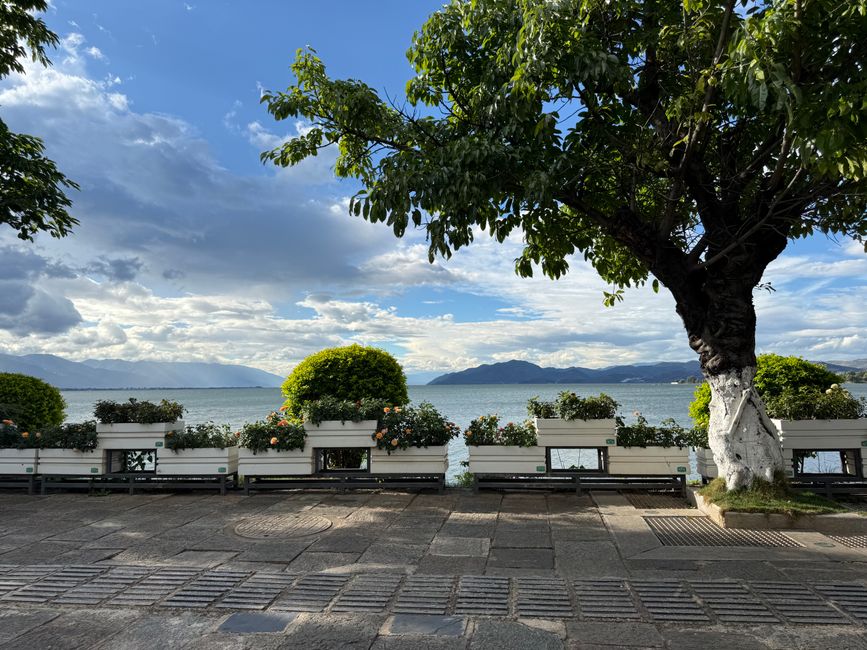
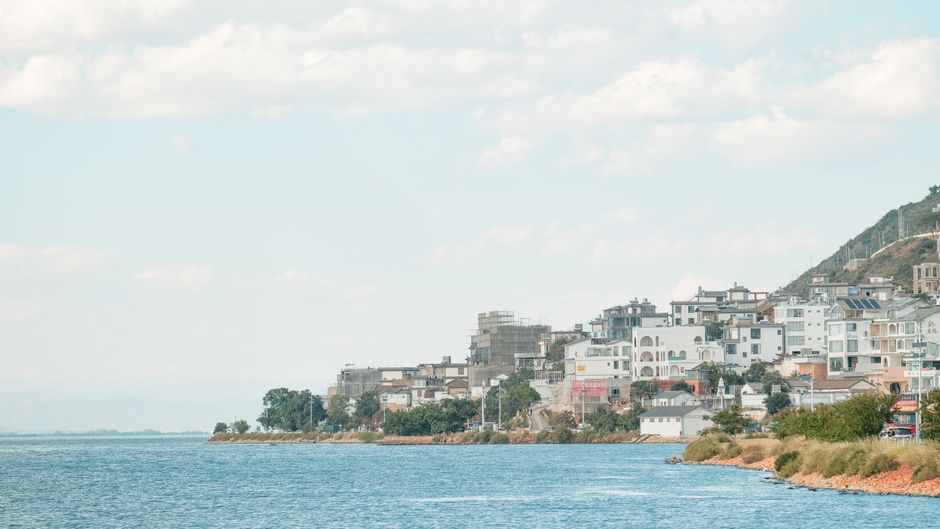
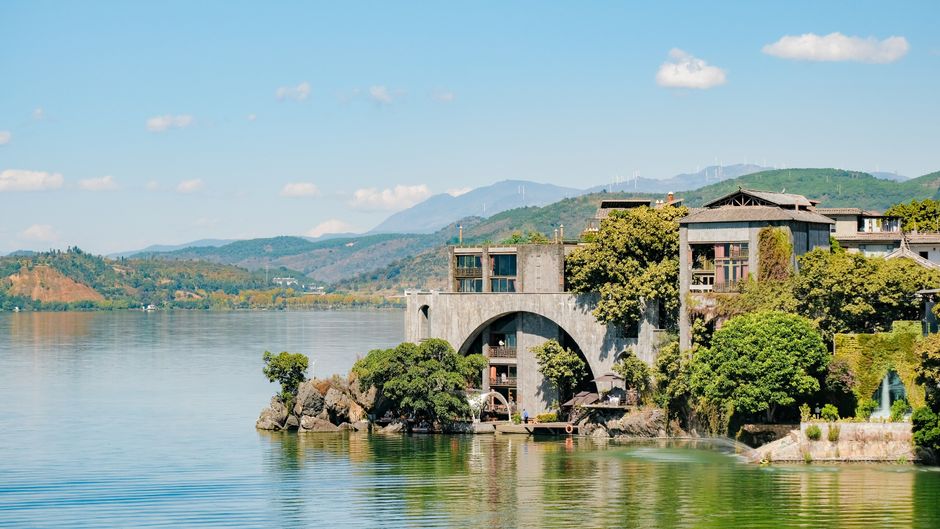
Erhai is the focus east of town. Treat the lake as a collection of different landscapes rather than a single attraction. The western shore offers villages, fields and sections of ecological corridor; the eastern shore gives broader views back toward Cangshan. A full circuit can consume a day and involve plenty of road time. First-time visitors often get more from choosing one shore and stopping properly.

Erhai Lake beside Dali

Erhai Lake beside Dali

North of the old town, Xizhou combines Bai residential architecture, agricultural scenery and living craft traditions. Nearby Zhoucheng is associated with Bai tie-dye, made by binding cloth before dyeing it to preserve blue-and-white patterns. Choose workshops that explain the process and let you watch or participate, rather than shops offering only a sales pitch.

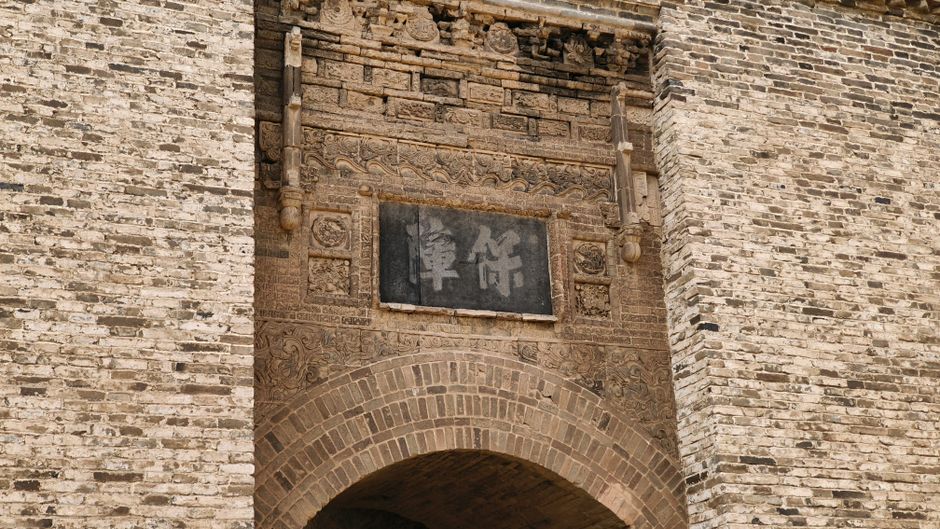
Shaxi is a separate excursion in Jianchuan County, not a quick extension of central Dali. Sideng Street preserves the form of an old market on the Tea Horse Road, with a theatre, temple, lanes and former trading buildings. Add it only if you have an extra day or are continuing north by road.

How many days do you need in Dali?

Three full days give a balanced first visit:

  1. Day one: Old Town and Three Pagodas. Walk the old town in the morning, visit the Three Pagodas after lunch, and return for a quieter evening circuit through the side streets.
  2. Day two: Erhai and Bai villages. Choose the western shore for Xizhou, Zhoucheng and rural scenery, or the eastern shore for wider lake views and Shuanglang. Avoid trying to make long stops on both shores in one day.
  3. Day three: Cangshan. Check conditions first, then choose a cableway and walking plan that matches your fitness. Keep a town-based alternative ready in case mountain access changes.

With a fourth day, stay longer around the lake or make a dedicated trip toward Shaxi. With only two days, keep the Old Town and Three Pagodas together, then choose either Erhai or Cangshan according to the forecast.

When is the best time to visit Dali?

March to May and September to November usually provide the easiest mix of outdoor conditions and views. Dali has a highland monsoon climate with a marked dry period from November through April and most annual rain falling from May through October. Summer remains workable, but build flexibility into mountain and cycling plans. Winter can bring clear light, dry air and cold evenings.

The plateau sun can feel strong in every season. Pack sun protection, water and a rain layer. For Cangshan, add warmer clothing because conditions differ sharply from the lakeside. During major national holiday periods, reserve trains and accommodation early and expect more pressure on popular streets and viewpoints.

How do you get to Dali and move around?

Dali Railway Station is in Xiaguan, the modern southern part of the city. Its rebuilt station building entered service at the end of 2024. Search and book trains through the official China Railway 12306 platform. Do not assume that arriving at “Dali” places you beside Dali Old Town.

Dali Airport is southeast of the main urban area. Airport buses and road transfers connect arrivals with Xiaguan and the old-town area, but routes can change. Confirm the current destination at the airport service counter before boarding.

For local planning, divide Dali into three transport zones:

  • Old Town and Three Pagodas: suitable for walking plus short local rides.
  • Xiaguan, station and airport: the main arrival zone, separated from the historic town.
  • Erhai villages and distant shores: better planned as a dedicated outing with a legal hired car, local bus, organised transfer or carefully checked rental.

Keep your hotel name and address in Chinese on your phone. Pin the exact property rather than entering only “Dali Old Town,” since guesthouses can be hidden inside lanes where cars cannot stop.

Where should you stay in Dali?

Stay near Dali Old Town for a first visit focused on restaurants, evening walks, the Three Pagodas and Cangshan. Pick a room just outside the busiest pedestrian streets if sleep matters.

Choose Xiaguan for a short transfer, an early train or a more urban setting. It is practical but does not provide the historic-town atmosphere many visitors expect from Dali.

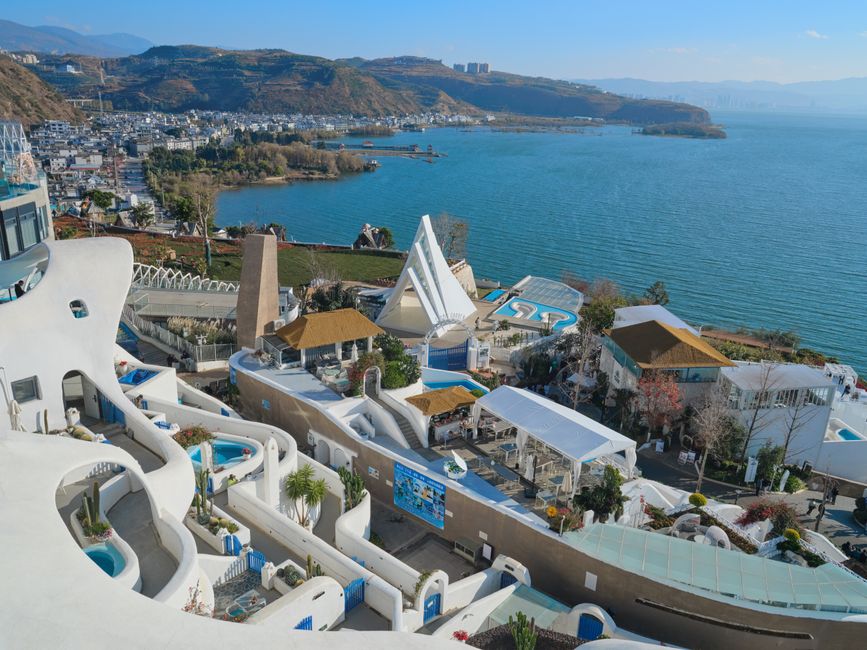
A lakeside village suits travelers who want quiet mornings and are willing to trade convenience for scenery. Check the exact road access before booking. “Erhai view” can describe properties on different shores, and transfer times vary substantially.

What should you eat in Dali?

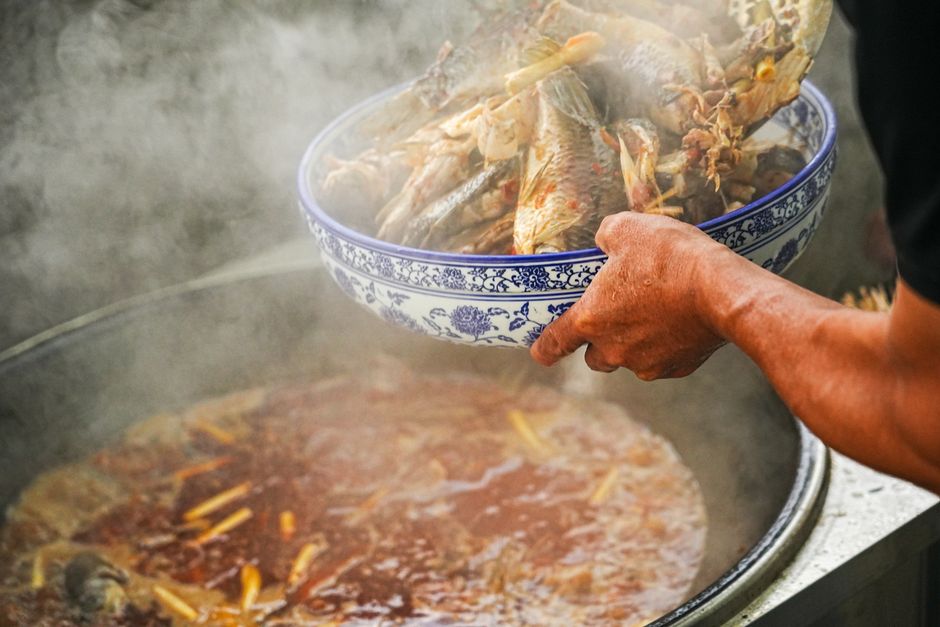
Try rushan, a fan-shaped Bai dairy product made by curdling cow’s milk, stretching the curds and drying them. It may be grilled or fried, sometimes with sugar. Order one portion first because its concentrated dairy flavor is distinctive.

In Xizhou, look for Xizhou baba, a baked local flatbread sold in sweet and savory versions. More broadly, use busy local restaurants with visible menus and confirm the price of seasonal ingredients before ordering. If you have allergies, carry a written Chinese note naming the ingredient and stating that cross-contact is unsafe.

How can you visit responsibly?

Erhai is both a landscape and a protected water system. Stay on designated paths, take rubbish away, and do not enter fields for photographs without permission. Around Bai homes and craft workshops, ask before photographing people or private courtyards. Pay artisans for workshops or finished work when you use their time and knowledge.

On Cangshan, follow the marked visitor routes and turn back if weather or visibility worsens. Around old wooden buildings, respect smoking restrictions and keep emergency access lanes clear.

Dali travel FAQ

Is Dali Old Town the same as downtown Dali?

No. Modern Xiaguan is the main urban and transport centre, while Dali Old Town lies farther north near Cangshan. Check which area a hotel listing means before booking.

Can you cycle all the way around Erhai?

A complete circuit is a substantial undertaking and includes sections where road conditions, access rules and traffic exposure differ. Casual riders should choose a shorter designated section and confirm current local restrictions.

Is Cangshan suitable for a half-day visit?

Yes, if you choose one cableway area and a limited walk. A longer mountain outing needs an early start, suitable clothing and a same-day weather check.

Should you visit Dali or Shaxi?

They serve different trips. Dali combines a larger transport hub, lake, mountain and several towns. Shaxi is smaller and centred on the preserved Tea Horse Road market at Sideng Street. Visit both if your route continues north and you have enough time for a separate stop.

Highlights

  • Walk Dali Old Town’s side streets before visiting the Three Pagodas and their reflection viewpoints.
  • Choose one Erhai shore for a slower day instead of spending most of it completing the full circuit.
  • Use Xizhou and nearby Zhoucheng to encounter Bai architecture, fields and traditional tie-dye.
  • Check Cangshan weather and cableway status on the same morning because mountain conditions can change quickly.
  • Allow three full days for the Old Town, Erhai and Cangshan without compressing them into one long tour.
  • Add Shaxi only as a separate excursion or as part of an onward journey toward northern Yunnan.

Travel Tips

Confirm the exact district

Dali Old Town, Xiaguan and the lakeside villages are separate bases. Check the map pin and Chinese address before reserving a hotel.

Keep the lake day focused

Choose the western shore for Xizhou and Bai villages or the eastern shore for broad mountain views. Long stops on both sides make for a rushed day.

Prepare a mountain fallback

Check Cangshan conditions before leaving and keep an Old Town museum, craft workshop or café plan ready if access changes.

Verify live visitor information

Ticket rules, cableway operation, buses and boat services can change. Confirm them through the operator or official visitor counter on the day.

Related Guides

More Destinations