Hanzhong
Wuhou Temple, Hanzhong: Tickets, Hours & How to Visit (2026)
Wuhou Temple in Hanzhong is the historic shrine in Mian County, not the better-known temple of the same name in Chengdu. It commemorates Zhuge Liang, the Shu Han chancellor and strategist whose final campaigns were based around Hanzhong. The site is about 3 km west of central Mian County, beside National Highway 108.
The temple rewards a slow visit. Its value lies less in spectacle than in the sequence of courtyards, old trees, inscriptions and commemorative halls. Read the plaques and stonework, and the relationship between Zhuge Liang, Mian County and the northern campaigns becomes much clearer.
Why is Mian County’s Wuhou Temple historically important?
China’s Ministry of Culture and Tourism dates the shrine’s foundation to 263, when Shu Han emperor Liu Shan ordered a temple honoring Zhuge Liang. The Mian County government describes it as the earliest Wuhou temple founded by imperial order. This is the basis for its traditional nickname, “the first Wuhou Temple under heaven.”
That foundation date does not mean every building has survived from the Three Kingdoms period. An item-specific history published by Shaanxi Normal University records a major reconstruction at the present location in 1513. The national heritage listing dates the surviving architectural complex from the Ming period through the Republic of China. A Hanzhong government feature also explains that an extensive reconstruction took place in 1801 and that the buildings seen today mainly display Qing architectural character.
This distinction matters: the shrine preserves a long commemorative tradition, while the visible halls, courtyards and fittings come from later rebuilding campaigns.
The temple is now a National Key Cultural Relics Protection Unit and a national 4A-rated attraction. These are separate designations: the first recognizes protected heritage, while the second concerns its operation as a visitor attraction.
What should you look for inside?
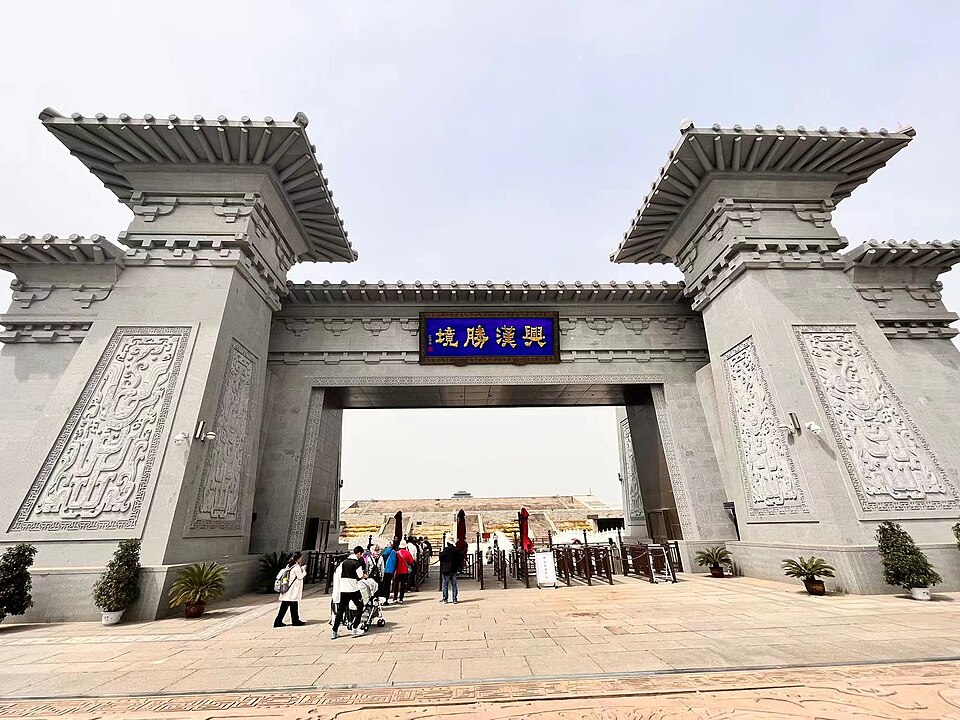
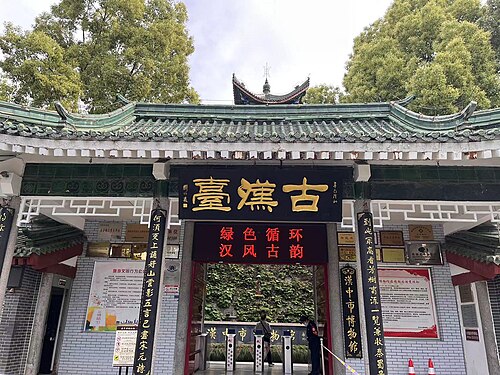
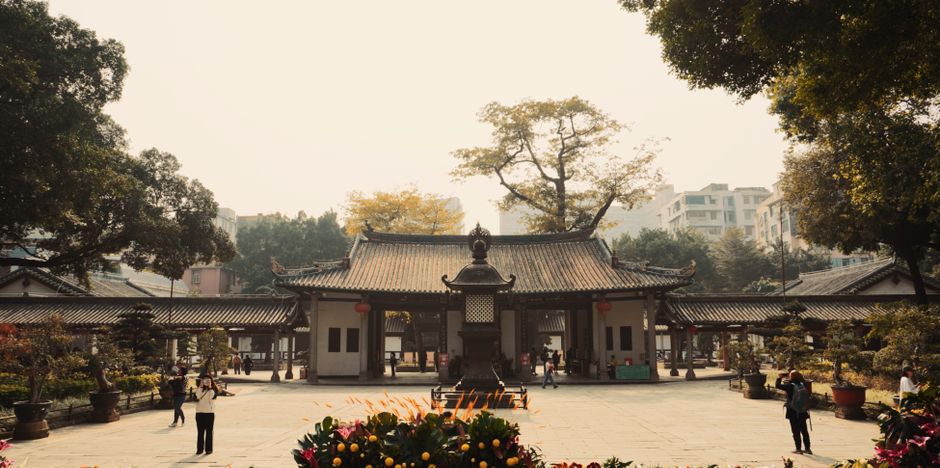
The complex follows a formal courtyard sequence. Ctrip’s site description lists the mountain gate, opera stage, memorial arch, Qin Tower, halberd gate, worship hall, main hall, Chongsheng Shrine and River-Viewing Tower among its principal structures. Rather than walking straight through, pause where the axis opens into each courtyard. The changing rooflines and framed views are part of the design.
Five details deserve attention:
- The main hall: This is the ceremonial center of the shrine and the clearest place to consider how later generations presented Zhuge Liang as a model of loyalty and public service.
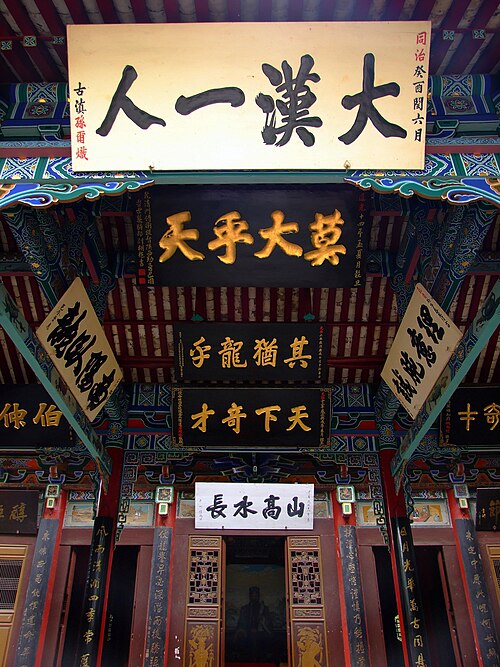
- The imperial plaque: Above the principal hall is the phrase “忠贯云霄,” associated with the Jiaqing emperor. A Hanzhong government account connects it with the large Qing reconstruction of the complex.
- The Tang stele: The item-specific heritage account identifies the “Stele Inscription and Preface for the New Temple of Zhuge, Marquis Zhongwu of Shu,” dated 795. It is among the site’s most important inscriptions. Examine the carving and layout before relying on a translated summary.
- The old trees: The courtyards contain mature cypresses that give the shrine much of its quiet character. They also help separate the sacred precinct from the busier visitor facilities outside.
- The ancient magnolia: Hanzhong’s government describes this tree as about 400 years old and reports that it normally flowers in March. The red-and-white blossoms make early spring a distinctive time to visit, although the exact flowering period depends on the season.
Many labels are primarily in Chinese. A translation app can identify basic names, but it may flatten historical titles or render the calligraphy poorly. If interpretation matters to you, ask at the entrance whether a current guided explanation or audio option is available before buying any add-on.
Wuhou Temple hours and tickets in 2026
The following planning information was checked in July 2026. Hours, admission rules and temporary promotions can change, so confirm them shortly before departure.
| Item | 2026 planning information | Source |
|---|---|---|
| Published opening hours | 09:00–17:30 | Ctrip attraction listing |
| Last ticket sale and entry | 17:00 | Ctrip attraction listing |
| Listed admission | From ¥50 | Qunar ticket listing |
| Address used by booking platforms | 150 m south of National Highway 108, Mian County, Hanzhong, Shaanxi | Ctrip attraction listing |
| Ticket inquiry telephone | 0916-3296212 | Ctrip attraction listing |
Treat “from ¥50” as a live platform listing rather than a guaranteed walk-up price. Temporary packages, online products and concession tickets may differ. Ctrip lists free or discounted admission for several categories, including young children, older visitors and eligible service personnel. International travelers should carry a passport and ask which foreign documents are accepted before assuming a concession applies.
Avoid arriving close to the 17:00 cutoff. The complex is most rewarding when you have time to read the inscriptions and revisit a courtyard rather than rushing from hall to hall.
How do you reach Wuhou Temple from Hanzhong?
Search for 勉县武侯祠博物馆 in a Chinese map app. The Chinese name reduces the risk of being routed to Chengdu’s Wuhou Shrine or to Wuhou Tomb, which is a different Mian County attraction.
From central Hanzhong, reach Mian County first and then continue by taxi or hired car to the temple. Ctrip places the shrine just over an hour by road from Hanzhong and about 3 km west of central Mian County. Road conditions and pickup location affect the trip, so check the live route on the day.
A practical sequence is:
- Save the attraction’s Chinese name and address before leaving your accommodation.
- Show the driver 勉县武侯祠博物馆, not simply 武侯祠.
- Confirm that the destination marker sits beside National Highway 108 in Wuhou Town, Mian County.
- Keep a screenshot of the return destination in Hanzhong in case mobile reception or translation becomes awkward.
Independent travelers should arrange the return leg before entering if visiting late in the day. This is a county attraction rather than a central Hanzhong sight, so treating it as a quick urban stop can lead to poor timing.
When is the best time to visit?
March has the strongest seasonal draw because the ancient magnolia usually flowers then, according to the Hanzhong government. Flowering dates can shift, so check a recent local notice if the blossom is the main purpose of your trip.
Outside the flowering period, choose a clear day and enter with enough time before the last-admission cutoff. The shaded courtyards and subdued architecture work well in any season. Weekdays may provide a calmer atmosphere, but festival programs and school groups can alter visitor levels.
How should you behave at the shrine?
Wuhou Temple remains a commemorative and protected heritage place. Keep voices low in the principal halls, follow barriers around old structures and do not touch steles or painted surfaces. Check posted photography rules before using flash, tripods or commercial equipment.
Do not confuse the historic shrine with the neighboring Zhuge Ancient Town. The Mian County government lists the modern cultural attraction beside Wuhou Temple, but it is a separate experience. Wuhou Tomb at Dingjun Mountain is also a separate ticketed attraction. Travelers interested in Zhuge Liang may combine them, but should verify current admissions and transport rather than assuming one ticket covers every site.
Frequently asked questions
Is this the Wuhou Temple in Chengdu?
No. This temple is in Wuhou Town, Mian County, within Hanzhong, Shaanxi. Use the Chinese map name 勉县武侯祠博物馆 to avoid confusion.
Is the temple itself 1,700 years old?
The commemorative foundation is traditionally dated to 263. The standing complex reflects later reconstruction, with protected architecture dating from the Ming period through the Republic of China and a strong Qing character.
Can I see Zhuge Liang’s tomb here?
No. Wuhou Temple and Wuhou Tomb are separate attractions in Mian County. The temple commemorates Zhuge Liang; the tomb site lies at Dingjun Mountain.
Do I need to understand the Three Kingdoms first?
No, but knowing that Zhuge Liang served Shu Han and conducted northern campaigns from the Hanzhong region makes the inscriptions and commemorative layout easier to follow. Focus on the main hall, Tang stele and imperial plaque if your time or background knowledge is limited.
Highlights
- The earliest Wuhou shrine traditionally associated with a direct imperial order, founded in 263
- A protected complex whose visible architecture reflects Ming, Qing and later rebuilding
- The 795 Tang stele commemorating Zhuge Liang and the shrine’s history
- The Jiaqing-era “忠贯云霄” imperial plaque above the principal hall
- An ancient magnolia that normally produces red-and-white flowers in March
- A formal sequence of gates, courtyards, ceremonial halls and mature trees
Travel Tips
Use the full Chinese map name
Search for 勉县武侯祠博物馆. Using only 武侯祠 can send you toward Chengdu or confuse the shrine with Wuhou Tomb.
Verify tickets before departure
The July 2026 listings show 09:00–17:30 hours, a 17:00 entry cutoff and admission from ¥50. Confirm current terms by phone or booking platform.
Carry your passport
Concession rules may require an accepted identity document. Ask the ticket office whether your foreign passport supports the relevant discount.
Prioritize the inscriptions
Do not rush only to the main statue. Set aside attention for the Tang stele, the imperial plaque and the labels explaining later reconstruction.