Hanzhong
Hanzhong Museum, Hanzhong: Gu Hantai and Stone Gate Guide (2026)
Hanzhong Museum: Gu Hantai and the Stone Gate Inscriptions
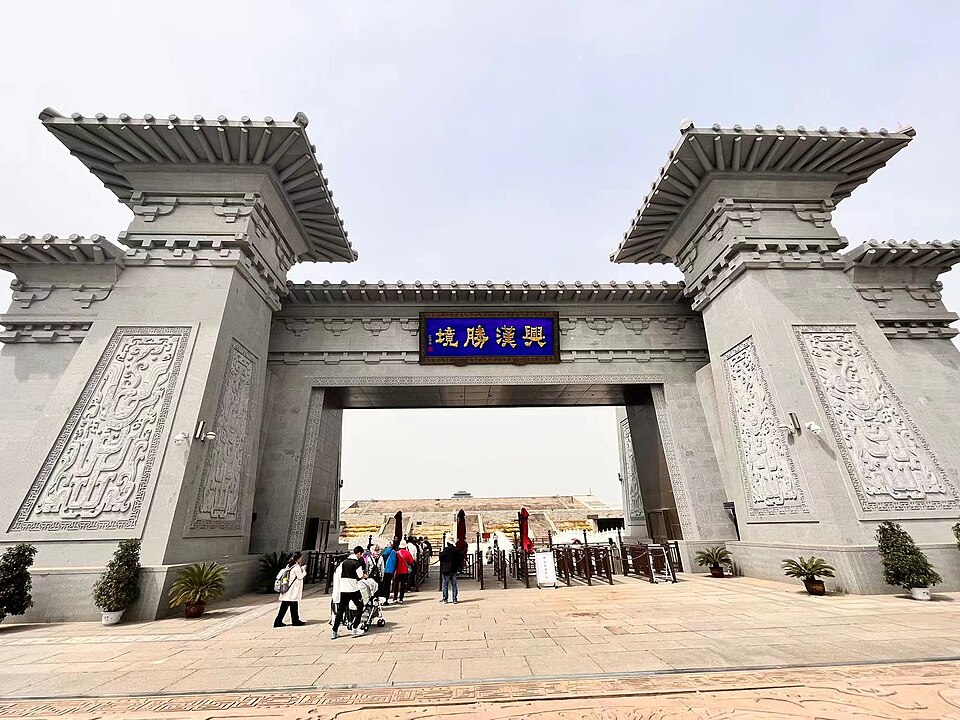
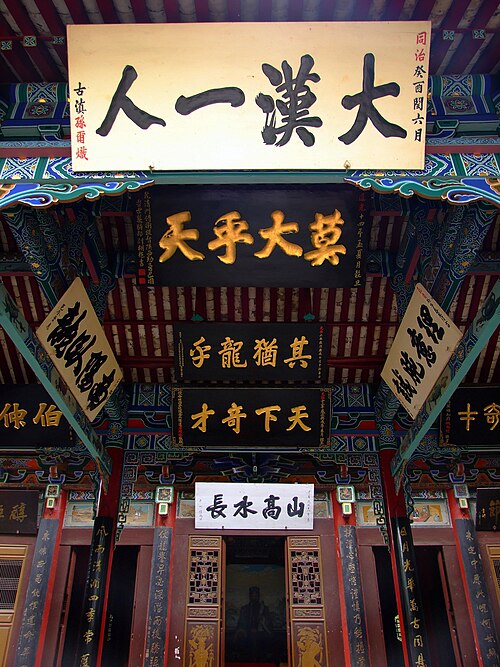
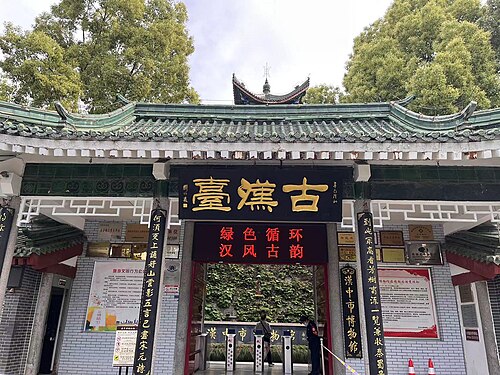
Hanzhong Museum rewards visitors who arrive with one key fact in mind: this is not a conventional museum housed in a single modern building. It is associated with three historical places, Gu Hantai, Baijiangtan and Yinmachi. The surviving site, architecture and displayed objects are therefore parts of the same story.
For most first-time international visitors, Gu Hantai is the natural place to begin. Its courtyards introduce the museum through physical space before the displays turn to roads, inscriptions and the history of Hanzhong. The central object to look for is the Stone Gate Thirteen Pieces, a group of cliff inscriptions connected with the ancient route across the Qinling Mountains.
Why is Hanzhong Museum different from a standard city museum?
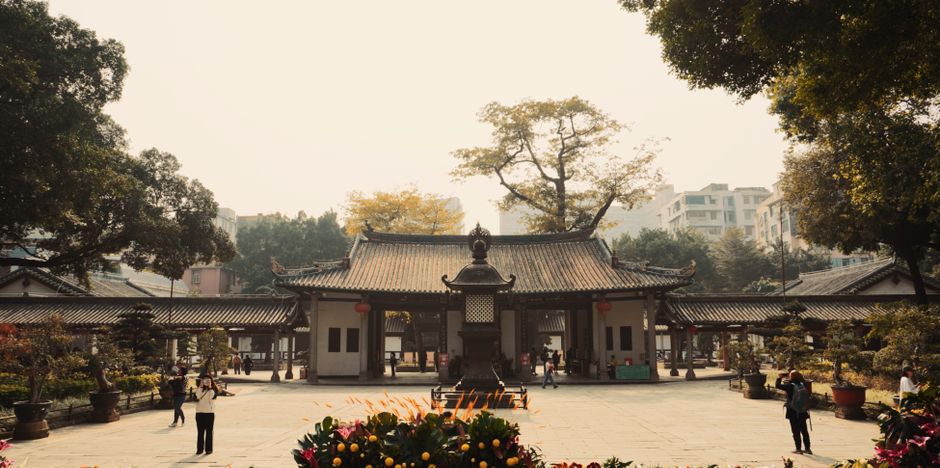
The museum combines historical remains with indoor displays. Gu Hantai occupies a sequence of three courtyards that rise from south to north. This layout changes the pace of the visit: you move between buildings, open courtyards and exhibition rooms rather than following one continuous gallery corridor.
The museum is linked with three sites:
- Gu Hantai: the principal area for understanding the museum and seeing the Stone Gate inscriptions.
- Baijiangtan: a separate historical area associated with the museum.
- Yinmachi: the third place named in the museum’s multi-site structure.
Do not assume that one entrance or one map pin covers every area. Search each Chinese name separately and confirm which sections are admitting visitors on the date of your visit. If your time is limited, make Gu Hantai the priority rather than trying to check off every site.
What should you see first at Gu Hantai?
Start with the courtyard sequence. Pause after entering and look at how the ground, halls and sightlines rise through the complex. This gives you a clearer sense of Gu Hantai as a historical place, not just a shell around display cases.
Next, find the gallery containing the Stone Gate Thirteen Pieces. The group consists of thirteen selected cliff inscriptions dating from the Han period through the Southern Song. They were originally part of a much larger body of writing carved around the Stone Gate section of the Baoxie route.
During reservoir construction in the early 1970s, selected stone sections from the affected area were cut out and transferred to Hanzhong Museum. The official district account records that seventeen stone sections, including the thirteen celebrated inscriptions, were moved and reassembled for preservation. Understanding that rescue operation changes what you see: these are not decorative slabs made for a gallery. They are sections of inscribed rock removed from an outdoor transport landscape.
How should you read the Stone Gate Thirteen Pieces without knowing Chinese?
Begin with form rather than translation. Stand back to see the size and placement of each inscription, then move closer to compare the depth, spacing and rhythm of the carved characters. Look for differences between broad, grounded forms and tighter or more angular writing. The group spans several historical periods, so it works as a visual record of changing calligraphic practice.
A translation app can identify individual characters, but it will not explain the complete inscription. Photograph labels only where museum rules permit, or type the Chinese title into your phone for later research. The most useful search term is Stone Gate Thirteen Pieces.
One piece worth identifying is the Northern Wei Shimen Ming (《Shimen Ming》). The Shaanxi cultural heritage authority’s registered list names it as a first-grade cultural object held by Hanzhong Museum. The official district description also places it as the twelfth work in the group.
Another useful reference point is Shimen Song (《Shimen Song》). A Hantai District Government account based on information from museum staff explains that the Chinese characters used for “ci” and “hai” on the cover of the reference work Cihai were drawn from this inscription. Even if you cannot read the full text, this connection shows how the carved writing continued to influence modern visual culture.
What story connects the inscriptions to Hanzhong?
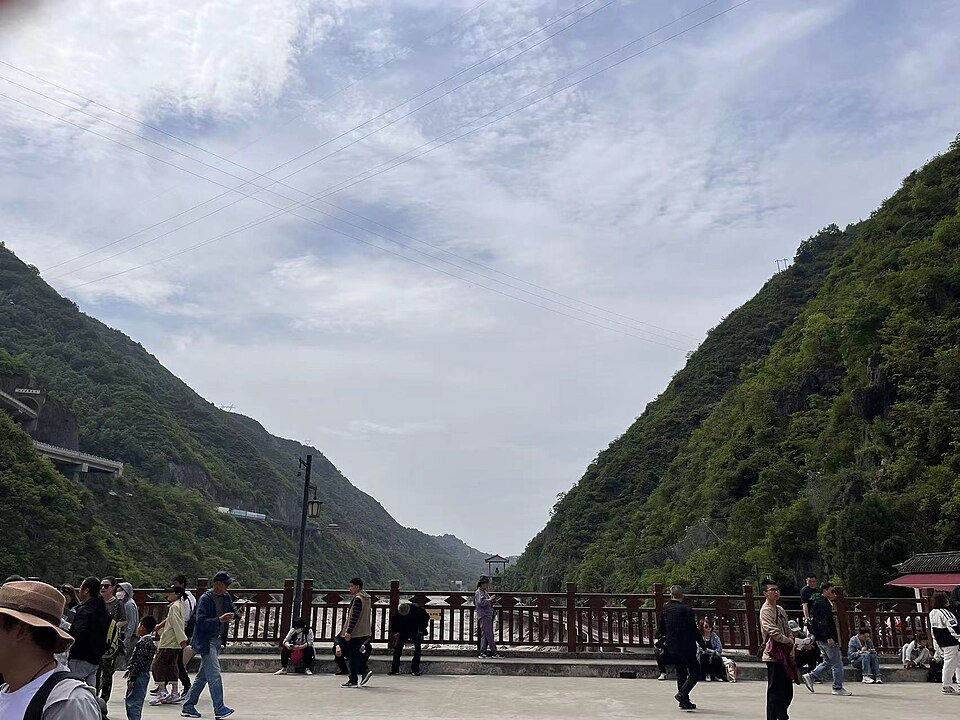
The inscriptions came from the Stone Gate area of the Baoxie route, a passage through the Qinling Mountains. Official heritage records identify the Baoxie Road Stone Gate and its cliff inscriptions as a nationally protected cultural site. The museum display brings part of that mountain record into the city.
Read the gallery as a record of movement. The writing commemorated work, journeys and events connected with a transport corridor. Its historical value does not come from calligraphy alone. The carved words also preserve evidence about roads, water works and communication between regions north and south of the mountains.
This is why the Stone Gate Thirteen Pieces should be the anchor of the visit. The courtyards establish place, while the inscriptions connect Hanzhong with a much larger landscape.
How should you plan the practical side of the visit?
Current opening hours, admission arrangements and reservation procedures should be checked directly before departure. Older official pages and travel listings remain online, but they may not reflect the rules operating on your date. Confirm each museum area separately, especially if you plan to include Baijiangtan.
Use these Chinese names in a map or show them to hotel staff:
- Hanzhong Museum: Hanzhong Museum
- Gu Hantai: Gu Hantai
- Stone Gate Thirteen Pieces: Stone Gate Thirteen Pieces
- Baijiangtan: Baijiangtan
- Yinmachi: Yinmachi
A screenshot is useful if your mobile connection becomes unreliable. Do not rely only on an English map label, as several related locations may appear under similar names.
What is the best pace for the museum?
Treat Gu Hantai as a place to examine slowly rather than a quick photo stop. Give most of your attention to the courtyard layout and the Stone Gate gallery. Read a few labels carefully instead of attempting to translate every panel.
If you are interested in calligraphy, compare several inscriptions before concentrating on Shimen Ming and Shimen Song. If transport history interests you more, follow references to the Baoxie route and note how the carved records relate to the mountain corridor. Families can turn the gallery into a shape-finding exercise by asking children to spot repeated characters and different carving styles.
Common planning mistakes
- Assuming the museum is one building: its identity is connected with several historical areas.
- Using an old timetable without checking: verify admission and opening information close to your visit.
- Walking past the inscriptions too quickly: their scale, surfaces and letter forms carry much of the meaning.
- Expecting automatic English interpretation: keep the Chinese names saved and use translation tools as support.
- Trying to cover every area at any cost: prioritize Gu Hantai when time or current access is uncertain.
Is Hanzhong Museum worth visiting?
Yes, especially if you want to understand Hanzhong through one focused cultural stop. The museum’s strongest feature is the relationship between place and object. Gu Hantai provides the architectural setting, while the Stone Gate Thirteen Pieces connect the city to the ancient routes crossing the Qinling Mountains.
Visitors primarily interested in paintings or large collections of portable objects may find the experience different from a major provincial museum. Come for the site, the carved writing and the local transport history. That focus makes the visit more coherent.
Frequently asked questions
Is Hanzhong Museum all at Gu Hantai?
No. Official local sources describe it as a multi-site museum connected with Gu Hantai, Baijiangtan and Yinmachi. Gu Hantai is the sensible starting point for a first visit.
What is the museum’s most important display?
The Stone Gate Thirteen Pieces are the clearest priority. They are rescued cliff inscriptions associated with the Baoxie route and span several historical periods.
Can I rely on opening hours found in older guides?
Do not build a fixed itinerary around undated or older visitor information. Confirm the current schedule, admission rules and reservation method directly before going.
Do I need to read Chinese to appreciate the museum?
No, although preparation helps. Save the names Stone Gate Thirteen Pieces, Shimen Ming and Shimen Song, then concentrate on scale, carving depth, spacing and changes in character form.
Highlights
- See the Stone Gate Thirteen Pieces, a rescued group of cliff inscriptions spanning several historical periods.
- Walk through Gu Hantai’s ascending sequence of three courtyards before entering the principal displays.
- Identify the Northern Wei Shimen Ming, registered as a first-grade cultural object held by Hanzhong Museum.
- Understand Hanzhong Museum as a multi-site institution connected with Gu Hantai, Baijiangtan and Yinmachi.
- Use the inscriptions to connect Chinese calligraphy with the ancient Baoxie transport corridor across the Qinling Mountains.
Travel Tips
Verify current entry information
Check opening, admission and reservation arrangements directly before departure. Confirm Gu Hantai and Baijiangtan separately rather than relying on an older listing.
Save the Chinese map pins
Keep screenshots of Hanzhong Museum, Gu Hantai and Baijiangtan. The Chinese labels help drivers and reduce confusion between related locations.
Prioritize the stone inscriptions
At Gu Hantai, find Stone Gate Thirteen Pieces first. Compare scale, carving depth and character shapes before attempting line-by-line translation.
Plan for separate museum areas
Treat Gu Hantai, Baijiangtan and Yinmachi as distinct places. If access or time is uncertain, make Gu Hantai your anchor stop.