Changsha
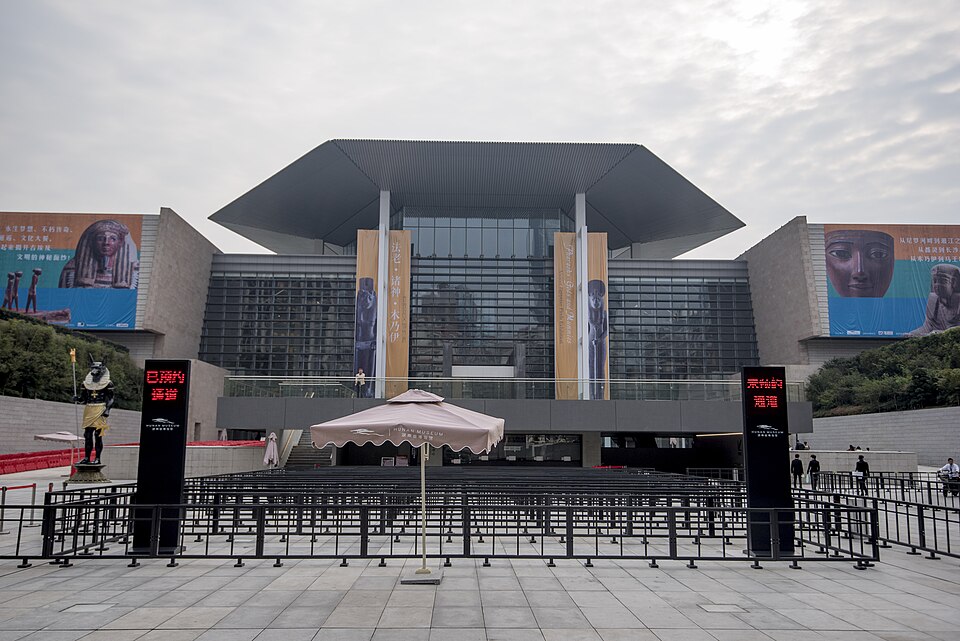
Hunan Museum, Changsha
Hunan Museum, Changsha: Tickets, Hours and How to Visit in 2026
Hunan Museum deserves a firm place in a Changsha itinerary if you want to understand the city beyond its food streets and nightlife. Its strongest exhibition presents objects excavated from the Western Han tombs at Mawangdui, including silk, lacquerware, manuscripts, painted coffins and burial objects associated with Xin Zhui. The museum also gives those finds a wider regional context through an exhibition on Hunan’s history and culture.
The practical point to settle first is admission. General entry is free, but the museum uses real-name reservations and can reach capacity during school holidays and weekends. Reserve through the official Hunan Museum WeChat account or Alipay mini-program, then bring the original passport or other valid identity document used for the booking. Temporary exhibitions and separate experiences may have their own booking conditions, so read the listing before confirming.
What should you see first at Hunan Museum?
Start with the Changsha Mawangdui Han Dynasty Tombs Exhibition. Archaeologists excavated three Western Han tombs at Mawangdui between 1972 and 1974. The museum’s official exhibition guide describes more than 700 lacquer objects, more than 500 textile pieces and over 50 bamboo and silk manuscripts among the finds.
Do not treat this gallery as a checklist of famous objects. Follow the displays in sequence so the tomb structure, burial customs and daily life of the occupants make sense. Pay particular attention to:
- The plain unlined gauze gown, an example of the fine textiles recovered from the tombs.
- The T-shaped silk painting from Xin Zhui’s tomb, whose imagery links human life, the heavens and the world below.
- Painted lacquer coffins covered with clouds, animals and supernatural figures.
- Lacquer dining and toiletry sets that make elite Han life easier to picture.
- Silk manuscripts concerning subjects such as astronomy, divination and medicine.
Labels may use both “Mawangdui” and “Ma Wang Dui.” They refer to the same archaeological site. Xin Zhui may also be introduced in English-language material as Lady Dai.
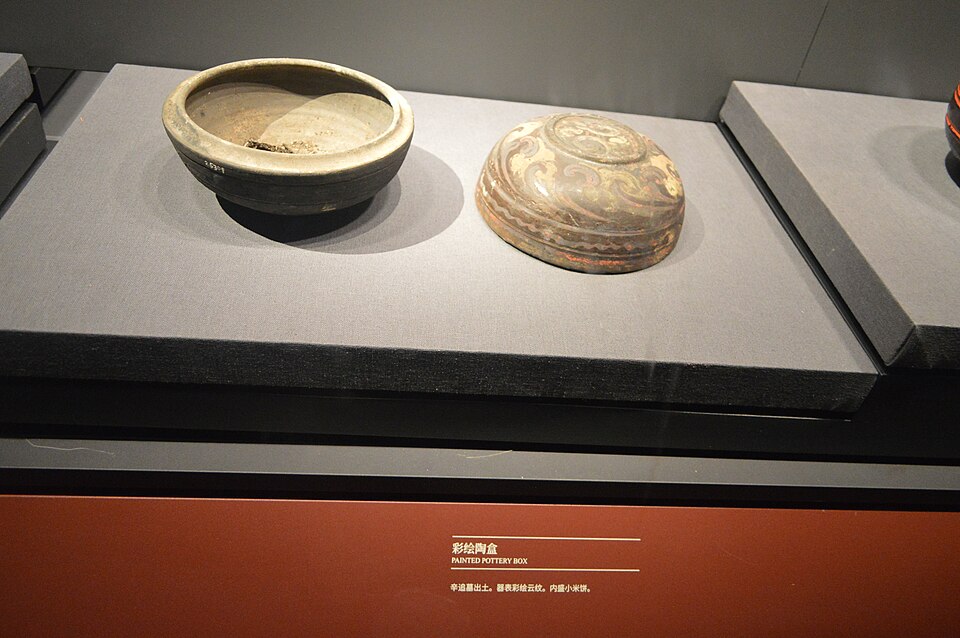
Painted pottery box from Mawangdui
Photo: Huangdan2060, CC BY 3.0, via Wikimedia Commons.
How should you plan the rest of the museum?
After Mawangdui, continue to Hunanese: An Exhibition of Hunan History and Culture. This section moves across a much broader timeline and explains how geography, rice cultivation, regional states, education and modern social change shaped Hunan. It prevents the visit from becoming only a tour of one celebrated tomb complex.
The museum’s collections also include Shang and Zhou bronzes, Chu cultural objects, ceramics, painting, calligraphy and modern historical material. If your attention is fading, choose one additional collection rather than hurrying through every room. A good pairing is Mawangdui followed by the Hunan history exhibition, with bronzes or ceramics as an optional final section.
Temporary exhibitions change, so check the museum’s official channels shortly before your date. A special exhibition listed in an old blog or social-media post may have closed.
Are Hunan Museum tickets free, and how do reservations work?
General admission is free. Free does not mean walk-in access is guaranteed. The museum requires a real-name reservation, including for visitors eligible for preferential policies.
For a 2026 visit:
- Open the official Hunan Museum account in WeChat or its official Alipay mini-program.
- Select the main museum and your preferred admission period.
- Enter each visitor’s identity information exactly as shown on the document.
- Save the successful reservation record.
- Bring the same original passport or valid identity document to the entrance.
The 2026 summer notice advises visitors to reserve when the seven-day booking window opens because demand rises sharply. Avoid unofficial sellers. The museum and provincial authorities have introduced measures against ticket resale, and paying a third party does not replace the identity check at entry.
What are the opening hours in 2026?
The regular published schedule is Tuesday through Sunday, 9:00–17:00, with last entry at 16:00. The museum normally closes on Monday, except when a statutory-holiday arrangement changes the schedule, and it closes on Lunar New Year’s Eve.
A temporary summer timetable applies from July 1 through August 31, 2026. During that period, the museum stays open until 20:30 and adds an individual admission period from 17:30 to 19:30. Holiday and seasonal arrangements can override the regular timetable, so check the museum’s latest notice before leaving your hotel.
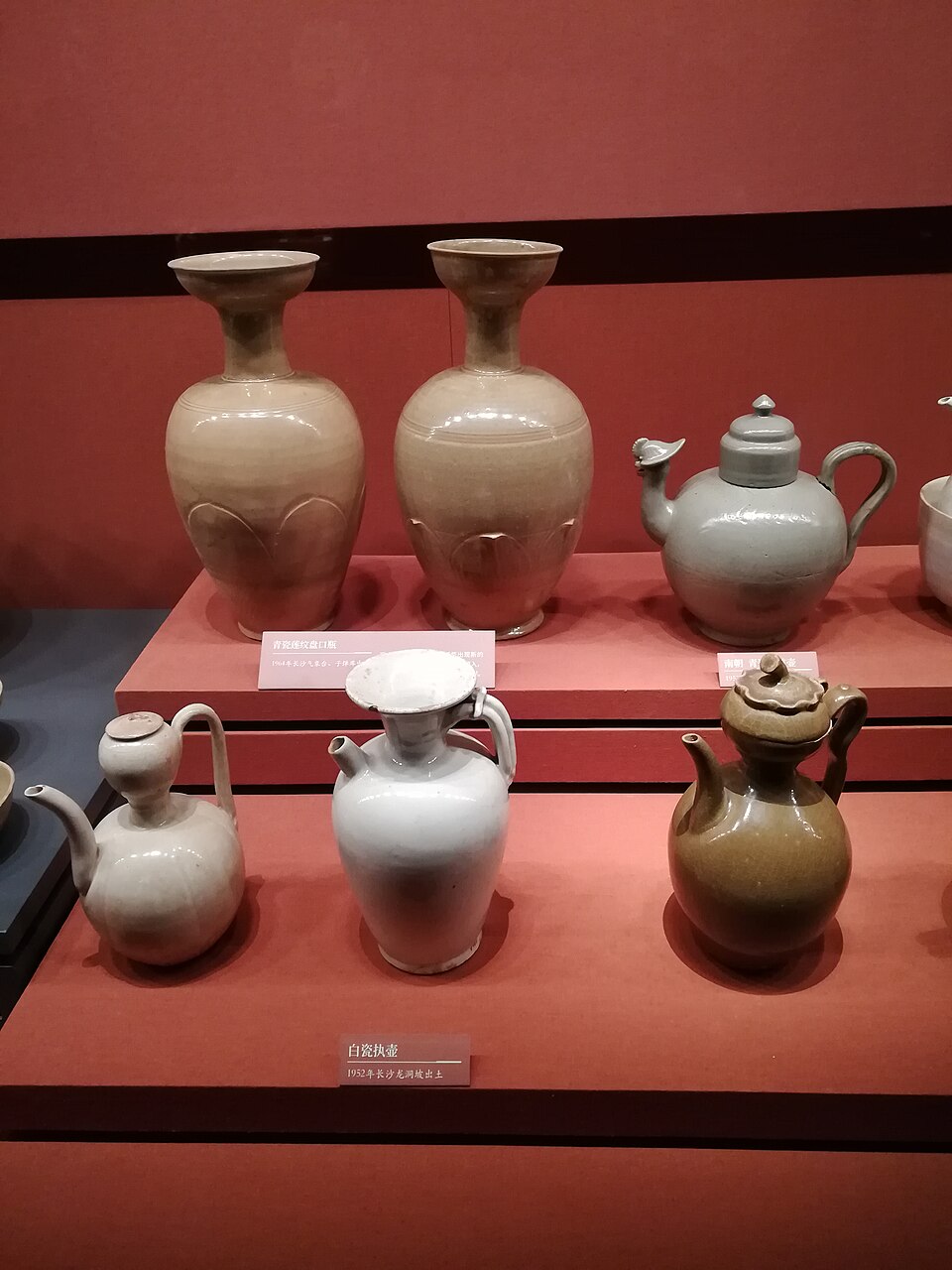
White porcelain vessels in Hunan Museum
Photo: Huangdan2060, CC0, via Wikimedia Commons.
How do you reach Hunan Museum by metro?
The museum is at 50 Dongfeng Road in Kaifu District, but visitors now enter through the Integration Square connecting the museum with Hunan Martyrs Park. This entrance opened in April 2026 and replaced the old pattern of gathering at the Dongfeng Road frontage.
The clearest public-transport choices are both on Changsha Metro Line 6:
- Hunan Martyrs Park South (Hunan Museum) Station, Exit 1A.
- Xiangya Hospital Station, Exit 2.
Follow signs for Integration Square, then continue through the covered corridor, visitor service center, ticket gates and security check. Several buses also stop at Hunan Museum, but the metro is simpler for a first visit because it avoids traffic and uncertainty about similarly named stops.
When is the best time to visit?
The galleries work in every season. If your dates are flexible, choose a regular weekday and reserve the earliest convenient period. Summer, public holidays and school breaks bring heavier demand. The added 2026 evening period can be useful during July and August, but it still requires a reservation.
Allow yourself to read the Mawangdui displays without rushing. Visitors who only photograph the best-known objects miss the connection between the textiles, food vessels, medical texts, cosmology and burial design. If you need a break afterward, the new entrance leads directly toward Hunan Martyrs Park.
Continue planning: use the Changsha travel guide and the 3-day Changsha itinerary to connect this stop with nearby sights.
Frequently asked questions
Can foreign visitors enter with a passport?
Yes. Official visitor information lists a passport as the relevant entry document for international visitors. Use matching identity details when reserving and carry the original document.
Is Hunan Museum the same place as the Mawangdui tomb site?
No. The museum houses and interprets major objects excavated from the Mawangdui tombs. The exhibition is the right choice if your priority is seeing the artifacts and understanding their archaeological context.
Do I need a separate ticket for the permanent exhibitions?
General admission to the museum is free and covers its regular exhibitions. A temporary exhibition or additional experience may use a separate reservation or paid ticket, so check its individual notice.
What should I prioritize if I cannot see everything?
See the Mawangdui exhibition first, then the Hunan history and culture exhibition. Together they explain both the exceptional tomb finds and the region that produced and preserved them.
Highlights
- Mawangdui Han tomb collection
- Xin Zhui and major Western Han artefacts
- Large permanent galleries with English support
- Free timed admission with advance reservation
- Good rainy-day anchor for a Changsha itinerary
Travel Tips
Book before you go
Timed slots can fill during weekends, holidays and school breaks.
Bring the booking passport
The identity document used for reservation is needed for admission.
Start with Mawangdui
Go to the highest-priority gallery first, then use remaining time for the regional history displays.