Harbin
Central Street (Zhongyang Dajie), Harbin
A mile of European Harbin, one stone at a time
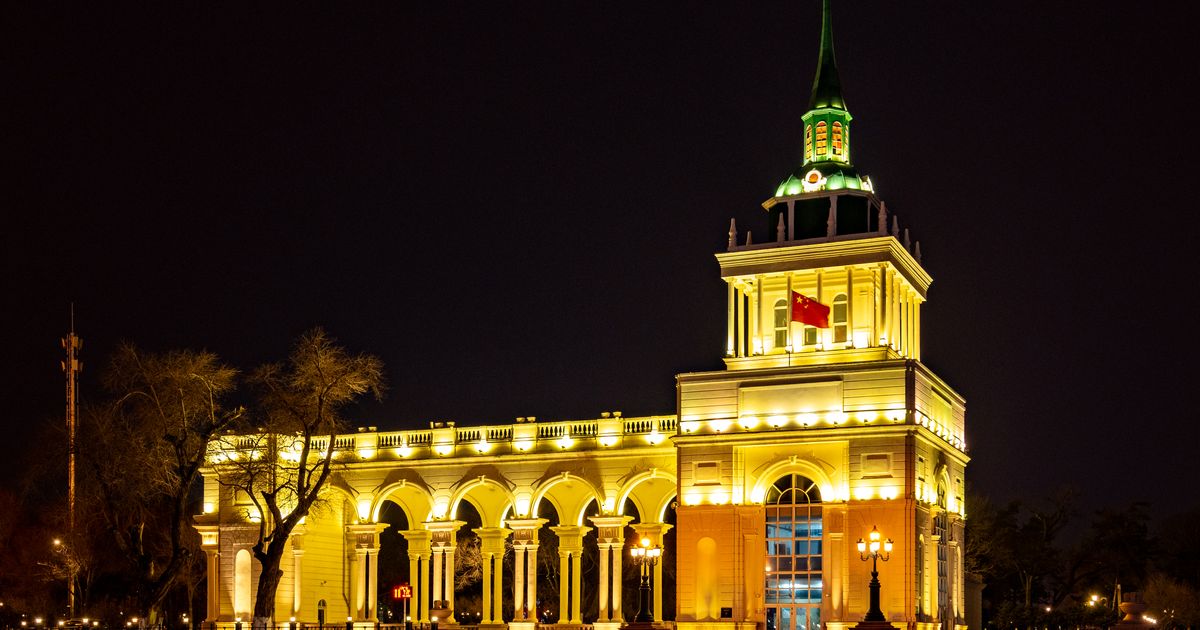
Central Street, or Zhongyang Dajie, is Harbin's pedestrian spine and an open-air museum of early-1900s European architecture. The cobbled avenue runs about 1.45 kilometers from the edge of the old town near Jingwei Street down to the Songhua River, and it has been paved since May 1924 with rectangular granite blocks laid to a Russian engineer's design, each stone shaped and sized like a loaf of Russian bread (about 18 by 10 centimeters), worn smooth by a century of foot traffic. Local lore says each block cost a silver coin to lay at the time. Seventy-one protected buildings line the street in Baroque, Renaissance, Art Nouveau and Byzantine styles, a legacy of the Russian, Jewish and European merchants who once made Harbin a booming trade city. It became a car-free pedestrian street in 1997.
Historic European architecture lit up at night on Central Street, Harbin
What to do
Central Street is best simply walked end to end, ideally twice: once by day to read the architecture, once after dark when the facades are lit. It is also the city's eating street. Locals queue for Madie'er ice cream bars even in deep winter, the Russian-style bakery sells the dense bread called dalieba, and Huamei Western Restaurant has served European food here since 1925. Side lanes lead to small galleries, tea houses and souvenir shops.
When to go
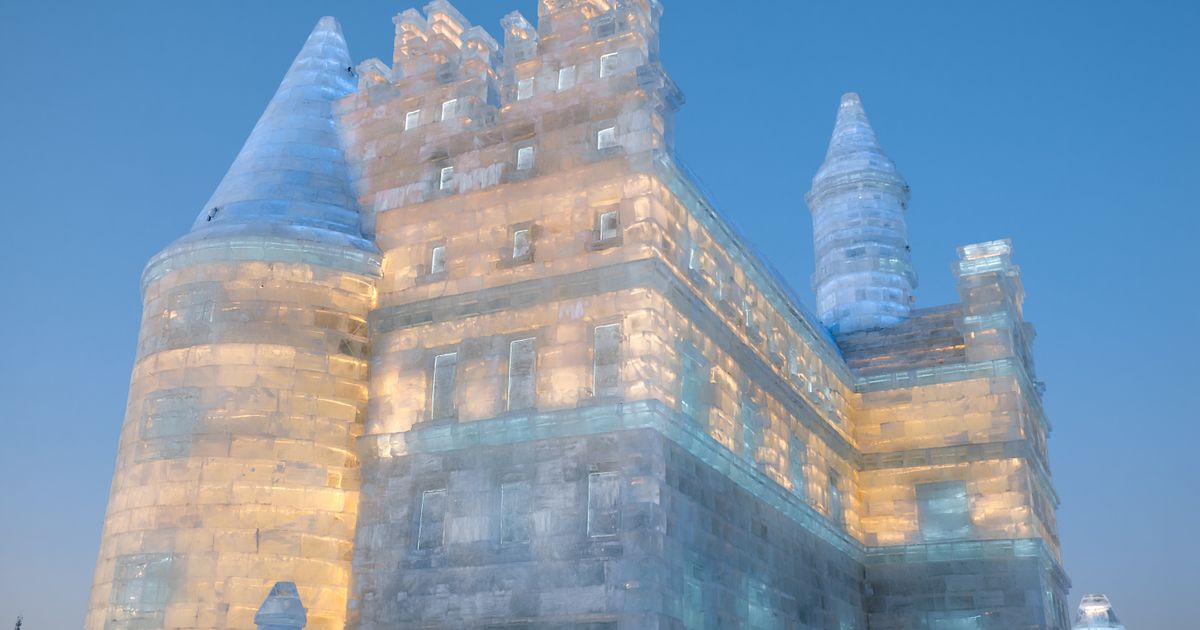
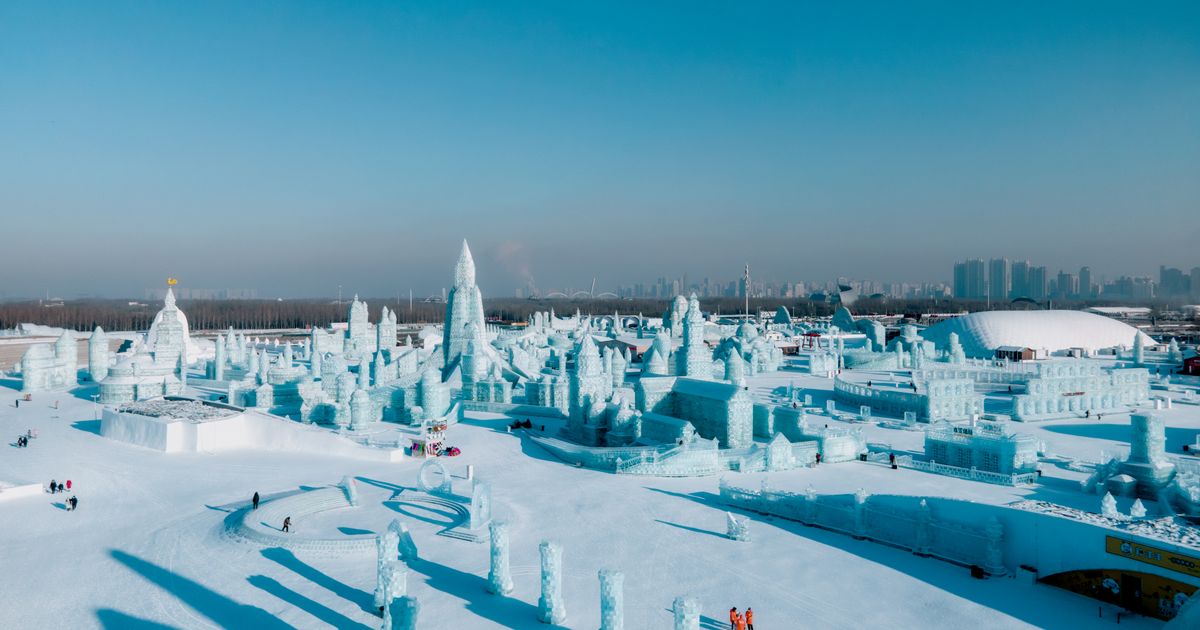
The street is open and free 24 hours a day, year round. In January it becomes part of the ice festival, with carved ice lanterns and small sculptures dotting the pavement, so dress for well below freezing. Summer evenings are lively and mild. Whatever the season, the northern end opens onto Stalin Park and the flood control monument on the Songhua River, a natural place to end a stroll.
Getting there
Central Street sits in the Daoli district, walkable from St. Sophia Cathedral in about ten minutes. Harbin Metro Line 2 has a Central Street station right on the route, and taxis and ride-hailing apps know it by name. Set aside one to two hours, or longer if you stop to eat.
Highlights
- A 1.45 km cobbled pedestrian avenue, car-free since 1997
- 71 protected buildings in Baroque, Renaissance, Art Nouveau and Byzantine styles
- Granite paving laid in May 1924, each block shaped like a loaf of Russian bread
- Madie'er ice cream queues, even in deep winter
- Century-old Russian dalieba bread and the 1925 Huamei Western Restaurant
- Carved ice lanterns line the street during the winter ice festival
Travel Tips
Walk it twice
See the architecture by daylight, then return after dark when the facades are floodlit and the street is at its liveliest.
Try the local bites
Queue for a Madie'er ice cream even in January, and pick up a loaf of dalieba from the Russian bakery to taste Harbin's history.
Ride the metro in
Harbin Metro Line 2's Central Street station sits right on the avenue, an easy way in from elsewhere in the city.
Walk down to the river
The northern end opens onto Stalin Park and the Songhua River flood control monument, a good place to finish or to reach the ice festival sites.