Harbin
St. Sophia Cathedral, Harbin
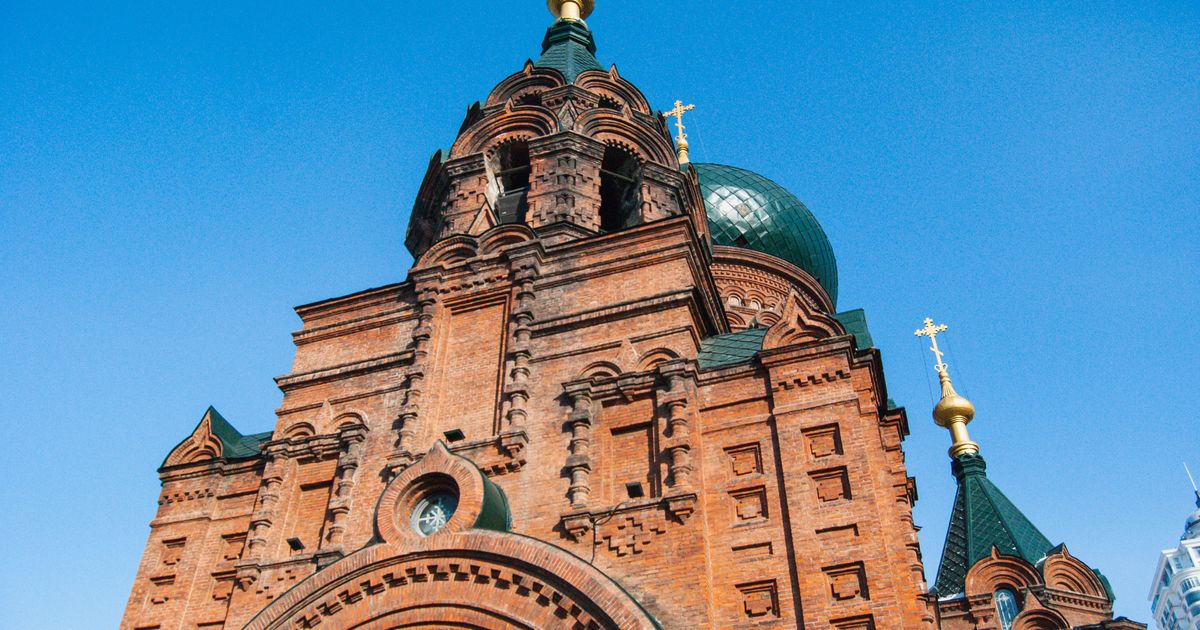
St. Sophia Cathedral is the most photographed building in Harbin, and the clearest surviving reminder of the city's Russian past. It started as a wooden church for Russian railway soldiers in 1907, then was rebuilt in brick starting with a cornerstone ceremony on September 23, 1923, and finished nine years later on November 25, 1932, as the Byzantine-style cathedral standing today, the largest Eastern Orthodox church building in the Far East. The green onion dome and its cluster of tent-roofed bell towers rise about 53 metres above Sophia Square, and the pigeons that wheel over the brickwork have become a Harbin postcard in their own right.
St. Sophia Cathedral in Harbin against a clear winter sky
What to see
The cathedral no longer holds services. Inside, it now works as the Harbin Architecture Art Gallery, with a permanent photo exhibition tracing how a small fishing settlement on the Songhua River grew into a cosmopolitan railway city under Russian and later Chinese administration. The interior brickwork, arches and faded frescoes are worth the short walk-through, but the exterior stays the real draw: come back after dark, when floodlights turn the facade gold and the square fills with locals out for an evening stroll.
Getting in
Walking around the cathedral and the square is free at any hour, no ticket needed for photos from outside. Stepping into the museum costs a modest entrance fee, cheaper to confirm on-site or through your hotel than to quote here since it shifts over time. The gallery generally keeps hours from around 08:30 to 17:00, with shorter winter hours during Harbin's coldest months, so check the day of if you're planning a late-afternoon visit.
Getting there
The cathedral sits in the Daoli district, a short walk from Central Street (Zhongyang Dajie), so the two pair naturally on one outing. Metro Line 2 stops within walking distance, and any taxi or ride-hailing driver will recognize "Suofeiya Jiaotang" if you don't have the address typed out. Most visitors spend 30 to 45 minutes at the square, longer if the museum interests you, before continuing on to Central Street.
When to go
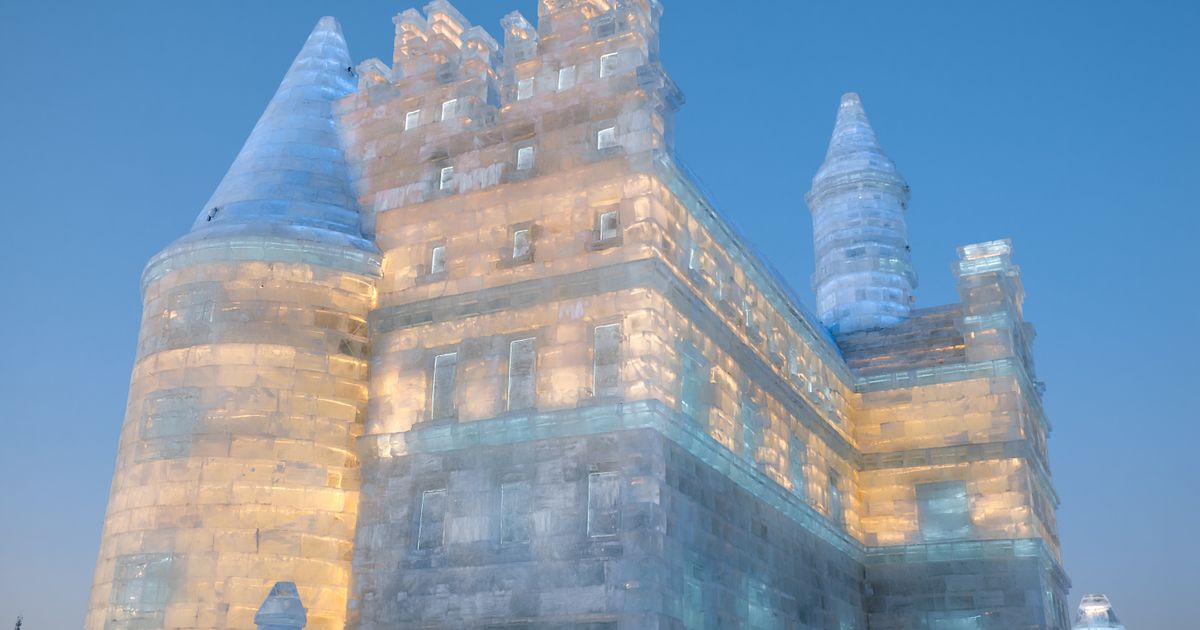
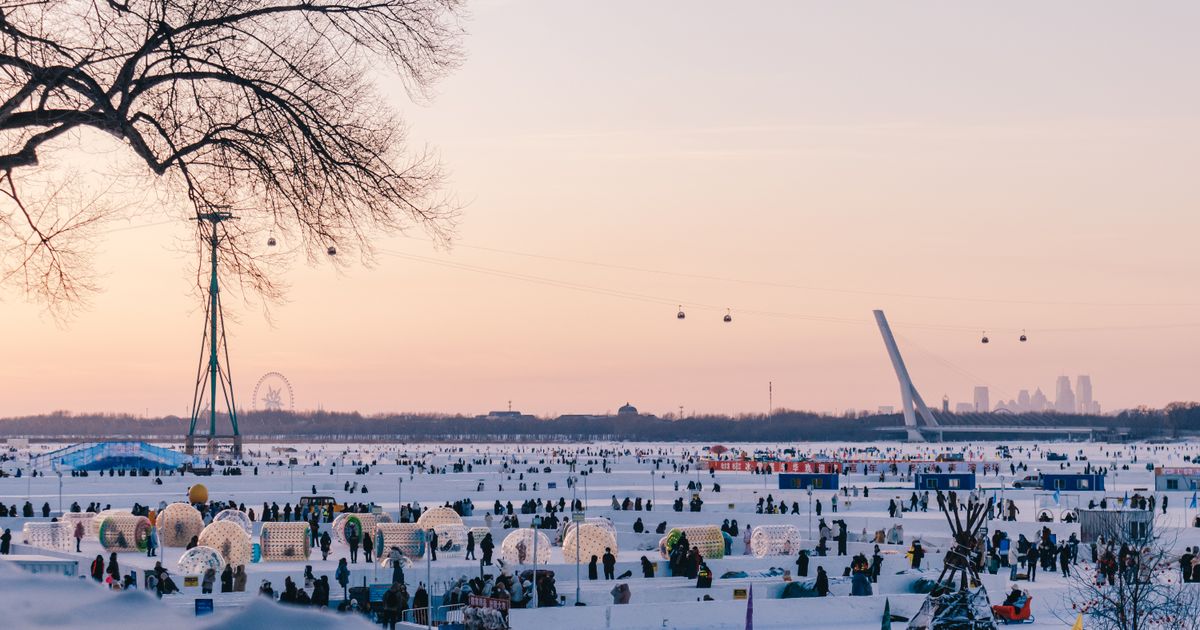
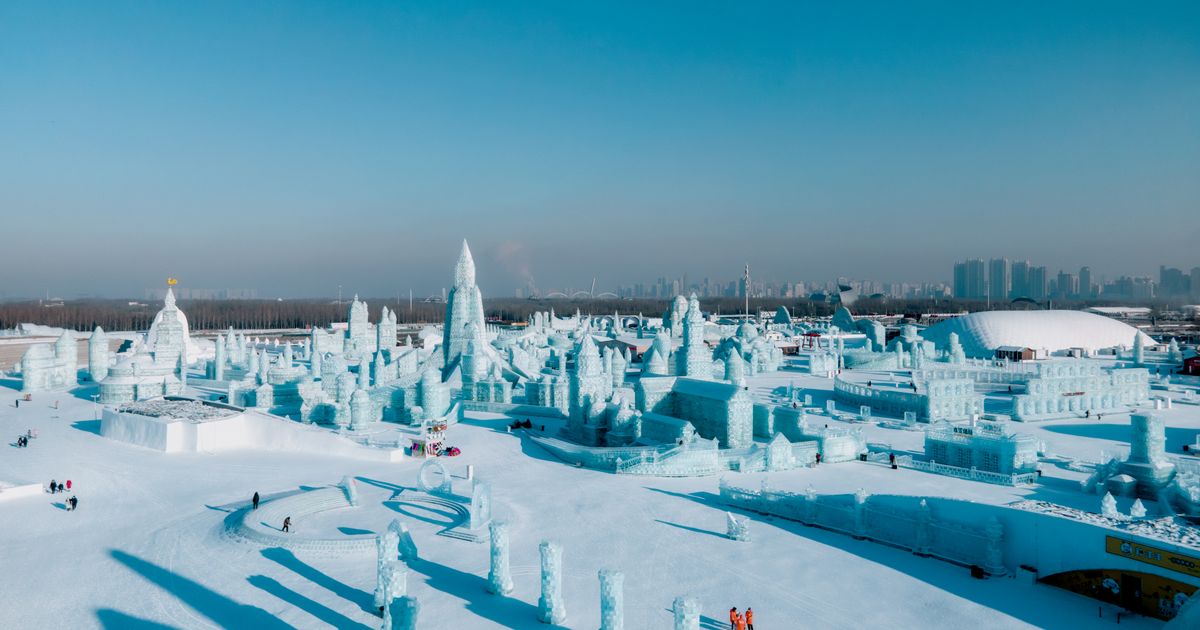
Winter (December to February) is when Harbin's Ice and Snow Festival draws the biggest crowds citywide, and the cathedral square gets a dusting of snow that photographs beautifully against the dome, but layer up: Harbin winters run well below freezing. Early morning light and after-dark floodlighting are the two best windows for photos year-round, since midday sun flattens the brickwork and the square gets busiest with tour groups by late morning.
Highlights
- A 53-metre green onion dome that defines the Harbin skyline
- Byzantine-style brickwork, finished by Russian builders on November 25, 1932
- The largest Eastern Orthodox church building in the Far East
- The Harbin Architecture Art Gallery inside, with historic city photographs
- Sophia Square and its famous flocks of pigeons
- Golden floodlighting that transforms the facade after dark
Travel Tips
Free outside, ticketed inside
You can admire and photograph the cathedral and square for free at any time. Only the gallery inside charges a modest admission fee that's worth confirming on-site since it changes.
Best photo times
Shoot the facade in the soft light just after sunrise to avoid crowds, or after dark when the floodlights are on. The square gets busiest with tour groups by late morning.
Combine with Central Street
The cathedral is a short walk from Central Street, so see both on one outing through the Daoli district.
Layer up in winter
If you're visiting during the Ice and Snow Festival season (December to February), Harbin runs well below freezing; the square is at its most photogenic under fresh snow, but dress for it.