Xining to Lhasa Train 2026: Schedule, Fares & the 5,072m Pass
At 5,072 meters above sea level, the Xining to Lhasa train crosses the highest point on any railway track in the world. Tanggula Pass sits higher than Everest Base Camp, and the carriages that cross it are built more like aircraft cabins than train cars: sealed windows, pressurized air, and an oxygen system that pumps extra oxygen into every compartment as the train climbs. This is the real Qinghai-Tibet railway, running since 2006, not a proposed route. It is one of two classic overland ways into Tibet by rail, alongside the newer Chengdu to Lhasa train, and it remains the fastest and most established option.
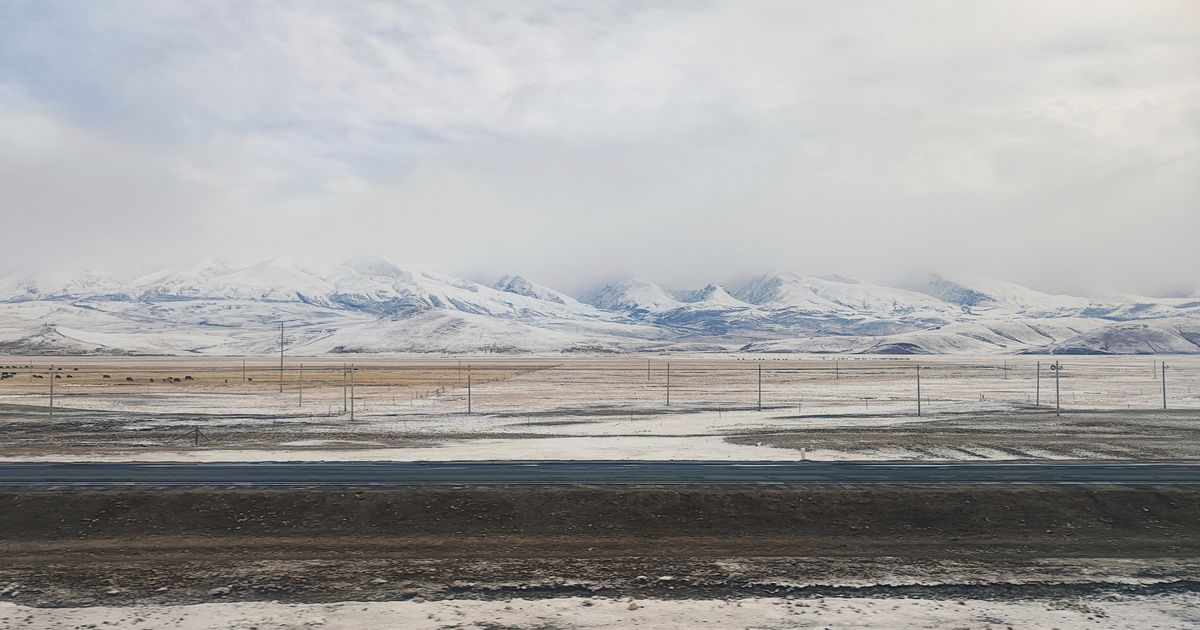
Snow-covered plains and mountains along the Qinghai-Tibet plateau
For step-by-step guidance on registering, choosing between 12306 and Trip.com, and boarding with only your passport, see our complete guide to booking China's high-speed trains.
How long does the Xining to Lhasa train take?
Two direct trains cover the 1,956 km route: 814 km from Xining to Golmud, then 1,142 km from Golmud up onto the plateau to Lhasa. Journey time runs 20 to 22 hours depending on the service.
| Train | Departs Xining | Arrives Lhasa | Duration |
|---|---|---|---|
| Z8981 | 12:50 | 10:20 (next day) | about 21h 30m |
| Z8991 | 21:50 | 18:26 (next day) | about 20h 36m |
Z8991 is the more popular overnight option: you sleep through the first stretch across the Qaidam Basin and wake up already on the high plateau, which some travelers find easier on the body than watching the altitude climb in real time. Schedules shift a little between timetable updates, so confirm exact times close to your travel date.
To book, use the official channel or a reseller. 12306 (the state railway site and app) sells tickets at face value with no service fee, but the interface is only partly translated and payment can be tricky for foreign cards. For a card-friendly checkout in English:
Book Xining to Lhasa Train Tickets
Trains, hotels and connecting flights in one checkout
Some links are affiliate links; we may earn a commission at no extra cost to you.
Sleeper classes and fares
Three classes run on this route. Hard seat is legal but rough for a 20-hour ride at altitude; almost every foreign traveler books a sleeper.
| Class | Approx. one-way fare | Layout | Best for |
|---|---|---|---|
| Hard seat | ¥224 | Upright bench seating | Budget riders on short daytime legs only |
| Hard sleeper | ¥495-521 | 6 bunks per open bay, 3 tiers | Best value for a full night's rest |
| Soft sleeper | ¥781-808 | 4 bunks per closed compartment | More privacy, quieter, easier with luggage |
Fares are net ticket prices in RMB and move slightly year to year, so treat these as planning figures, not a locked quote. If you want a plain-language breakdown of what each class looks like on board, see our guide to China train classes and seats.
What the oxygen system on the train does
This is the detail everyone searches for, and it is worth explaining properly instead of waving at it. The specially built Qinghai-Tibet railway cars are sealed and pressurized, with UV-filtered windows, similar in principle to an airplane cabin. As the train climbs past Golmud (about 2,800 m), a diffusion-type oxygen system begins raising the oxygen concentration inside each carriage, reportedly up to around 23.5%, compared with roughly 21% at sea level. That is on top of the fixed system: staff also distribute individual oxygen outlets with disposable tubing at each seat and berth, so passengers who feel short of breath can supplement further as the train crosses the 4,000-4,500 m average elevation of the plateau and the 5,072 m summit at Tanggula Pass, where Tanggula station, at 5,068 m, is the highest railway station on earth.
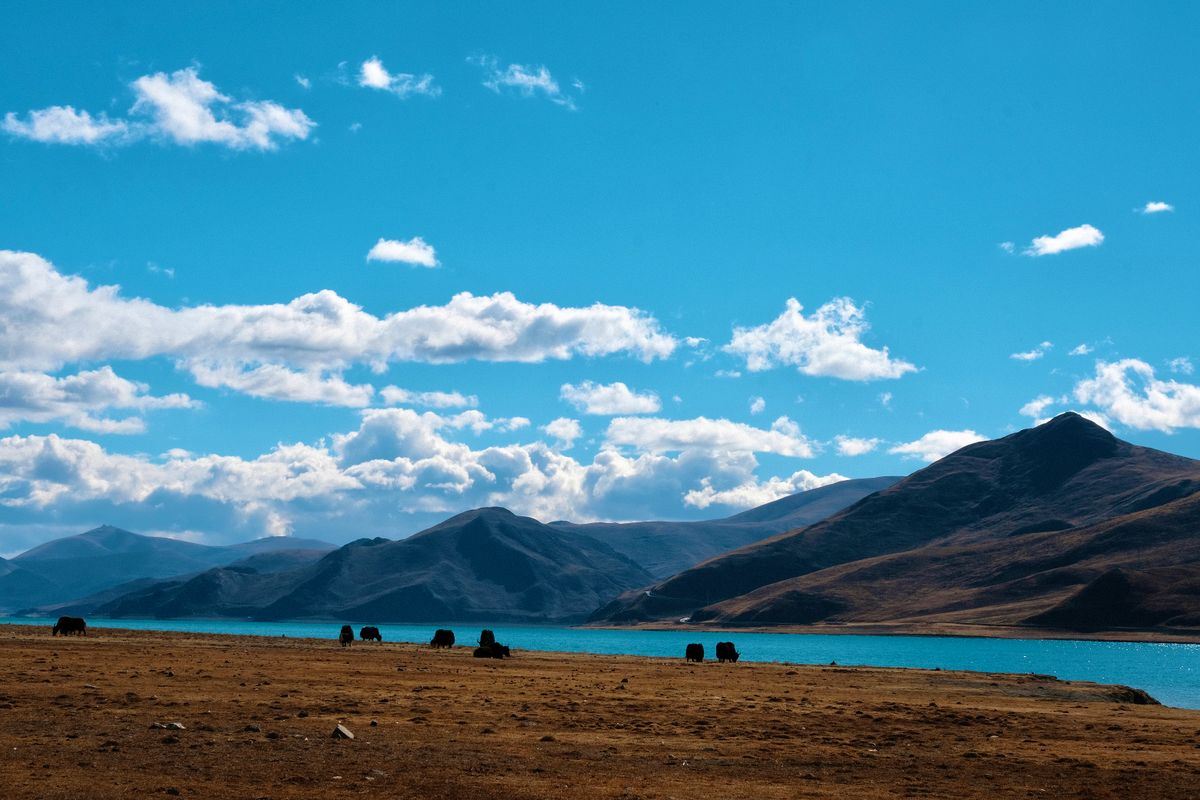
View from inside a train window looking out over railway tracks in Qinghai
None of this makes altitude sickness impossible. It reduces the odds and softens the worst of it for most healthy travelers, which is the honest way to describe it rather than promising a guarantee.
Altitude sickness: what helps on this route
Xining itself sits at about 2,275 m, already higher than Denver. Spend a day or two there before boarding if your schedule allows: it gives your body a head start on acclimatizing before the train pushes past 4,000 m overnight. A few practical points specific to this ride:
- Drink more water than feels necessary and skip alcohol for the trip, dehydration makes altitude symptoms worse.
- Move slowly. Walking to the dining car or the end of the carriage can leave you winded at 5,000 m; there is no rush.
- If you have a history of altitude problems, ask a doctor about acetazolamide (Diamox) before you travel, not once symptoms start.
- Use the individual oxygen line at your berth the moment you feel a headache or nausea coming on. Waiting it out rarely helps.
- Mild headache and breathlessness on exertion are common and usually pass. Chest pain, confusion, or a cough bringing up fluid are not normal and need medical attention at the next station.
Booking your ticket and the Tibet Travel Permit
Foreign travelers need a Tibet Travel Permit to board any train into Tibet, and you cannot apply for it directly. It has to be arranged through a licensed Tibet travel agency as part of a booked tour, and you need the original paper permit in hand before the conductor will let you board, a photo or PDF is not accepted. Build in at least two to three weeks for the agency to process this, longer in peak season (May to October) or if your itinerary includes restricted areas near Kailash or the Nepal border.
For the train ticket itself, 12306 opens sales exactly 15 days before departure and tickets on this route sell out fast, especially in summer. If you are working with a Tibet travel agency for your permit, many will also handle the train booking as part of the package. If you are booking independently, set an alert for the 15-day release window, or use a booking platform that holds inventory further ahead. Our 12306 booking guide for foreigners covers the ID registration and payment steps in detail.
Getting into Lhasa
Trains arrive at Lhasa railway station, about 5 km southwest of the old town and the Potala Palace. Taxis and the airport shuttle bus both stop nearby; expect a 15 to 20 minute ride into the center. Give yourself a full rest day in Lhasa (3,650 m) before any strenuous sightseeing, even after a sleeper train with an oxygen system, your body still needs time to adjust to the city's altitude.
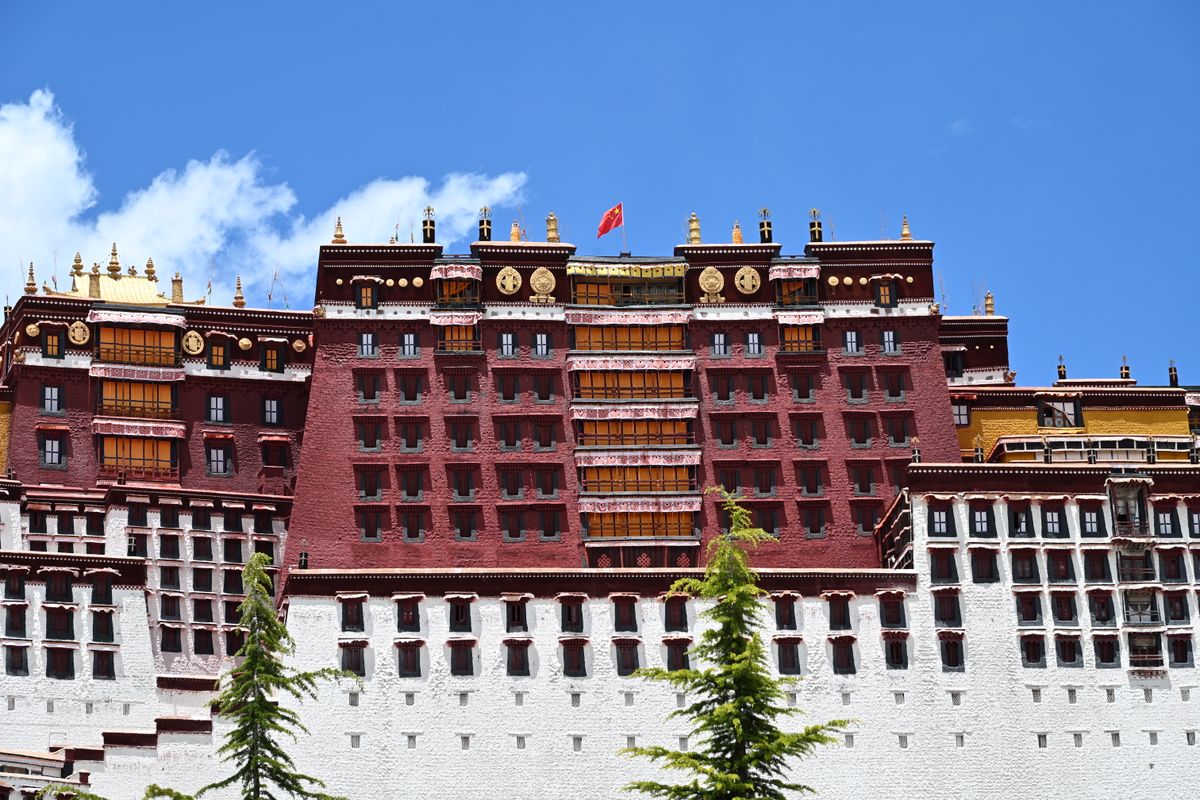
The Potala Palace in Lhasa under a clear blue sky
FAQ
Is Tanggula Pass the highest point on any railway in the world? Yes. At 5,072 m, Tanggula Pass on the Qinghai-Tibet railway is the highest point reached by any railway track globally, and the adjacent Tanggula station, at 5,068 m, is the highest railway station in the world.
Does the train pump in extra oxygen into the carriages? Yes. The carriages are sealed and pressurized, and a diffusion-type system raises the oxygen level inside to around 23.5%. Individual oxygen ports with disposable tubing are also available at every seat and berth if you need more.
Do I need a special permit to take this train? Yes, any foreign national needs a Tibet Travel Permit, arranged through a licensed Tibet travel agency, before boarding a train to Lhasa from anywhere in China. Bring the original paper permit; digital copies are not accepted at the gate.
How far in advance should I book the Xining to Lhasa train? 12306 releases tickets 15 days before departure, and this route sells out quickly in peak season. Book the moment the window opens, or use a platform like Trip.com that can secure tickets further ahead, and coordinate the timing with your Tibet Travel Permit agency.
Hard sleeper or soft sleeper for this specific route? Hard sleeper is comfortable enough for most travelers and costs roughly ¥300 less than soft sleeper. Choose soft sleeper if you want a closed 4-berth compartment for more privacy and quiet, useful if you are traveling with family or want an easier night's sleep before altitude sightseeing in Lhasa.