Best Travel Card for China (2026): Wise, Revolut & ATM Guide
Quick answer: There is no single "best" travel card for China. The best card is any card you can (1) verify with your passport and link to Alipay or WeChat Pay, and (2) use to pull yuan from a UnionPay ATM. Wise and Revolut both do this well and give near-interbank exchange rates; a plain Visa or Mastercard debit card also works once it's linked to Alipay. Getting the setup right matters more than the brand.
People search for the "best travel card for China" expecting one winner. The reality is more useful: China's payment world runs on Alipay and WeChat Pay, and a good travel card is simply one that plugs into those apps cheaply and lets you withdraw cash when you need it. Here is how the popular options actually behave in 2026.
Do foreign cards even work in China?
Partly. Foreign Visa and Mastercard are accepted at high-end hotels, airports, and some department stores, but they do not connect to UnionPay, China's domestic card network. Where a shop or machine takes UnionPay only, which is most street-level places, your foreign card is declined. That gap is exactly why you link the card to Alipay or WeChat: the app pays the merchant in yuan and charges your card in the background.
So the job of your travel card is twofold: feed the apps, and get cash from ATMs. Judge cards on those two things, not on a Visa logo.
Wise vs Revolut vs a normal bank card
| Card | Links to Alipay/WeChat | ATM withdrawals | FX rate |
|---|---|---|---|
| Wise (multi-currency) | Yes, add the physical or virtual card and verify your passport | Works at UnionPay ATMs; small free allowance, then a fee | Mid-market rate, low transparent fee |
| Revolut | Yes on most plans, with passport verification | Fee-free up to your monthly plan limit, then 2% | Mid-market on weekdays; weekend markup |
| Home bank Visa/Mastercard debit | Yes, once linked and verified | Works, but home-bank cash-advance fees and FX markup add up | Depends on your bank, often 2 to 3% |
Wise and Revolut win mainly on transparent, near-interbank exchange rates and low or no foreign-transaction fees. A normal debit card still functions once linked; it just tends to cost more per transaction. Whatever you choose, bring a second card as backup, because occasional declines happen.
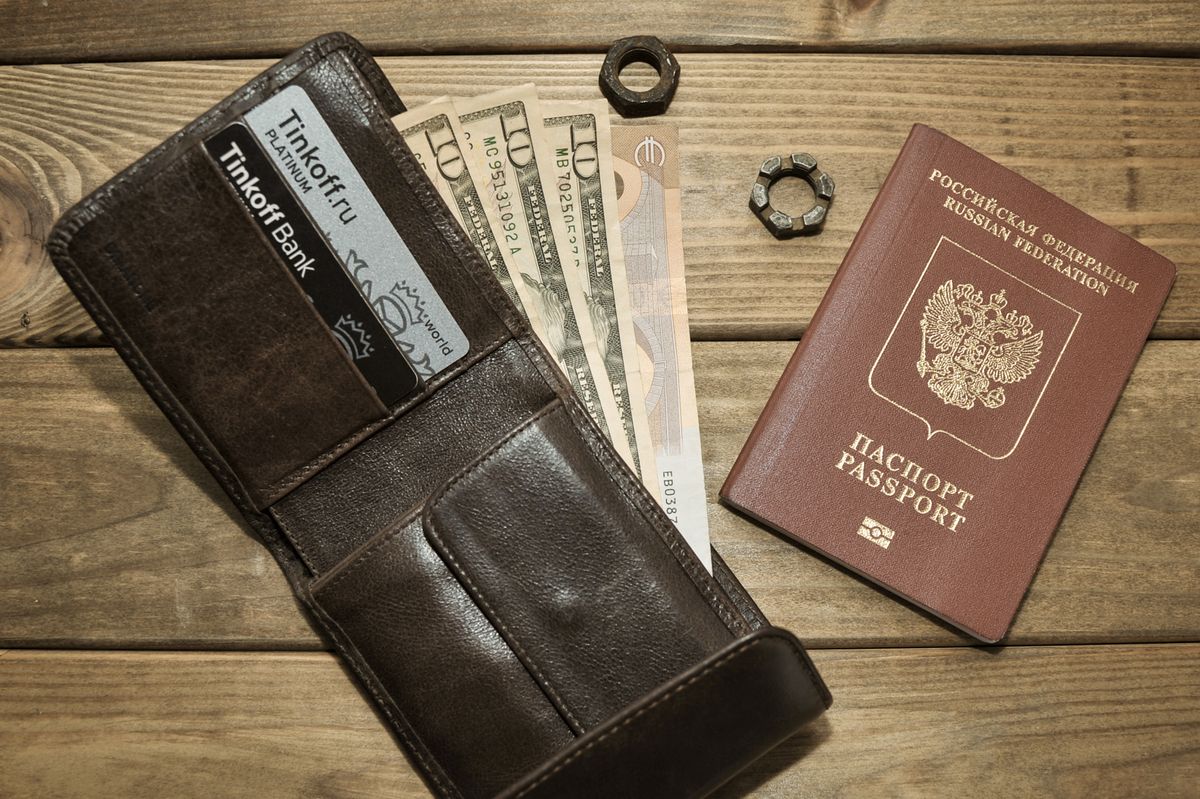
Travel wallet with a card and passport
The step that actually decides whether it works
The make-or-break step is passport verification inside Alipay or WeChat, not the card brand. Both apps require you to verify a real passport before a linked card will clear at the till. A fintech card "linked" without that verification will still be rejected by the merchant. So the order is: install the app, complete passport verification, then add the card. Do this before you fly if you can, on your home Wi-Fi.
Our Alipay setup guide for foreigners walks through the verification screens step by step, and the WeChat Pay guide covers the same for WeChat.
Getting cash out with your card
You will still want some yuan. Any of these cards can withdraw from Bank of China, ICBC, and other major ATMs showing UnionPay, Cirrus, or Plus logos, usually up to about ¥2,500 to ¥3,000 per transaction, within a daily cap of roughly ¥10,000 set by regulators. Expect a Chinese-side ATM fee of about ¥15 to ¥30 per withdrawal on top of your card's own charges, so take out a useful amount at once rather than many small pulls. Full detail is in our guide to withdrawing cash in China.
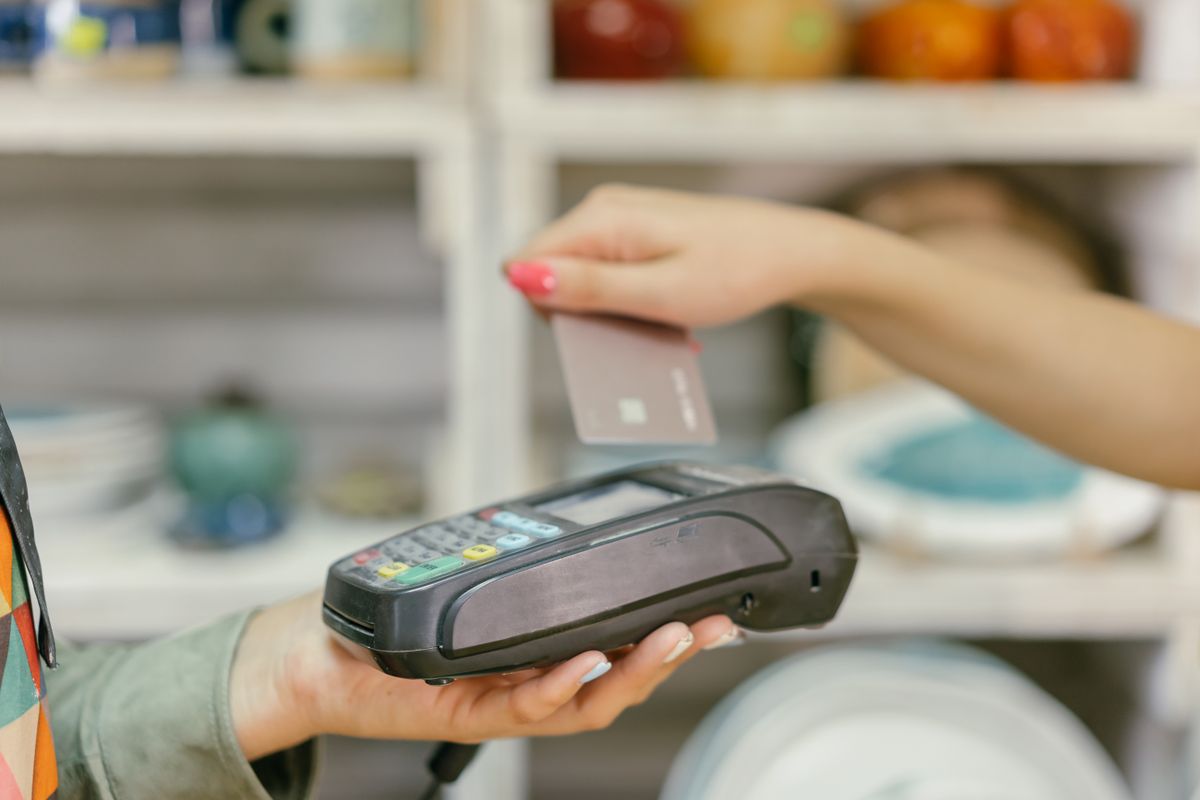
Tapping a card on a payment terminal
You will also need mobile data to run any of this, since the apps need to be online to pay. A local eSIM active on landing means your card and wallet work from the airport.

Some links are affiliate links; we may earn a commission at no extra cost to you.
Common mistakes
- Assuming a shiny travel card alone is enough. Without passport verification in the app, it won't pay at the counter.
- Bringing only one card. If it's declined or the app hiccups, a backup card saves the day.
- Ignoring weekend FX markups on Revolut, or cash-advance fees on a home debit card.
- Relying on tapping the physical card in shops. Most take UnionPay only; the app is your real payment method.
Which card should you actually pick?
For the cheapest rates and clearest fees, Wise or Revolut are both strong, and either is a fine primary card linked to Alipay. If you already hold a low-fee Visa or Mastercard debit card, you may not need a new one at all: link it, verify your passport, and carry a backup. This is a setup question more than a shopping question.
Related: For how mobile pay, cash and cards fit together, see our overview of how to pay in China.
Frequently asked questions (FAQ)
What is the best travel card for China in 2026? Any low-fee card you can verify with your passport and link to Alipay or WeChat Pay. Wise and Revolut are popular for their near-interbank rates, but a linked home-bank debit card also works.
Does the Wise card work in China? Yes. You can add your Wise physical or virtual card to Alipay after passport verification, and use it at UnionPay ATMs. It won't tap directly in most shops, because those take UnionPay only.
Does Revolut work in China? Yes, for linking to Alipay or WeChat on most plans and for ATM withdrawals. Watch the weekend exchange-rate markup and your plan's fee-free ATM limit.
Can I just tap my Visa or Mastercard in Chinese shops? Rarely. Most merchants accept UnionPay or apps only. Link your card to Alipay or WeChat instead of relying on tapping the physical card.
Do I need a UnionPay card for China? Not required, but a foreign-issued UnionPay card is the one card that taps directly almost everywhere and skips the app service fee. For most visitors, a card linked to Alipay covers daily spending. See can you use credit cards in China.