China 240-Hour (10-Day) Visa-Free Transit: 2026 Guide
Quick answer: China's old 72- and 144-hour transit rules are gone. Since December 2024, citizens of 55 countries can transit visa-free for up to 240 hours (10 days), entering through any of 65 ports across 24 regions and moving freely among them. You must be traveling to a third country or region and hold a confirmed onward ticket departing within 240 hours.
Three separate transit windows used to apply depending on which city you landed in: 72 hours here, 144 hours there. China folded all of that into one nationwide 240-hour (10-day) visa-free transit policy, in effect since December 17, 2024 and widened again in November 2025. Land at a qualifying port on your way to a third country or region and you get up to ten full days on the ground, no visa application required.
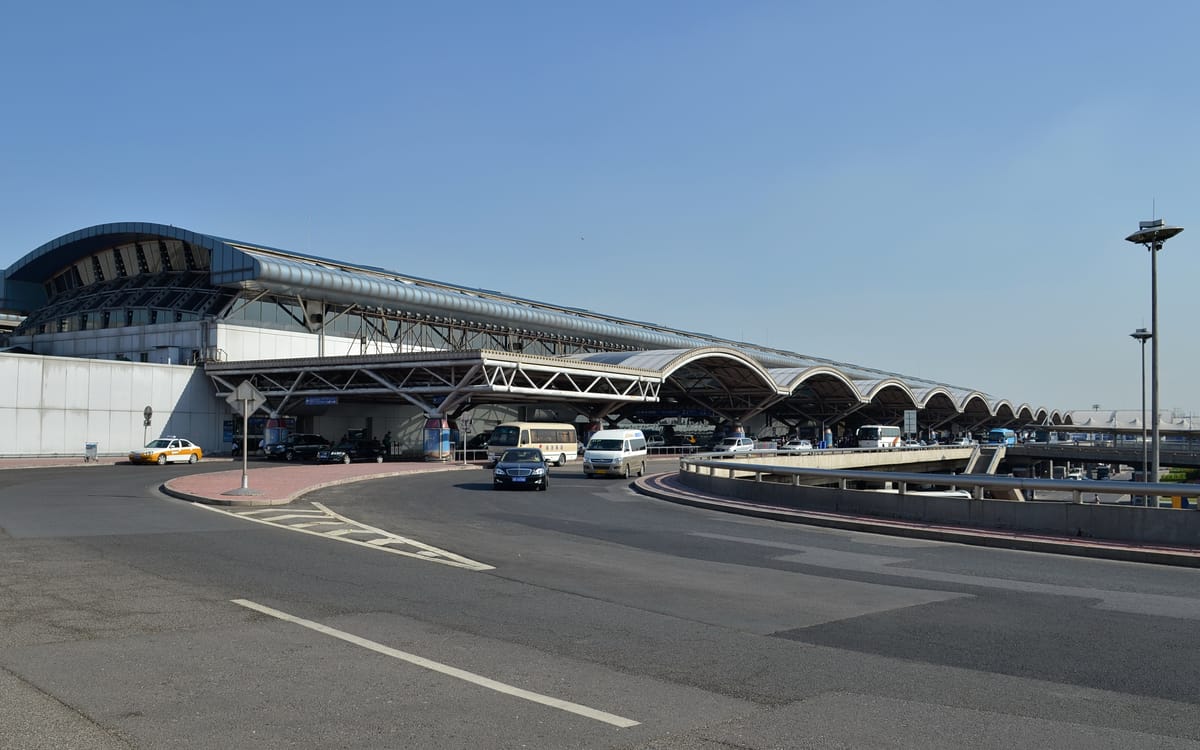
Beijing Capital International Airport Terminal 2, a major designated transit port
Quick Facts
| Field | Current Value |
|---|---|
| Maximum stay | 240 hours (10 days) |
| Eligible countries | 55 (Indonesia added in 2025) |
| Ports of entry | 65 open ports across 24 provinces and regions |
| Onward ticket | Required, confirmed seat and date to a third country/region |
| Area of travel | Free movement across the 24 eligible regions |
This is a big change from the old rules. Under the former 144-hour policy you were usually confined to a single city or province. Today, after entering through a qualifying port you may cross provincial boundaries and travel freely among the 24 participating regions.
Who Qualifies
Citizens of 55 countries are eligible, including the United States, the United Kingdom, almost all of the European Union and Schengen area, Russia, Australia, New Zealand, Canada, Brazil, Mexico, Japan, South Korea, Singapore, the UAE, and, added in 2025, Indonesia. To use the policy you must:
- Hold a passport from one of the 55 eligible countries.
- Be genuinely transiting: arriving from one country/region and departing to a different third country or region.
- Carry an interline or onward ticket with a confirmed date and seat departing within 240 hours.
- Know that Hong Kong, Macau, and Taiwan each count as their own separate third region for this purpose, so a confirmed ticket onward to Hong Kong satisfies the requirement too. If your route touches either, our Hong Kong & Macau entry guide covers the border rules once you get there.
Where You Can Enter and Travel
You may enter through any of the 65 designated ports spread across 24 provinces, autonomous regions, and municipalities, including Beijing, Shanghai, Guangzhou, Chengdu, Xi'an, Chongqing, Hangzhou, and many more. A November 2025 expansion added five new entry points around the Greater Bay Area, including the Hong Kong-Zhuhai-Macao Bridge port and the West Kowloon Station of the Guangzhou-Shenzhen-Hong Kong Express Rail Link.
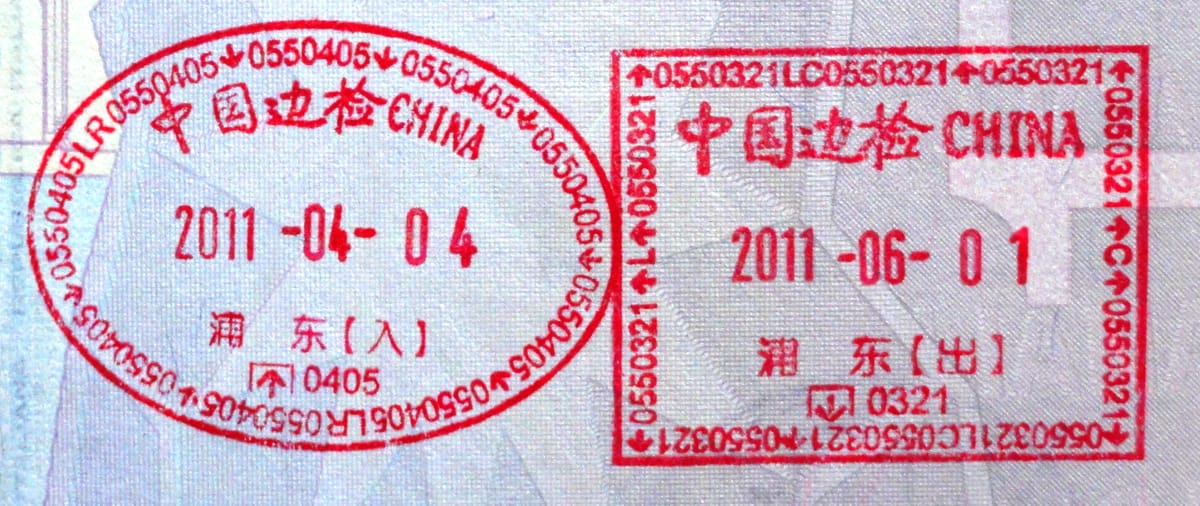
Immigration entry and exit stamps in a passport at a Chinese border checkpoint
A few regions remain outside the program, most notably Tibet and Xinjiang, which still require a standard visa (and, for Tibet, a separate travel permit). Plan your itinerary around the 24 eligible regions.
How the Clock Works
The 240 hours are counted from 00:00 (midnight) on the day after you arrive, not from your actual landing time. So if you land at 6:00 AM on June 1, your countdown begins at midnight on June 2, giving you slightly more than ten calendar days on the ground.
During your stay you may engage in tourism, business, visiting friends or relatives, and exchange activities. Work, study, and journalism still require the appropriate visa obtained in advance.
One rule catches transit travelers who leave the airport for a few nights: China requires every foreign visitor to register where they're staying with local police within 24 hours of arrival. Hotels handle this automatically when you check in and hand over your passport. Staying with friends, family, or in a private rental instead of a licensed hotel means you, or your host, need to register the address in person at the nearest police station.

A traditional Chinese garden and water feature inside Beijing Capital Airport, a relaxing first taste of China for transit passengers
Before You Go: Key Takeaways
- Confirm your nationality is on the current 55-country list and that you enter through one of the 65 ports.
- Book and print your onward ticket to a third country before you fly. Airline staff and immigration will check it.
- Since November 20, 2025 you can complete your arrival card online in advance, free, at the official NIA portal rather than filling out a paper form on the plane. Watch for copycat sites charging a fee for what is a free service; skip it and you can still fill in a paper card or use the kiosk at the port of entry.
- Stay within the 24 eligible regions; skip Tibet and Xinjiang unless you hold a full visa.
- Always verify the latest rules with the official National Immigration Administration or a Chinese embassy before departure, as ports and country lists are still being expanded.
Common mistakes
- Booking a round trip back to your origin. Transit requires onward travel to a different third country or region; flying back to where you came from disqualifies you.
- Thinking you are confined to one city. Under the old 144-hour rules you often were, but the 240-hour policy lets you cross provincial lines among the 24 eligible regions.
- Arriving without a confirmed onward ticket. You need an interline or onward ticket with a fixed date and seat departing within 240 hours; an open or unconfirmed booking can be refused.
- Assuming your nationality qualifies. Only the 55 listed countries are eligible, so confirm on the official NIA list before you rely on the transit route.
- Forgetting accommodation registration once you leave the airport. Transit is visa-free, not registration-free; if you're not sleeping in a hotel, you or your host still need to register your address with local police within 24 hours.
Who this is for
- This guide is for you if you have a layover or stopover in mainland China between two different countries or regions and want to leave the airport and explore visa-free.
- It is especially useful for travelers from the 55 eligible countries planning a multi-day stopover in cities like Beijing, Shanghai or Chengdu.
- It is not for you if you are returning to your country of origin, staying longer than 10 days, or your nationality is not on the eligible list. In those cases you need a regular visa or the 30-day visa-free entry.
Frequently Asked Questions
Do I need a visa to transit through China?
If you hold a passport from one of the 55 eligible countries and are genuinely passing through to a third country or region, you do not need a visa for stays of up to 240 hours (10 days). You must enter through one of the 65 designated ports and carry a confirmed onward ticket. Travelers who do not meet these conditions still need a regular Chinese visa.
How long can I stay, and when does the clock start counting?
You may stay up to 240 hours, which is ten full days. The countdown does not begin when you land; it starts at 00:00 (midnight) on the day after your arrival. So if you land on the morning of June 1, your 240 hours run from midnight on June 2, giving you slightly more than ten calendar days on the ground.
Do I need an onward ticket to a third country?
Yes. The policy is for transit only, so you must hold an interline or onward ticket with a confirmed date and seat departing China within 240 hours, and your destination must be a different third country or region from where you arrived. Airline staff and immigration officers will check this ticket, so book and print it before you fly.
Can I travel freely between cities and provinces?
Yes. Unlike the old 144-hour rule that often confined you to a single city or province, the 240-hour policy lets you move freely across the 24 participating provinces, autonomous regions, and municipalities. A few areas remain outside the program, most notably Tibet and Xinjiang, which still require a standard visa, so plan your route around the 24 eligible regions.
Which countries are eligible, and is Indonesia included?
Citizens of 55 countries qualify, including the United States, the United Kingdom, most of the EU and Schengen area, Russia, Australia, New Zealand, Canada, Japan, South Korea, and Singapore. Indonesia was added to the list in 2025. Because the country list and ports are still being expanded, always confirm your nationality with the official National Immigration Administration before departure.
Not sure if you even need a visa?
Check your China visa-free eligibility →
Sources
- Visa-Free Transit Policies · National Immigration Administration of China
- China Extends 240-hour Visa-Free Transit Policy · National Immigration Administration of China