Zhangjiajie Culture: Tujia Traditions Behind the Peaks
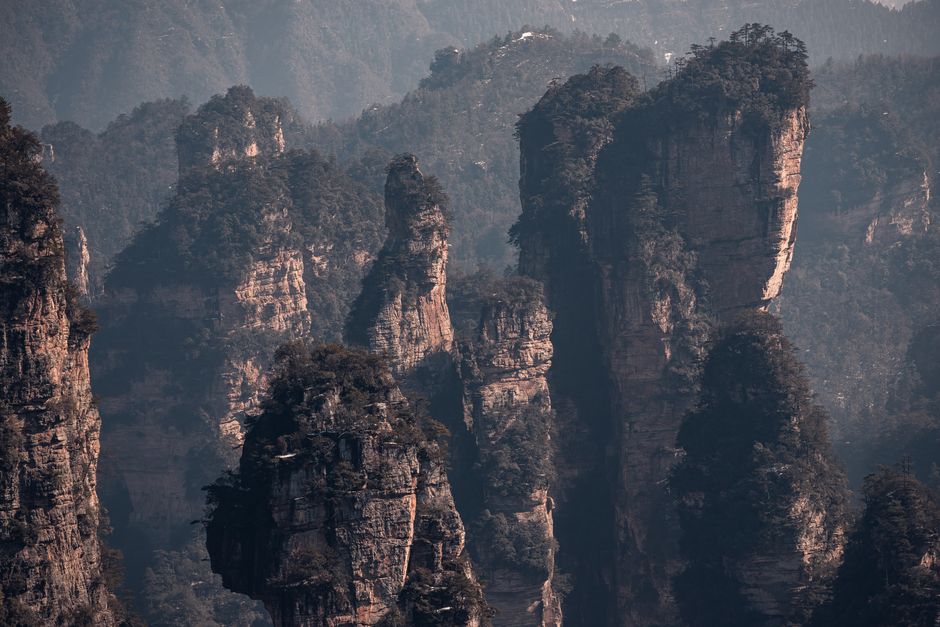
Zhangjiajie is known internationally for the dramatic sandstone landscape of Wulingyuan, inscribed on UNESCO’s World Heritage List in 1992. The cultural story is just as important for travelers who want to look beyond viewpoints. The official Zhangjiajie UNESCO Global Geopark describes the area as a predominantly Tujia ethnic-minority settlement, where villages, stilted houses, dance, and ritual performance form part of the cultural landscape.
Start with the Tujia context
Treat local culture as a living part of the region, not as scenery between sightseeing stops. The Geopark identifies Tujia villages and stilted houses among Zhangjiajie’s cultural landscape resources. These are useful clues for paying attention: look for the relationship between homes, communal spaces, performance, and everyday village life rather than expecting a single museum-style summary.
A respectful visit begins with curiosity. If you attend a performance or enter a village setting, observe first, ask before taking close portraits, and avoid turning people’s homes or religious activity into a photo prop. A little restraint usually creates more room for a genuine encounter.
What are Tujia stilted houses?
The official Geopark includes stilted houses in its description of the area’s cultural resources. For a traveler, that means architecture is part of the cultural landscape, not merely a backdrop.
When you see a stilted house, slow down and notice its setting. Is it part of an active settlement? Is it being used as a home, a community space, or a visitor-facing venue? Those distinctions matter. A building can be visually striking while also belonging to someone’s daily life.
A simple way to look more closely
- Notice how the building sits on its site rather than focusing only on its facade.
- Keep voices low around residential spaces.
- Ask permission before photographing people, doorways, or interiors.
- Choose conversation and observation over staged assumptions about what “traditional” should look like.
The Hand-waving Dance tells stories
Xiangxi Tujia Hand-waving Dance is more than a short dance display. China’s Intangible Cultural Heritage Digital Museum documents it as a traditional performance that combines song, dance, music, and drama. Its repertoire depicts Tujia history and everyday life, including migration, hunting, weaving, farming, warfare, food, and domestic life.
That breadth changes how it is worth watching. Look for movement and music as narrative tools. The performance can carry memories of work, family life, travel, food, and collective experience, rather than functioning as a decorative interlude. You do not need to recognize every reference to appreciate that the dance has a storytelling role.
If a host or performer offers context, listen for the specific story behind a section. A question such as “What part of life does this dance describe?” is more useful than asking for a generic explanation of local culture.
Maogusi dance and Tima performances
The Zhangjiajie UNESCO Global Geopark also identifies Maogusi dance and Tima ritual performances as cultural landscape resources. These names are worth remembering because they point beyond a single, simplified idea of Tujia tradition.
Travelers do not need to arrive with expert knowledge. The better approach is to acknowledge limits: performances can have ceremonial, community, and artistic meanings that are not always obvious to an outside visitor. If you encounter one, let the setting and local explanation lead. Do not assume that every presentation has the same purpose or that it exists solely for visitors.
Build culture into a Zhangjiajie visit
A culture-focused day does not need a rigid checklist. Pair time in the Wulingyuan landscape with time to notice the human places around it. Read the interpretive material available on site, pay attention to the names used by local guides and hosts, and leave space for a performance or conversation when it is offered in an appropriate setting.
The key is to avoid separating nature from people. UNESCO recognition brings attention to Wulingyuan’s scenery, while the Geopark’s cultural description shows that Tujia settlement, architecture, dance, and ritual are also part of how the place is understood.
Practical takeaways
- See Zhangjiajie as both a landscape destination and a predominantly Tujia cultural area.
- Use stilted houses and villages as prompts to observe respectfully, not as set pieces.
- Watch the Hand-waving Dance for the stories it carries about work, migration, food, and domestic life.
- Approach Maogusi and Tima performances with attention to their local context.
- Let local voices explain local traditions whenever possible.
FAQ
Which community is central to Zhangjiajie’s cultural landscape?
The official Zhangjiajie UNESCO Global Geopark describes the area as a predominantly Tujia ethnic-minority settlement.
What does the Tujia Hand-waving Dance include?
It combines song, dance, music, and drama. Its repertoire depicts Tujia history and everyday life, including migration, hunting, weaving, farming, warfare, food, and domestic life.
Why are stilted houses relevant in Zhangjiajie?
The Zhangjiajie UNESCO Global Geopark identifies Tujia villages and stilted houses as part of the area’s cultural landscape resources.
Is Wulingyuan a UNESCO World Heritage site?
Yes. UNESCO inscribed the Wulingyuan Scenic and Historic Interest Area on the World Heritage List in 1992.
Sources
- Wulingyuan Scenic and Historic Interest Area · UNESCO World Heritage Centre
- Zhangjiajie UNESCO Global Geopark · Zhangjiajie UNESCO Global Geopark
- Tujia Hand-waving Dance · China Intangible Cultural Heritage Digital Museum