Chinese Gift-Giving Etiquette: What to Give and Avoid (2026)
A good gift in China is modest, useful, and matched to the relationship. Tea, fruit, a specialty from your home region, or a small item for the host’s family usually works. The object matters less than avoiding a burden, an awkward price, or a symbol associated with separation or bad luck.
Gift customs vary by generation, city, and family. A young friend in Shanghai may laugh at an old taboo that a grandparent takes seriously. When you do not know the recipient well, choose a safe item, explain why you brought it, and keep the presentation low-key.
What gifts are safe choices in China?
| Situation | Good options | What to check |
|---|---|---|
| Dinner at someone’s home | Fruit, tea, pastries, regional food | Allergies, alcohol use, and household size |
| Meeting a friend’s parents | Quality tea, a home-country specialty, fruit | Avoid an item that looks too expensive |
| Business visit | Branded company item, book, regional craft | Employer compliance and value limits |
| Chinese New Year visit | Packaged food, oranges, gift for children | Ask a local friend about red-envelope expectations |
| Thank-you gift | Small consumable or useful souvenir | Make gratitude clear, not repayment for a favor |
Tea is a dependable choice when you know the person drinks it. Buy sealed tea from a reputable shop, keep the receipt, and avoid claiming that a high price equals quality. Fruit baskets suit family visits, while individually packed snacks are easy to share at an office.
A specialty from your own country creates a natural conversation. Choose something that travels well and is legal to bring through customs. Meat products, fresh produce, seeds, and some dairy items can face import restrictions, so check current customs rules before packing food.
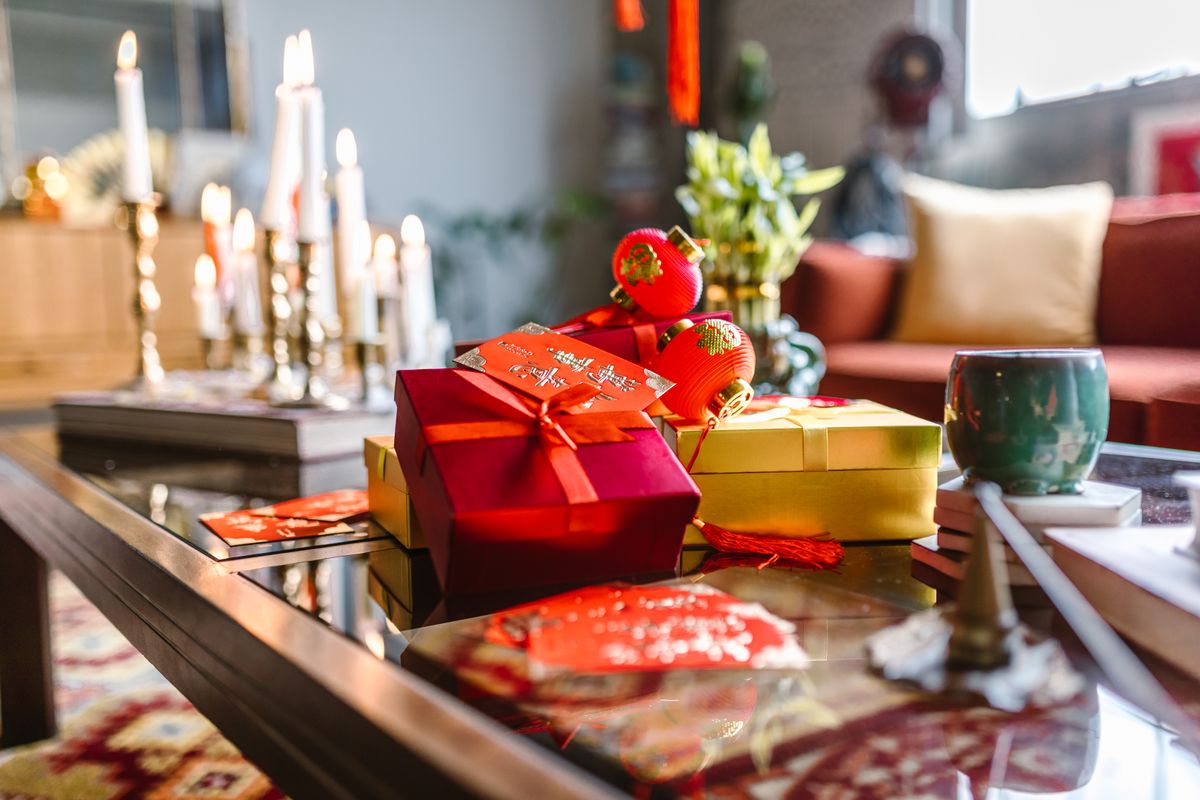
Red and gold gifts for a Chinese celebration
Which gifts and symbols should you avoid?
Several traditional associations still shape gift etiquette:
- Clocks: the phrase for giving a clock sounds like attending someone’s final rites. Do not give one to an older person.
- Sets of four: the word for four sounds close to the word for death in several Chinese languages. Avoid four-piece gift sets when a safer number is available.
- Shoes: in some contexts, the word sounds like “evil” or suggests walking away.
- Umbrellas and pears: their names can sound like separation, so they are poor choices for a partner or close family.
- Green hats: the phrase implies that a man’s partner is unfaithful. Never give a green hat as a joke.
- Sharp objects: knives and scissors can symbolize cutting a relationship.
- White flowers: white chrysanthemums and similar funeral associations make them risky as a social gift.
These are caution signs, not rules applied identically by 1.4 billion people. A chef may welcome a knife chosen together, and a friend may request running shoes. A requested practical gift beats a symbolic rule. Surprises call for the safer option.
Do colors and numbers matter?
Red and gold are common celebratory colors, especially for New Year, weddings, and milestones. White and black can carry mourning associations, so avoid wrapping a festive gift entirely in those colors. Modern shops often use neutral packaging without causing offense.
Even numbers often feel suitable because pairs suggest harmony. Eight is associated with prosperity and is popular in prices and red-envelope amounts. Six can suggest that things will go smoothly. Four is the number most often avoided. Do not turn this into arithmetic theater: a thoughtful ¥198 gift is not rude because the total is not a symbolic number.
Remove the price sticker, but do not destroy a return barcode or warranty information the recipient may need. Keep the receipt separately and offer it if the item may need exchange.
How should you present and receive a gift?
Offer the gift with both hands and a short explanation: “I brought this tea from my hometown for your family.” The recipient may refuse once or twice out of politeness. Offer again without pushing. If they continue to decline, accept the answer.
The recipient may set the gift aside instead of opening it in front of you. This can reduce attention to price and prevent comparisons among guests. It is not a sign of dislike. In other families, everyone opens gifts at once. Follow the host’s lead.
When receiving, take the item with both hands, thank the giver, and avoid commenting on the price. A return gift is not required immediately. Reciprocity often happens at a later visit or holiday.
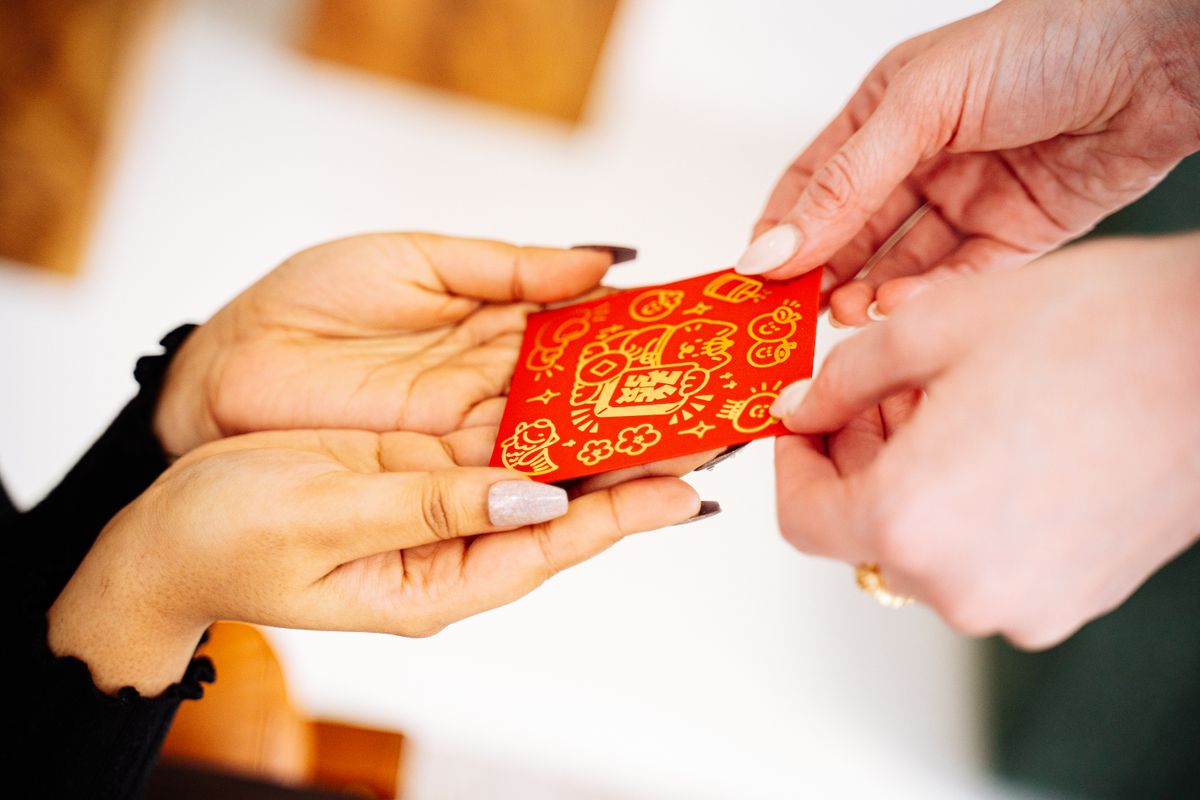
Hands exchanging a red envelope
Red envelope etiquette for travelers
A red envelope, hongbao, holds money and appears at Chinese New Year, weddings, births, and other celebrations. It is not a universal substitute for a present. The relationship and event determine whether cash is warm, expected, or awkward.
For a wedding, ask a mutual friend about the local norm and whether the couple uses a digital or physical envelope. For children at New Year, parents or close family friends may give hongbao, but a short-term visitor should not invent a large amount. Follow the host family’s pattern.
Use new banknotes when giving a physical envelope. Avoid amounts centered on four. Do not flash the amount in front of other guests. Digital hongbao inside WeChat is common among friends, but it requires an active payment setup and may not suit a formal event.
What changes in a business setting?
Company policy comes before social custom. Government bodies, state-owned firms, multinationals, and regulated industries may prohibit gifts or set a low value limit. Ask your host or compliance contact before bringing anything.
A modest company-branded item or regional book is safer than luxury alcohol, cash, gift cards, or an expensive personal object. Give a group gift to the organization rather than a valuable item to one decision-maker. Never connect a gift to a contract, permit, inspection, or favorable decision.
Present a business gift after the meeting rather than during negotiation. If the other side declines because of policy, do not insist. A written thank-you note may be the better gesture. For more context, read our China business etiquette guide.
Gifts for a home visit
Ask whether the family drinks alcohol before bringing wine or spirits. Health, religion, medication, and personal preference matter more than prestige. If children live in the home, a small age-appropriate book or toy can complement a shared food gift.
Bring enough fruit or pastries for the household, not one personal portion. Hosts may place your gift on the table for everyone. Avoid creating extra work with an item that needs immediate cooking, refrigeration, assembly, or explanation in a language no one reads.
Chinese dining customs also influence the visit. Arrive on time, let the host indicate seating, and do not force anyone to drink. Our Chinese dining etiquette guide covers the meal itself.
Common mistakes
- Buying an expensive gift that creates pressure to reciprocate.
- Treating every traditional taboo as a joke.
- Giving alcohol without checking whether the recipient drinks.
- Opening someone else’s gift for them or demanding an immediate reaction.
- Insisting after a clear refusal.
- Giving cash in a business setting without understanding compliance rules.
- Bringing food that customs may not allow into China.
A simple decision rule
Match the gift to the person, keep the value comfortable, choose red, gold, or neutral wrapping, and include a short story about where it came from. If the relationship is formal, confirm policy first. If the recipient has requested something specific, that request carries more weight than a general taboo.
Frequently asked questions
What is the best gift to bring to a Chinese family?
Tea, fruit, packaged pastries, or a regional specialty are safe starting points. Check allergies and alcohol preferences, and bring enough to share.
Is it rude to open a gift immediately in China?
Not always. Some people wait to avoid focusing on value; others open gifts with guests. Follow the host’s behavior and do not demand a reaction.
Why should you not give a clock in China?
The Chinese phrase for giving a clock sounds like a phrase connected with final rites. The association is strongest with older recipients, so another gift is safer.
How many times should someone refuse a gift?
There is no fixed number. A polite refusal can happen once or twice. Offer again gently, then respect a continued no.
Can a foreign visitor give a red envelope?
Yes, when the event and relationship make it appropriate, such as a wedding or a family New Year visit. Ask a local friend about the amount and format rather than guessing.