Hangzhou
Qinghefang Old Street (Hefang Street), Hangzhou
Every large Chinese city has a restored "old street," and Hefang Street is Hangzhou's: pedestrian, lantern-lit and thick with snack stalls. What sets the Qinghefang quarter apart is that it is genuinely old ground. This was the commercial heart of Hangzhou when the city was the Southern Song capital more than eight centuries ago, and among the souvenir fronts are businesses that have traded here since the Qing dynasty. It sits at the foot of Wu Hill, a short walk from the southeast corner of West Lake, which makes it the natural evening add-on to a lake day.
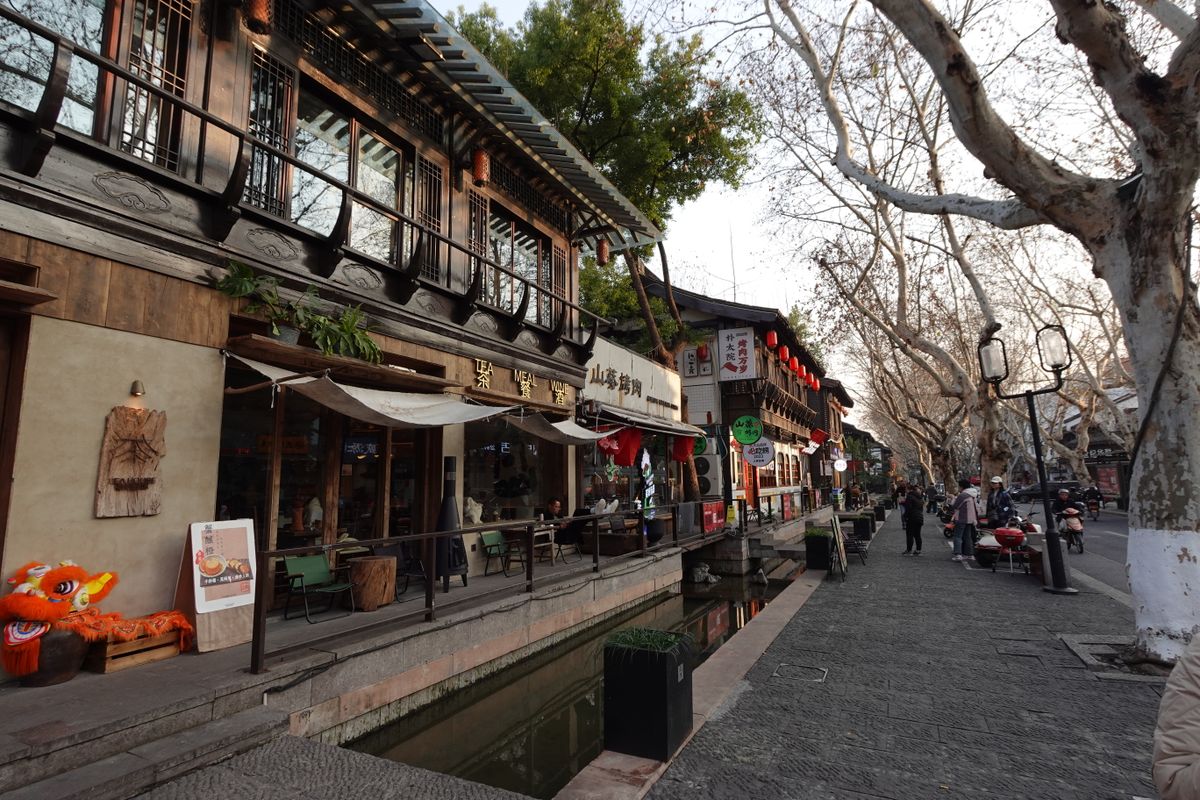
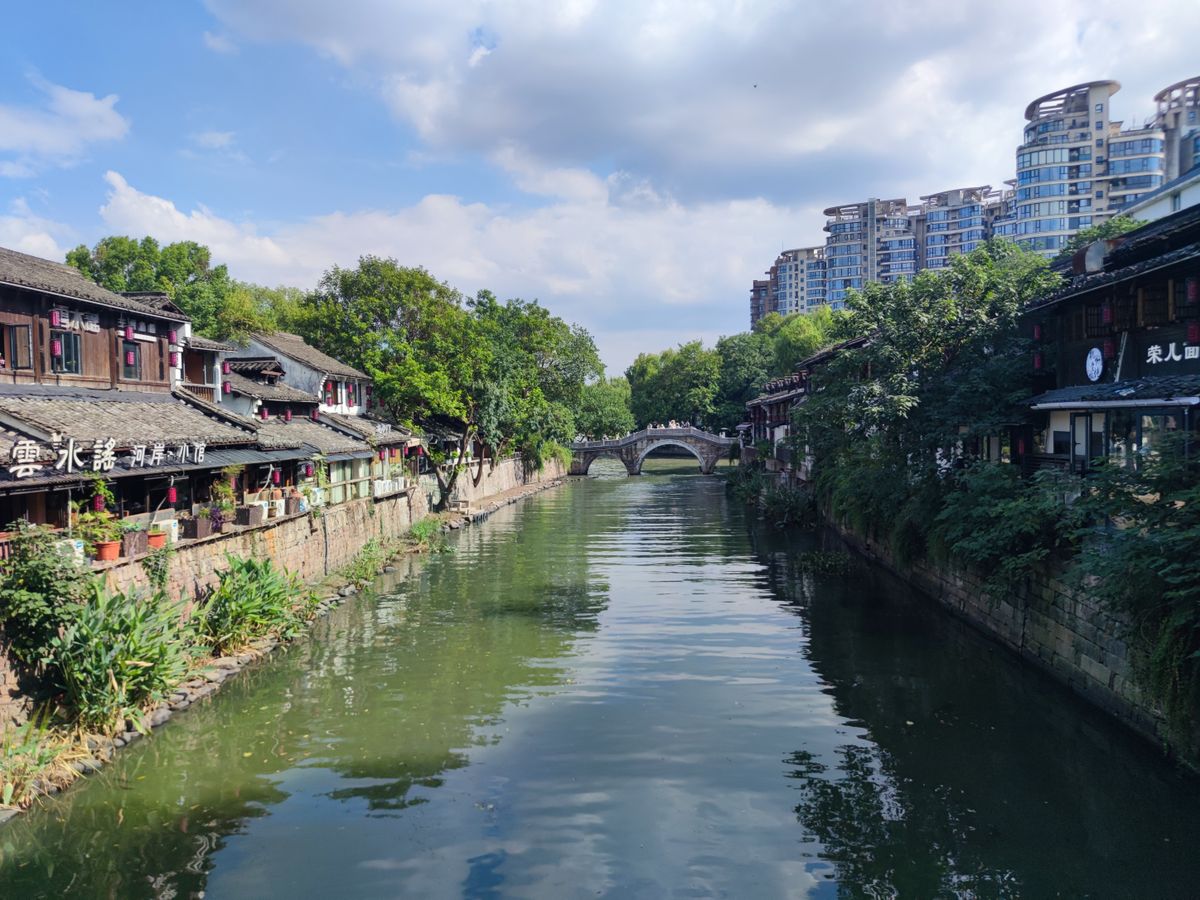
Restored Qing-style shopfronts and lanterns along Qinghefang
Start at the medicine hall
The one stop that separates Qinghefang from any other snack street is Huqingyutang, the Chinese medicine hall founded by the Qing-era banker Hu Xueyan and opened in 1878. It is two things at once: a working pharmacy where locals still fill herbal prescriptions at the counter, and a museum of traditional Chinese medicine (open since 1991) set in a courtyard building of carved timber and gilt signboards. Admission to the museum side is a small fee, worth it for the interior alone. Herb-cutting demonstrations and drawers of dried ingredients give you a feel for how Chinese pharmacies worked long before pill bottles.
Eat your way down the street
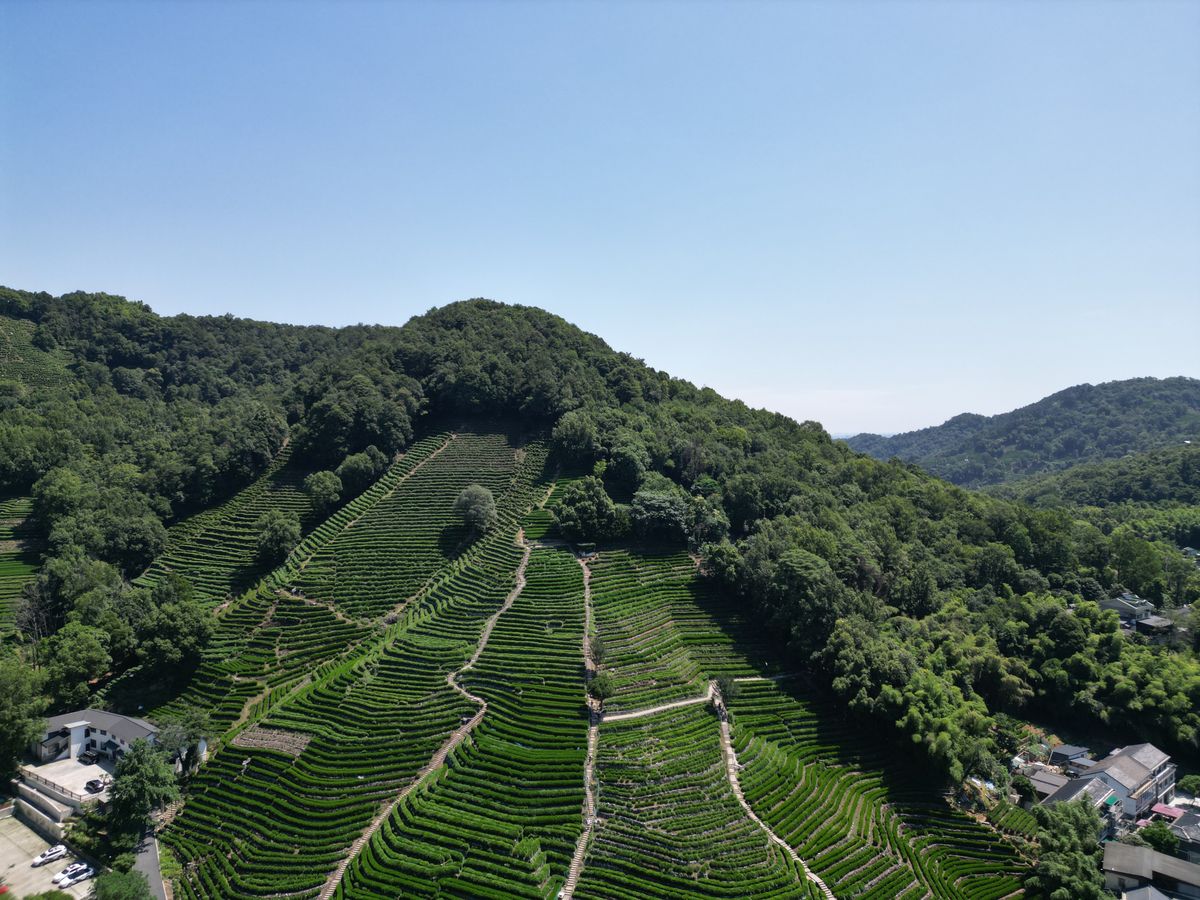
Come hungry. The stalls run from dingsheng cakes (a steamed rice-flour sweet tied to a local general's legend) to blown-sugar figures shaped while you watch, plus stinky tofu, osmanthus sweets and Longjing tea from the hills just west of the lake. Between the food, the lane keeps its old trades: fan and silk shops, scissor makers, seal carvers who will cut your name in stone while you wait, and calligraphers working at open tables. Prices at the stalls are posted, so grazing is low-risk; tea, by contrast, varies wildly in quality and cost, and the calmer shops off the main drag are usually the better buy.
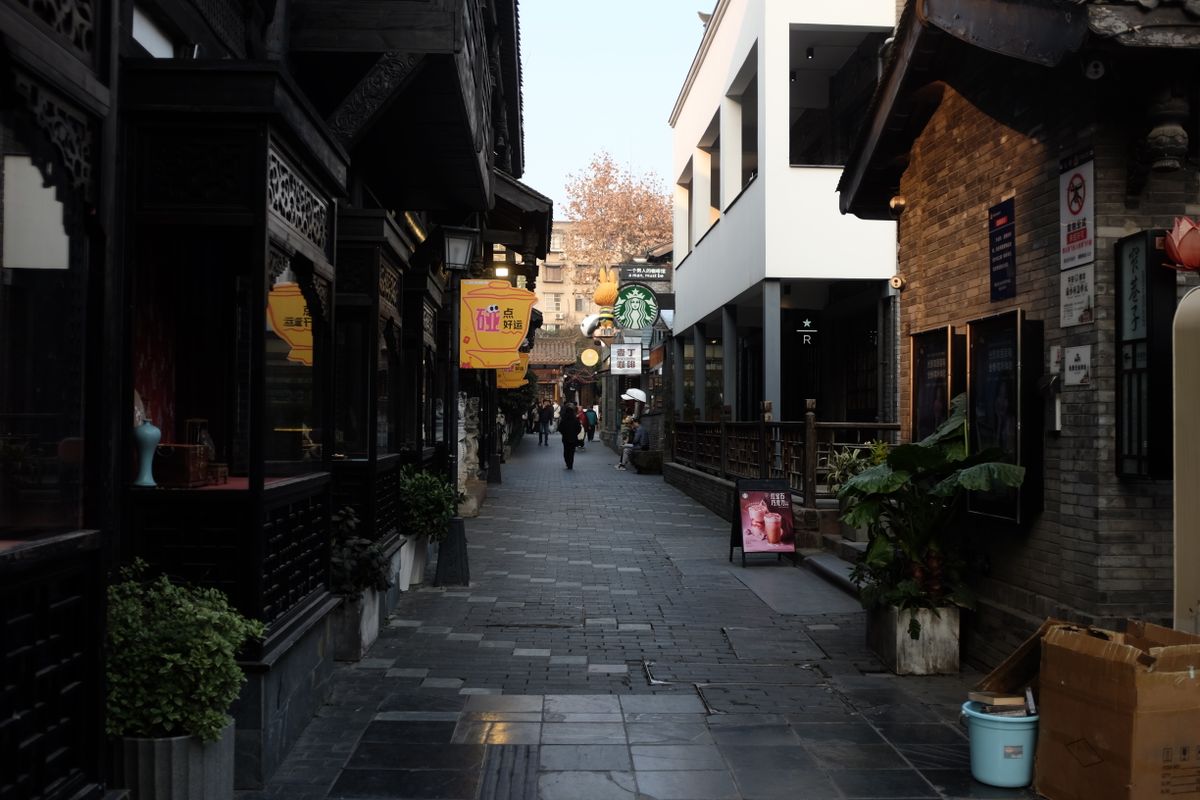
A quiet historic alley lined with traditional buildings off Hefang Street
Where it crosses the Imperial Street
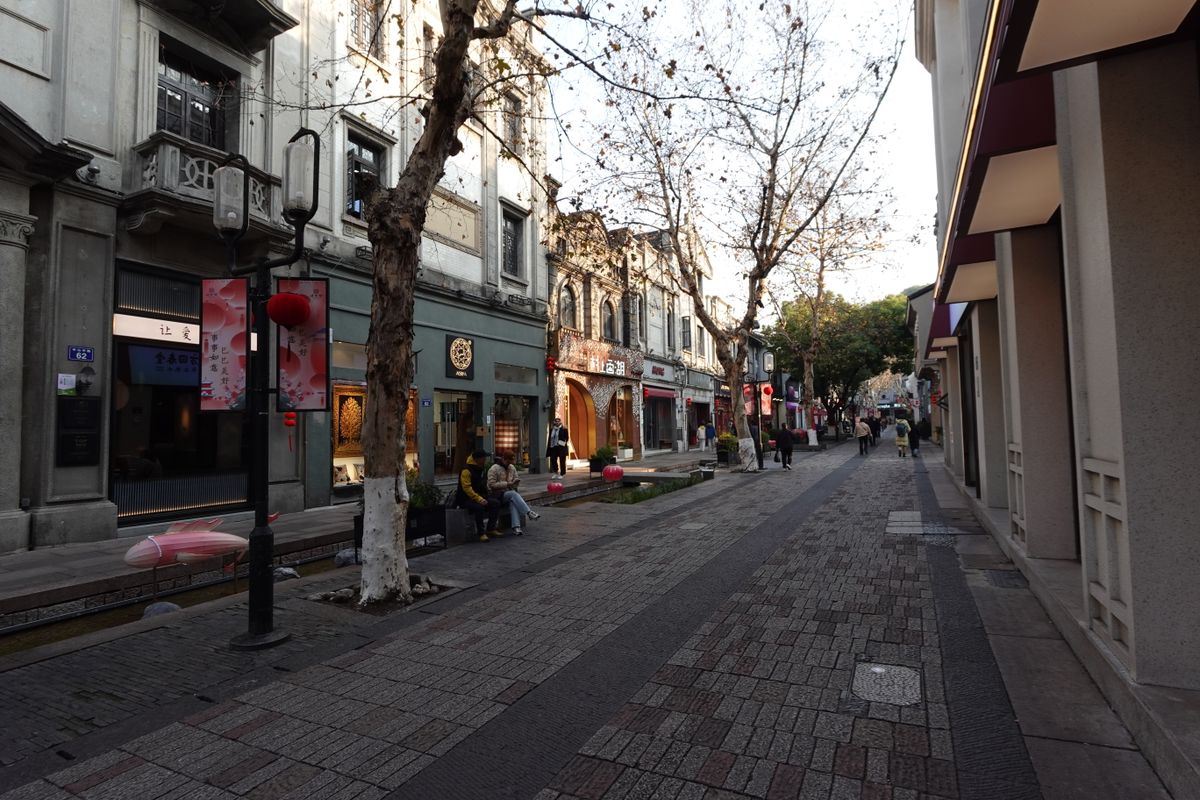
Walk east and Hefang Street meets the Southern Song Imperial Street (the middle-southern stretch of Zhongshan Road) near the Drum Tower, a rebuilt gate tower on a site used for timekeeping for over a thousand years. The Imperial Street was the axis the Song emperors travelled between palace and temples, and its restored blocks are noticeably quieter than Hefang Street itself: plane trees, small museums, older residents playing cards. If the main lane's crowds wear you down, this cross-street is the escape hatch, and it stays pleasant after dark.
Up Wu Hill for the view
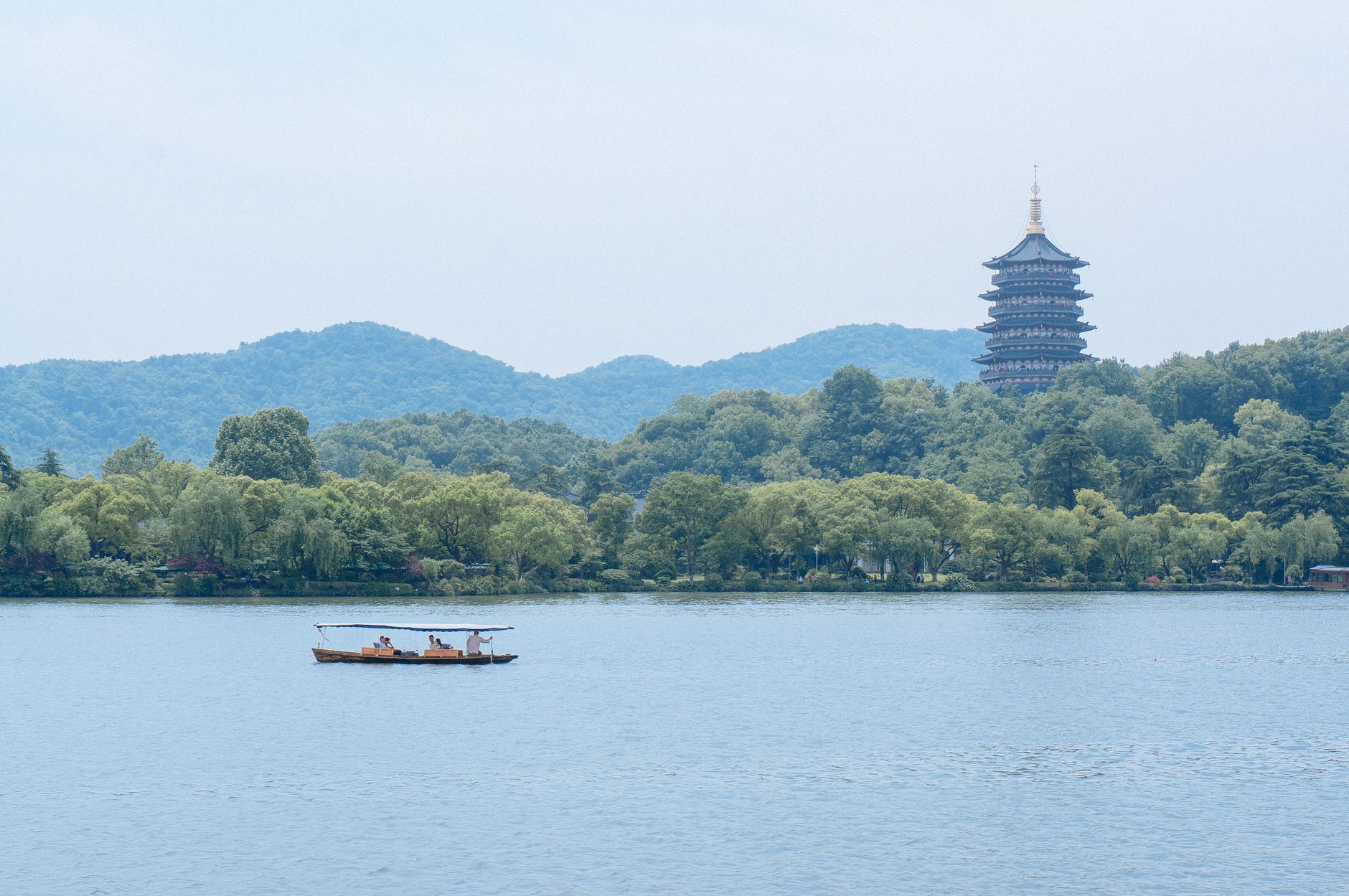
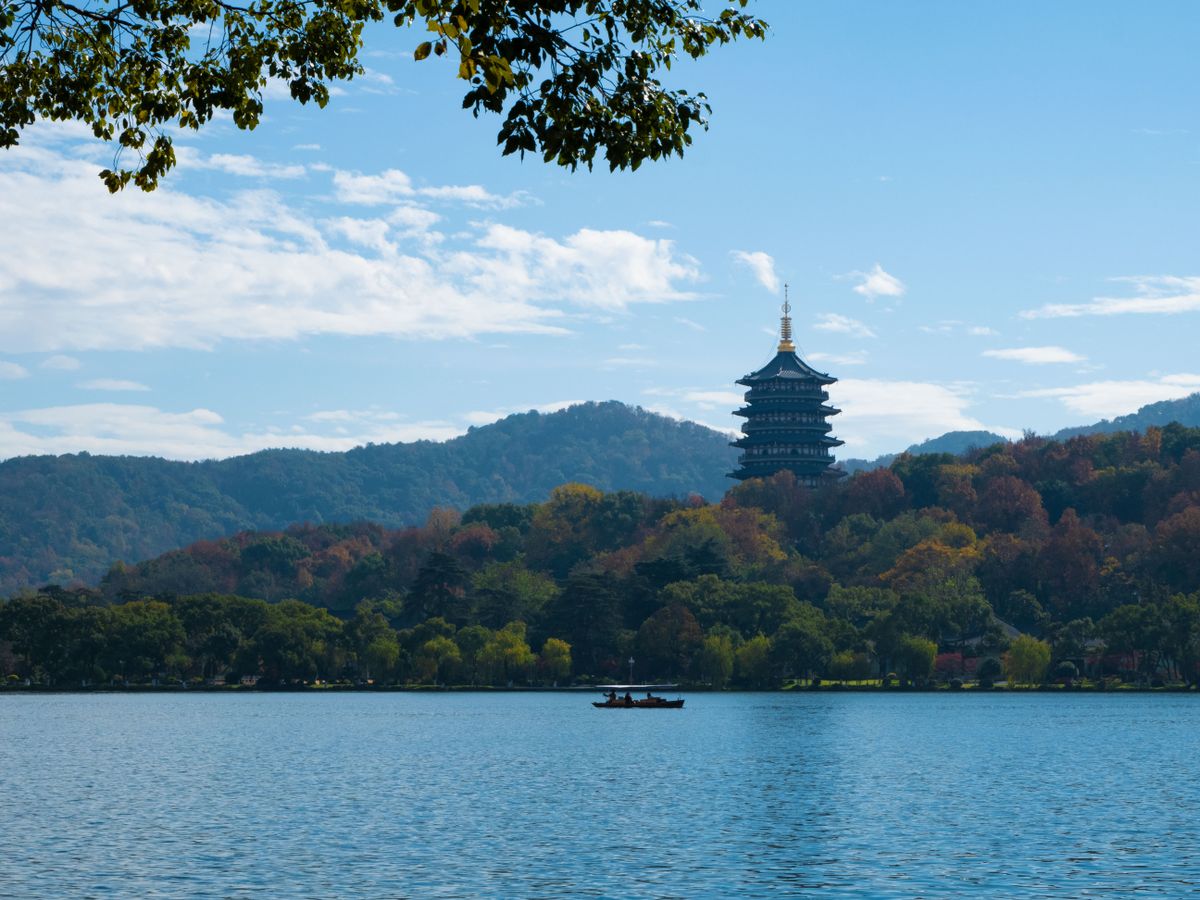
At the street's west end, paths climb Wu Hill (Wushan) to the City God Pavilion (Chenghuang Pavilion), the multi-storey tower you can see from the lakeshore. The climb takes about fifteen minutes through camphor trees; the pavilion charges its own modest admission if you want to go up for the rooftop-and-lake panorama. Going late afternoon, then coming down for the street's evening peak, is the tidy way to sequence it.
Getting there and when to go
The street itself is free and open around the clock; shops and stalls generally trade from about 9 am to 10 pm, with the atmosphere peaking after sunset when the lanterns come on. Metro Line 1 to Ding'an Road, Exit C, puts you about ten minutes' walk away, and a taxi from most West Lake hotels takes around fifteen minutes. Weekday evenings are comfortable; weekends and public holidays get shoulder-to-shoulder, so if your dates are flexible, avoid them.
Highlights
- Hangzhou's best-preserved old quarter, at the foot of Wu Hill
- Huqingyutang, a working Qing-dynasty medicine hall and museum since 1991
- Street snacks from dingsheng cakes to blown-sugar figures
- Time-honoured shops for tea, silk fans, scissors and seal carving
- The Drum Tower crossing with the Southern Song Imperial Street
- Evening lanterns and the City God Pavilion panorama above
Travel Tips
Step into Huqingyutang
The Qing courtyard pharmacy still fills herbal prescriptions; the museum side charges a small fee and is worth it for the interior alone.
Come hungry, buy tea carefully
Graze the stalls, where prices are posted, but buy Longjing tea in the calmer shops off the main drag, where quality is easier to judge.
Use the Imperial Street as an escape
When Hefang Street packs out, turn onto the quieter Southern Song Imperial Street by the Drum Tower, or climb Wu Hill for the view.